Researchers examined 701 donated brains (229 from people with prior joint replacements) and detected implant-derived metal particles, including cobalt and titanium, in multiple brain regions. Hip replacements were associated with an average 8.9% higher cobalt concentration, and higher cobalt correlated with greater Alzheimer’s-type protein buildup in the inferior-temporal cortex. The study found no link between joint replacement and measurable cognitive decline; researchers note the results are observational, based on a single postmortem snapshot, and call for further research.
Metal Debris From Joint Replacements Detected in Human Brains — Cobalt Linked to Alzheimer’s Protein Build-Up
(1439770371/iStock/Getty Images Plus)
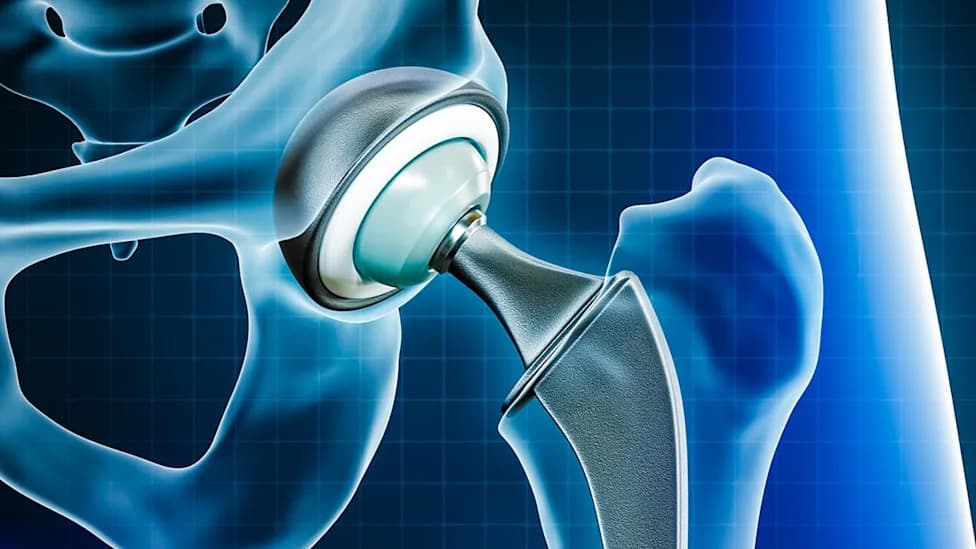
Chronic hip, knee or shoulder pain often leads to total joint replacement, a procedure that restores mobility and reduces pain. A new study from Rush University Medical Center, published in Acta Biomaterialia (2026), reports that microscopic metal particles originating from some implants can be detected in multiple regions of the human brain. While this raises questions about long-term effects, the researchers found no direct evidence that joint replacement causes measurable cognitive decline.
What the Study Did
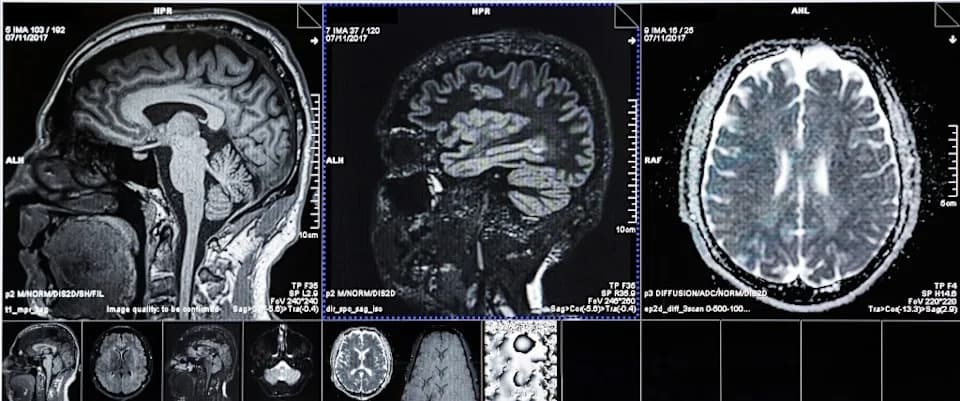
The team analyzed donated brains from 701 deceased participants, 229 of whom had undergone total joint replacement. They measured concentrations of several metals across four brain regions and used electron microscopy on a subset of samples to identify individual metal particles and their composition.
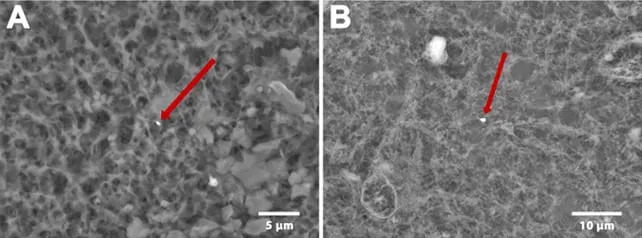
Evidence of metal particles in the brains of people with joint replacements. (Pourzal et al.,Acta Biomater., 2026)
Key Findings
Across the four brain regions studied, people who had hip replacements had on average an 8.9% higher concentration of cobalt. Electron microscopy and composition analysis showed particles with metal signatures that match common implant alloys, supporting the conclusion that some implant-derived debris can reach the brain.
"Total joint arthroplasty remains one of the most successful and life-changing interventions in modern medicine," said Robin Pourzal of Rush University Medical Center, adding that the results "suggest wear particles from the implant may travel beyond the joint and warrant further study."
Associations With Alzheimer’s Markers and Cognition
The researchers also measured classic Alzheimer’s disease markers (amyloid-beta and tau) and combined these data with cognitive testing performed during participants' lives. Higher brain cobalt concentrations were associated with greater Alzheimer’s-type protein accumulation in the inferior-temporal cortex even after adjusting for known risk factors. However, there was no observed correlation between metal concentrations and clinical cognitive decline in this cohort.
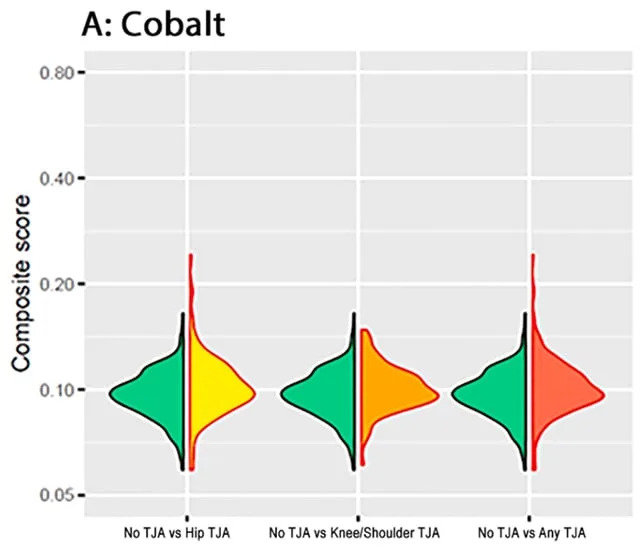
The clearest link was between cobalt levels in the brain and hip replacements. (Pourzal et al.,Acta Biomater., 2026)
The team found higher titanium levels in brains of people who had joint replacements; overall brain titanium was linked to poorer cognition, but titanium has many environmental and dietary sources, complicating interpretation.
Possible Mechanisms and Limitations
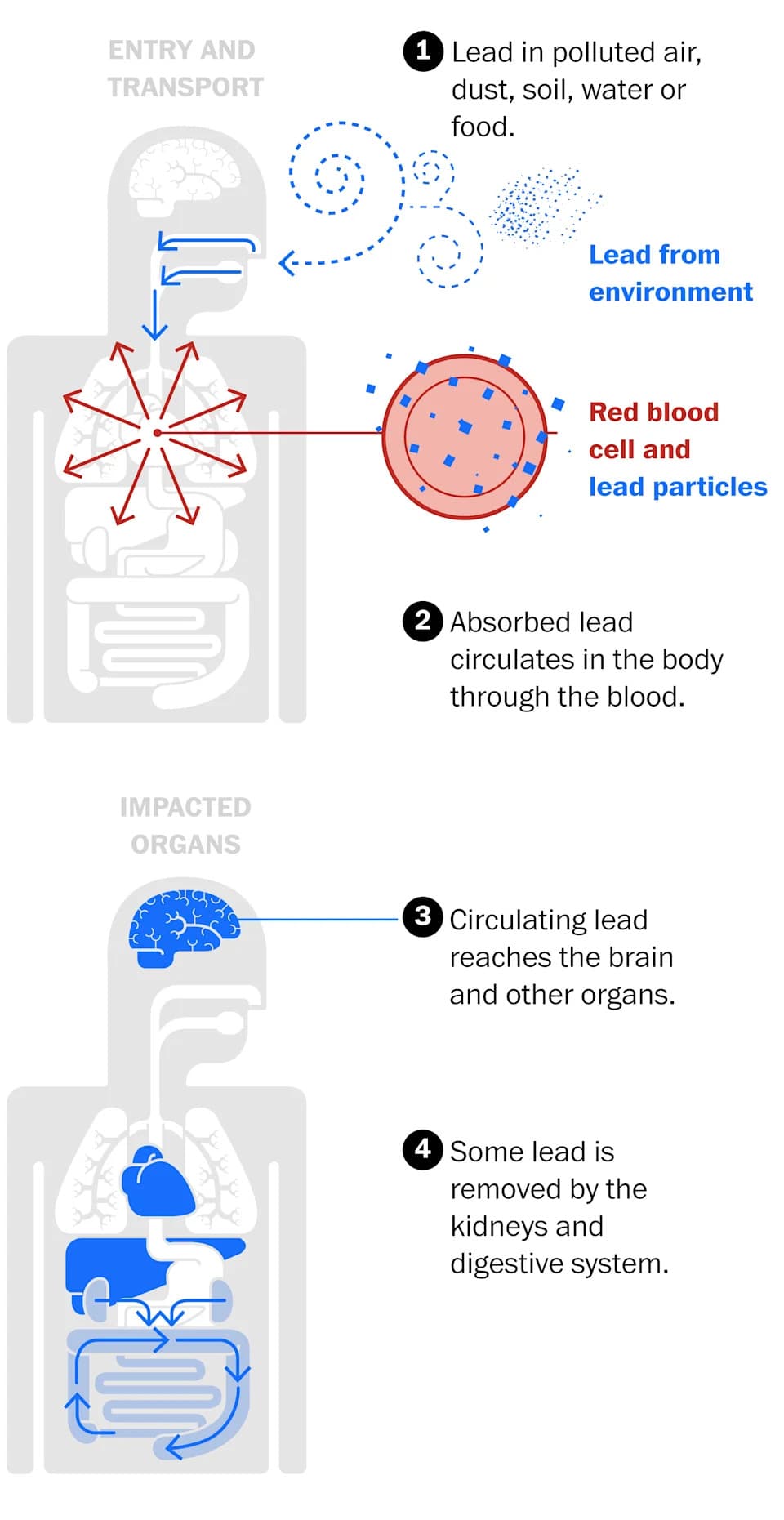
The study did not directly observe how particles cross into the brain. Possible pathways include age- or inflammation-related increases in blood–brain barrier permeability, or transport by peripheral immune cells. The authors emphasize that metal and neuropathology measures are a single postmortem snapshot and cannot establish causation. Other confounding factors could explain the observed associations.

Subscribe to ScienceAlert's free fact-checked newsletter
Clinical Context and Next Steps
The researchers stress that joint replacement relieves pain, improves mobility and promotes social engagement—factors that can reduce dementia risk. The new findings do not overturn the clinical benefits of arthroplasty but indicate a need for further research to confirm mechanisms, long-term consequences, and which implant types or conditions pose the greatest risk.
The full study is available in Acta Biomaterialia (2026).
Help us improve.