The first direct visual evidence of DNA–DNA recognition shows neighboring helices can align groove-to-groove, stabilized by divalent ions (Mg2+, Ca2+) that form molecular "bridges." The work supports a long-hypothesized "DNA zipper" model and identifies sequence "hotspots" that favor pairing. Findings clarify fundamental genome-organization mechanisms and could inform cancer biology and DNA nanotechnology, though clinical applications are likely years away.
Scientists Capture First Visual Proof Of DNA 'Zipper' — Possible Clues For Cancer Biology
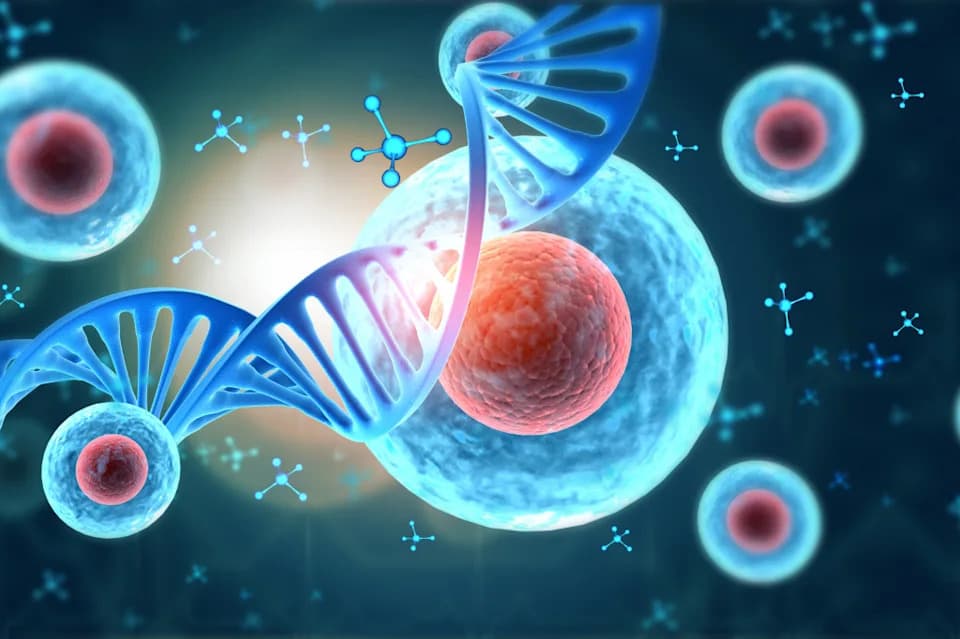
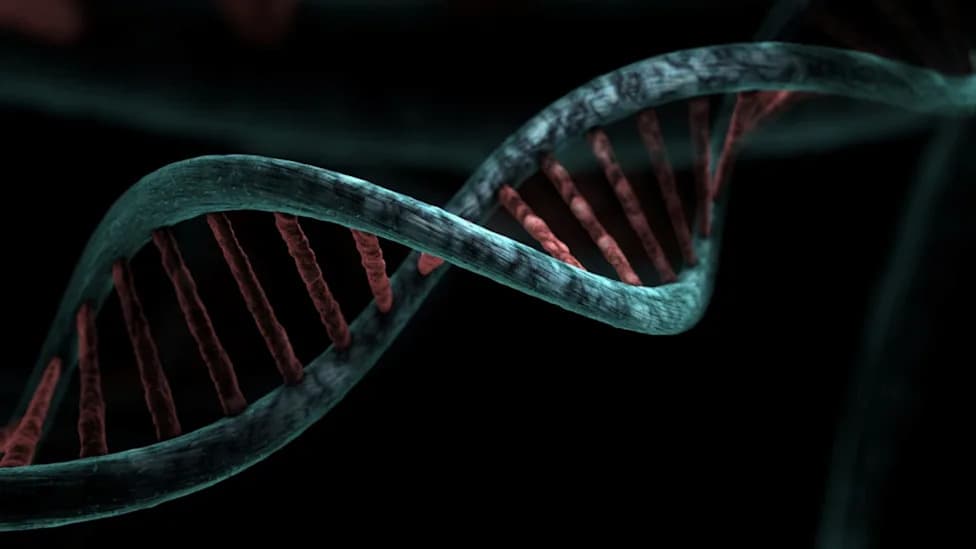
Human DNA strand with glowing cells and molecules on a scientific background representing genetics, biotechnology, molecular biology and medical research.
Researchers have produced the first direct visual evidence showing how separate DNA molecules align and interact — a discovery that clarifies a decades-old question and could be relevant to understanding some cancer-related processes.
The new study, published in Nucleic Acids Research, used high-resolution atomic force microscopy (AFM) together with advanced molecular dynamics simulations to visualize interactions between neighboring DNA helices at the nanoscale. These complementary techniques allowed the team to observe DNA–DNA pairing with an unprecedented level of detail.
Groove-to-Groove Alignment Stabilized By Ions
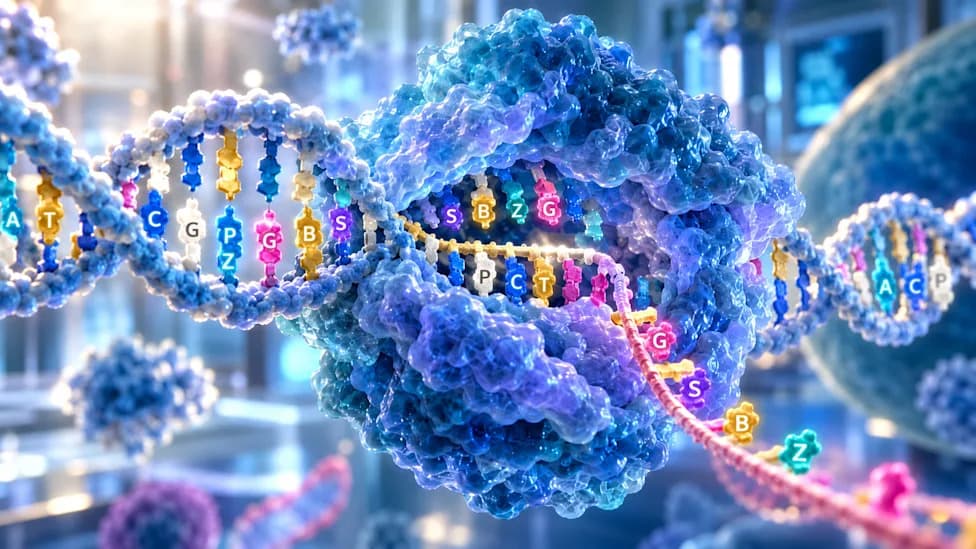
The researchers found that adjacent DNA molecules frequently adopt an ordered "groove-to-groove" alignment rather than associating randomly. Positively charged divalent ions — notably magnesium (Mg2+) and calcium (Ca2+) — form small, ion-mediated bridges between the negatively charged DNA backbones. These bridges act like molecular anchors, supporting a long-hypothesized "DNA zipper" mechanism in which ions help neighboring strands lock into register so matching genetic sequences can recognize one another more effectively.
Sequence Hotspots And Variable Stability
The paper identifies specific DNA sequence motifs that preferentially attract these ion bridges, creating local "hotspots" where pairing is more likely to initiate. The strength and precise locations of these interactions depend on the identity of the divalent ions present and on local sequence context. Once nucleated by ion-mediated contacts, sequence complementarity can help extend and stabilize pairing across longer genome stretches.
Dr. Thomas Catley, co-lead author (School of Chemical Materials and Biological Engineering, University of Sheffield), said: "By directly seeing this long-proposed mechanism for the first time, we've added a crucial piece to the puzzle of how DNA in our cells organizes itself, and where this might go wrong in cancer." He cautioned that translating fundamental findings into clinical applications will take years.
Why This Matters
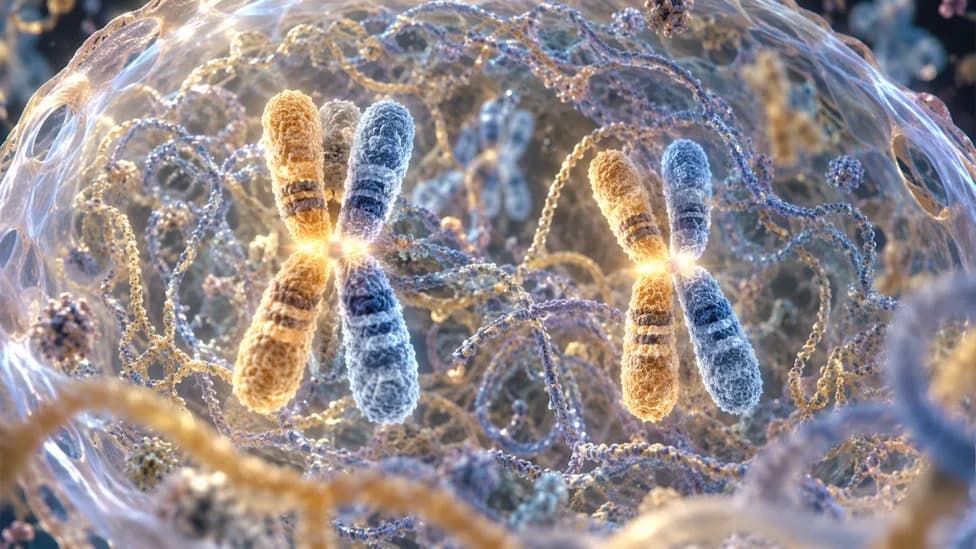
Understanding how DNA strands can recognize and pair with each other without protein assistance has broad implications. The mechanism may contribute to chromosome pairing, three-dimensional genome organization and regulatory events that can be relevant in cancer biology. Beyond fundamental biology, the findings could inform DNA-based nanotechnology — for example, the design of DNA origami structures for targeted drug delivery — although such applications remain speculative at this stage.
Study citation: Thomas E. Catley, Victor Velasco-Berrelleza, Daniel E. Rollins, Alice L. B. Pyne, Agnes Noy, "Imaging and mechanism of DNA–DNA recognition mediated by divalent ions," Nucleic Acids Research, Volume 54, Issue 16, 9 September 2026, gkag817. DOI: https://doi.org/10.1093/nar/gkag817.
Limitations and next steps: The observations were made in controlled experimental and simulation conditions; confirming how frequently and under what cellular conditions ion-mediated pairing occurs in living cells will require further biochemical and cell-based studies. The authors and independent researchers will need to test the phenomenon in diverse genomes and physiological ion environments before implications for disease and therapy can be established.
Help us improve.