Maurice Faulk has sued FanDuel, alleging the company used data-driven promotions and persistent push notifications to prompt betting at vulnerable times, including late at night and after big losses. The complaint says FanDuel tracked user behavior to deliver hyper-personalized ads and incorporated in-app casino features, microbets and VIP programs that amplified compulsive wagering. Faulk seeks a jury trial, injunctions and both compensatory and punitive damages, and raises claims including negligence and violations of Pennsylvania consumer protection law.
Pennsylvania Bettor Sues FanDuel, Says Late-Night Prompts and Data-Driven Promos Fueled His Gambling Problems
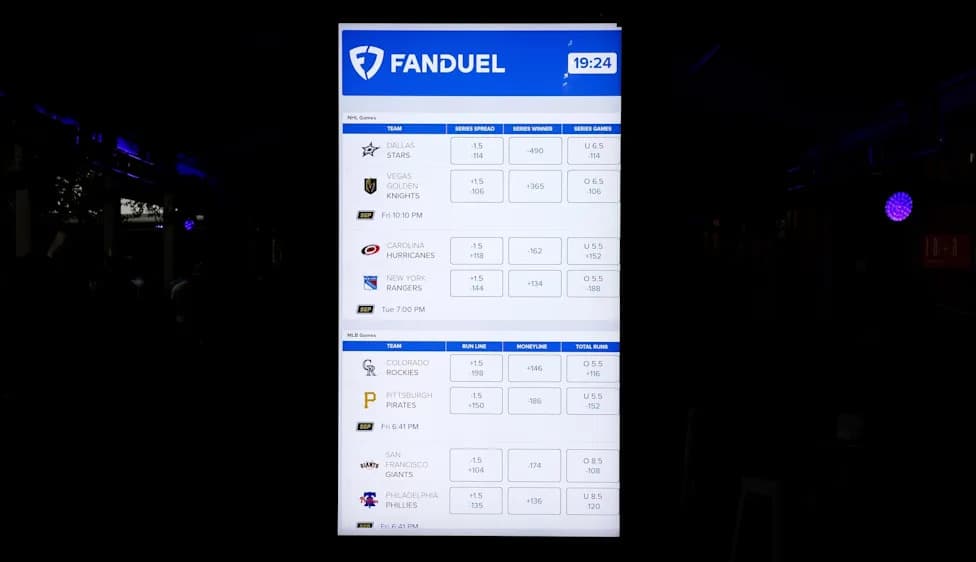
Photo Credit: Getty Images
Maurice Faulk, a Pennsylvania resident, has filed a civil lawsuit accusing FanDuel of using data-driven promotions and repeated in-app prompts to keep him betting at times when he was most vulnerable — including late at night and immediately after major losses.
What the Complaint Alleges
According to the complaint and reporting by Top Class Actions, Faulk says FanDuel engineered its sports-betting apps and related features to encourage compulsive wagering. He alleges the company tracked user behavior to build hyper-personalized algorithms that pushed targeted ads and push notifications at especially vulnerable moments, such as late-night hours or after significant losses.
Faulk also contends the problem extended beyond messaging. The suit points to niche in-game microbets, integrated casino-style games that accelerate play, VIP rewards programs, deposit bonuses and so-called "risk-free" bets as design choices that increased the risk of compulsive gambling and made it harder for users to stop.
“FanDuel also offers casino gaming within [its] sports gambling apps, encouraging users to utilize the casino games as 'instantaneous' gambling through methods such as virtual slots,” the filing says, per Top Class Actions.
Legal Claims and Relief Sought
The complaint seeks a jury trial and requests court declarations, injunctions, and both compensatory and punitive damages. Faulk brings multiple claims against FanDuel, including negligence, negligent design, failure to warn, breach of warranty, intentional misrepresentation, unjust enrichment, and alleged violations of Pennsylvania's consumer protection law. He says FanDuel's practices caused worsening betting problems, financial harm, and mental-health impacts including depression and anxiety.
Broader Context
Online sports betting became widely accessible after the U.S. Supreme Court struck down the Professional and Amateur Sports Protection Act (PASPA) in 2018, enabling real-time wagering via mobile apps. While operators market these services as entertainment, critics argue that certain design choices — nonstop advertising, fast-paced microbetting and personalized nudges — can be predatory and harmful to vulnerable users.
Faulk's complaint also notes that FanDuel's parent company has implemented harm-reduction measures in other jurisdictions following regulatory action in the United Kingdom in 2018, such as wager limits and deposit caps, suggesting the company knew of alternatives.
Why This Case Matters
The suit is part of a larger debate about whether convenience and personalization in digital betting cross the line into manipulation — particularly for people at risk of gambling addiction. Regulators, public-health advocates and lawmakers will likely watch the case for its potential implications on app design, advertising and consumer protections.
Sources: Complaint and reporting by Top Class Actions; references to U.S. Supreme Court PASPA decision (2018) and U.K. regulatory actions.
Help us improve.