Black man in Vancouver says he was falsely accused of phone theft, then struck by another man, and felt dismissed by police when he reported the assault. Officers told him they had no video evidence and referred to his account as "an allegation," prompting him to ask, "So my word doesn’t count?" They reportedly declined to check nearby surveillance cameras and said witnesses denied the attack. The exchange raised questions about evidentiary standards and whether race influenced the response.
“So My Word Doesn’t Count?” — Vancouver Man Says Police Dismissed His Assault Report After False Phone-Theft Claim
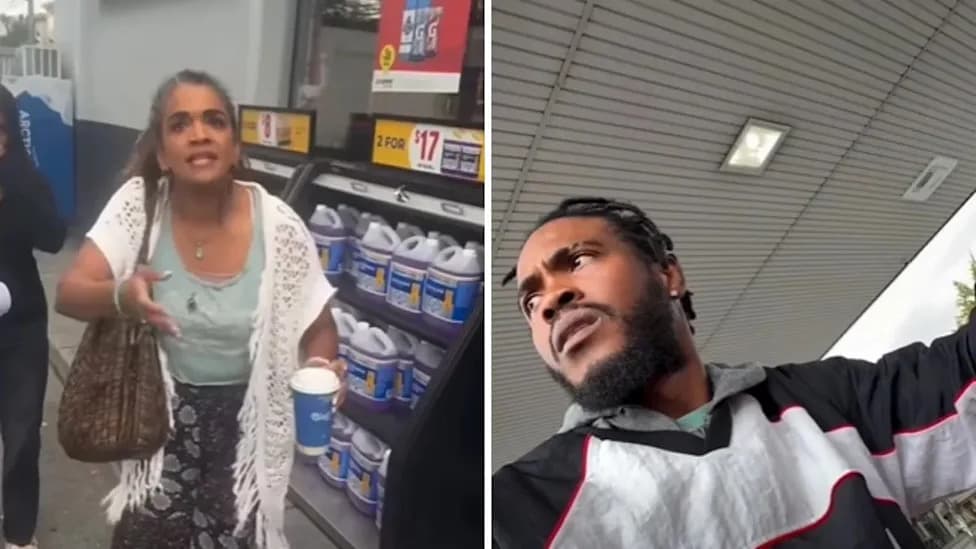
Featured Image: Screenshot via ATLBlackStar/Facebook
Summary: A Black man in Vancouver identified as Dhextrus says he was falsely accused of stealing a phone and then struck by another man. When he reported the alleged assault, officers told him they had no video evidence and described his account as "an allegation," prompting him to ask, "So my word doesn’t count?" The exchange raised questions about evidentiary standards and potential racial bias in how his complaint was handled.
What Happened
According to reports, the incident began outside a convenience-store gas station in Vancouver, where a woman accused Dhextrus of stealing her phone. He says the theft claim was false. After the accusation, an unidentified man — described in reports as South Asian — allegedly struck Dhextrus, hitting his arm so hard that he later said he lost feeling in it.
Police Response
At least four officers responded to the scene after Dhextrus called to report the assault. While the phone-theft accusation was dismissed, Dhextrus says officers declined to pursue his allegation of being struck, saying they had no video evidence.
In a video of the encounter, Dhextrus asked an officer: "So my word doesn’t count?"
The supervising officer replied: "It doesn’t count for evidence, no. It would count as backing if we had some video evidence of it, for sure. But we don’t…so it’s an allegation."
Witnesses, Surveillance and Contradictions
Dhextrus asked officers to check security footage from nearby businesses; the officers reportedly declined. They later told him that third-party witnesses had said the assault did not occur. Viewers and commenters pointed out an apparent contradiction: if Dhextrus’s account was insufficient because it was "just his word," why were other witnesses’ statements apparently being taken as evidence?
Concerns About Race and Fairness
Dhextrus said he believed race affected how police handled his complaint. He told the supervising officer he felt he would have been treated differently if he were white or of another background. The officer responded by noting he had been "yelled at by another Black person and a South Asian person." The exchange ended with Dhextrus insisting he was upset, not yelling, and saying the situation was unfair.
Legal Context
Under Canadian law, private citizens do not decide whether criminal charges are laid. Video is not a legal requirement for an assault investigation or for charges to proceed; witness testimony and other evidence can be admissible. The available clips do not explain the officers’ full reasoning, so they do not establish definitively why the assault allegation was not pursued.
Next Steps and Public Reaction
Viewers encouraged Dhextrus to file a formal police report and request any available surveillance footage. The incident has prompted broader discussion about how police evaluate complaints, what qualifies as evidence, and whether people from some racial groups are treated with more skepticism during encounters with law enforcement.
Takeaway
The case highlights tensions between evidentiary standards, officer discretion and public perceptions of fairness. While video can be decisive, it is not the only form of evidence available — yet in this instance, the refusal to review potential footage and the reliance on unnamed third-party statements left unresolved questions about how the complaint was handled.
Help us improve.