The capital Kinshasa has enlisted former gang members as a paramilitary "National Service" to clear widespread rubbish, delivering visible short-term improvements in some neighbourhoods. However, residents and social media footage have accused the crews of beatings, forced labour and heavy-handed enforcement. Experts warn the operation displaces waste without treatment, highlights weak sanitation infrastructure and raises political and human-rights concerns should the force be used amid rising tensions.
Ex-Gang Members Deployed To Clean Kinshasa: Improved Streets, Rising Allegations Of Abuse
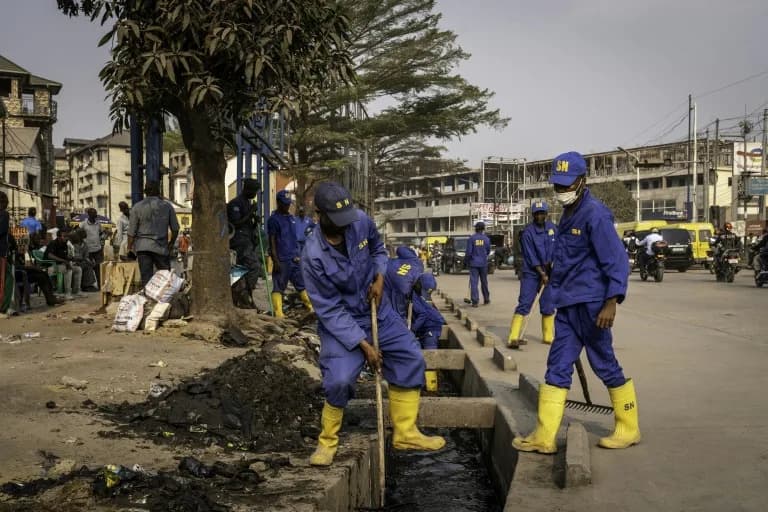
The recruits, nicknamed 'builders,' appeared on the streets in June (GLODY MURHABAZI)
Brooms in hand and faces inked with tattoos, crews of former gang members have been clearing mountains of rubbish that clogged major boulevards in central Kinshasa. Since June, the recruits — nicknamed "builders" — have worked in blue overalls and yellow boots as part of a paramilitary National Service drive ordered by President Felix Tshisekedi to tackle the city's severe sanitation problems.
Cleanup Gains and Local Praise
Residents in areas such as Victory Roundabout have welcomed cleaner streets. "Today the city has become clean, and that makes us extremely happy," said Richard Edambe, a resident near the roundabout where roughly 50 builders were operating. Motorcycle taxi driver Auguy Bayaya said the intervention improved local conditions: "Plastic bags and bottles were everywhere, the drains were blocked and we could barely breathe properly. Fortunately, the builders came and restored discipline."
Allegations Of Violence And Forced Labour
Alongside praise, the operation has sparked serious accusations. Multiple videos circulating on social media show alleged beatings, forced labour and other heavy-handed tactics by the crews. An AFP correspondent witnessed an incident in the Bandalungwa neighbourhood in which a passerby who refused to sweep alongside the builders was struck several times with sticks.
"When the builders arrive, people are afraid to throw rubbish away," said local Kevin Mwembwe, reflecting concern that enforcement has relied on intimidation.
Who Are The Builders?
The National Service is a military-run structure created in 1997 and placed under the presidency. Its recruitment and pay practices are opaque. Officials say part of the unit's remit is to reintegrate notorious "kulunas" — youth gang members who have terrorised parts of Kinshasa — through "military, technical and civic" training. Critics, however, say some recruits were funneled into the force without formal judicial processing, and allege nepotism and tribal favouritism in recruitment.
Sanitation Challenges Beyond Street Sweeping
Experts warn that the operation addresses visible mess without solving deeper problems. Albert Malukisa of the Ebuteli think tank says crews are merely "moving the problem elsewhere" because Kinshasa lacks treatment centres and coherent waste-management policy. Urban sanitation specialist Eric Ndilu noted that vendors and informal markets are simply displaced, and that cleaning needs sustained infrastructure: connected public bins, waste collection, and treatment facilities — all of which require funding and long-term planning.
Political Risks And Human Rights Concerns
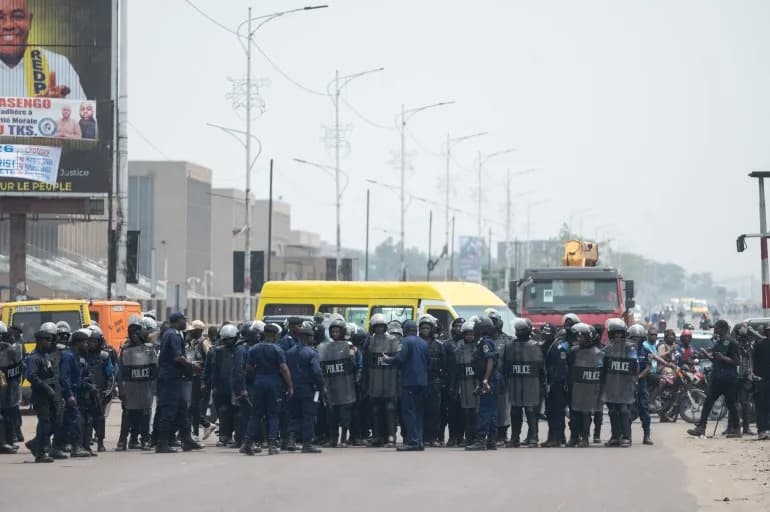
Observers worry the expanding presence of a paramilitary force on Kinshasa's streets could be politicised. With opposition plans to protest a proposed constitutional change that could allow a third presidential term for Tshisekedi, analysts say authorities might lean on the National Service if police are overwhelmed. Human-rights and prisoners' advocates have also flagged the lack of transparency around recruitment and the potential for rights abuses.
National Service officials did not respond to requests for comment. The intervention has improved visible sanitation in some areas but raised pressing questions about legality, accountability and whether the measures will bring durable public-health gains.
Reporting based on accounts from residents, experts and AFP reporting.
Help us improve.