Students at King George Middle School followed district rules to form a Gay–Straight Alliance, but after a conservative social media backlash the club was paused and the school board amended policy to bar middle-school noncurricular groups. Two students and their families sued under the First Amendment and the Equal Access Act. A settlement disclosed by a federal judge preceded a unanimous Sept. 11 board vote restoring "secondary" students' eligibility to form noncurricular clubs, though new rules now require written parental permission and annual verification.
Virginia School Board Reverses Ban After Middle School LGBTQ+ Students Sue — Policy Restored With Parental-Consent Conditions
king george county school board
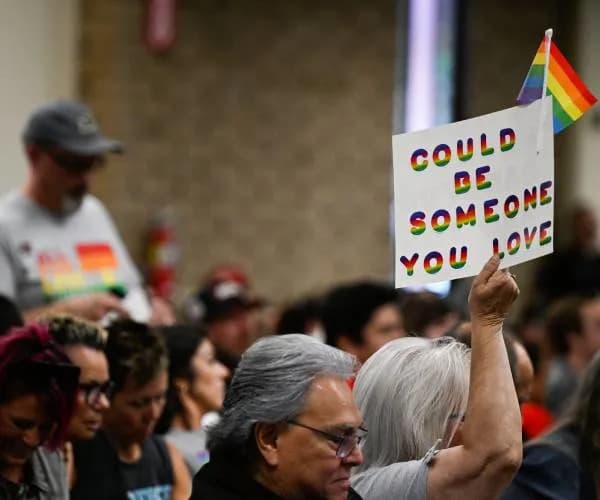
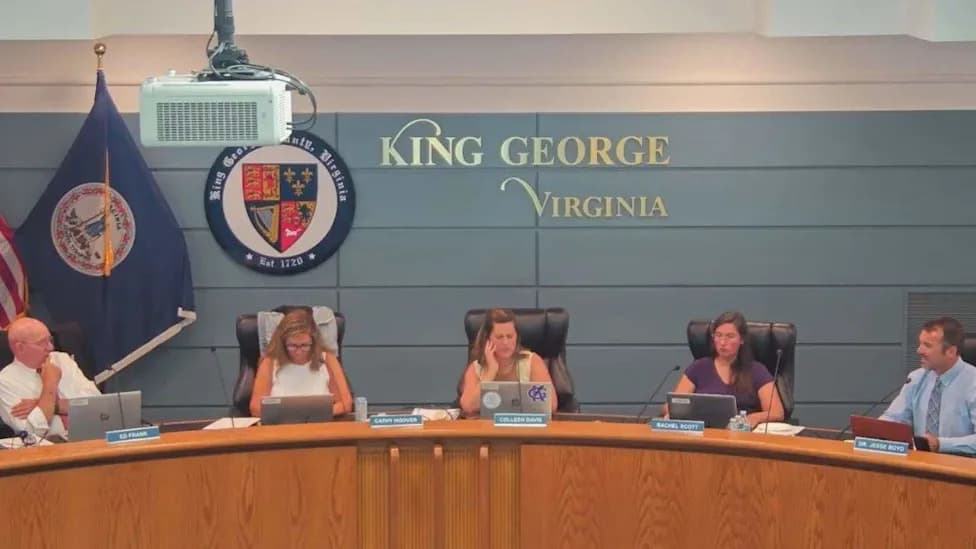
Students at King George Middle School who followed district procedures to form a Gay–Straight Alliance were initially approved, then blocked after a conservative backlash on social media. That pause led two middle school students and their families to file suit in federal court alleging violations of the First Amendment and the federal Equal Access Act. After a settlement was disclosed in early September, the King George County School Board voted unanimously on Sept. 11 to restore middle-school eligibility for noncurricular student groups — while adding parental-permission requirements.
What Happened
In August 2025 a seventh grader identified in court records as Z.J.W. began organizing a Gay–Straight Alliance (GSA). A teacher agreed to sponsor the club, Principal Casey Nice initially approved it, and 17 students expressed interest within days after information briefly appeared on the school's Canvas platform.
When materials about the club circulated on Facebook, conservative community members targeted the faculty sponsor with doxxing and demands for dismissal. School administrators placed the GSA "on pause," and the school board later revised policy to limit noncurricular organizations to King George High School.
Legal Challenge And Settlement
Two students and their families sued the King George County School Board, Superintendent Jesse Boyd, and Principal Nice, arguing the district violated their First Amendment rights and the Equal Access Act by blocking the GSA while allowing other student organizations to continue.
Senior U.S. District Judge Robert E. Payne issued a Sept. 4 order stating the parties had reached a settlement, staying discovery deadlines. Payne had earlier set an expedited bench trial for Oct. 27 to resolve the merits of the students' claims and their request for a permanent injunction. The one-page settlement order does not disclose the settlement's terms or whether it required the policy reversal.
Policy Reversal And New Requirements
On Sept. 11 the board unanimously voted to restore the ability of "secondary school students" to form and meet as noncurricular groups, removing language adopted the previous November that had restricted such groups to the high school. The change reinstates middle-school eligibility but does not automatically revive the GSA.
The revised regulation requires written parental permission for students to form or join noncurricular organizations. Groups seeking to continue in subsequent years must submit a membership list and proof that every participating student has parental approval. It remains unclear whether the original GSA organizers must reapply, when meetings may resume, or whether the settlement includes protections against selective enforcement of the new rules.
Legal Context
The Equal Access Act and U.S. Supreme Court precedent in Board of Education v. Mergens require federally funded public secondary schools that permit noncurricular clubs to give equal access to other student groups regardless of message. Federal courts have applied those protections to GSAs in multiple jurisdictions, including rulings for students in California, Kentucky, and a 2016 federal appeals decision covering a Florida middle school.
Reaction And Outstanding Questions
School officials framed the rule change as emphasizing "family involvement, prioritizing transparency, and fostering direct communication between school and home." Board member Ed Frank said the board aimed to balance student safety and "age appropriateness." In internal emails filed in court, Principal Nice acknowledged she expected pushback yet said she had not anticipated the intensity of the social media response.
"I understood that there would be some negative response from the community when I approved the formation of this club, but I never dreamed it would reach the levels we saw on social media," Principal Casey Nice wrote in an email.
Advocates, the students' attorneys, and local reporters have asked whether the settlement protects students and staff from harassment and whether district officials will prevent public outrage on social platforms from dictating policy in the future. The board and county supervisors had not provided additional comment when contacted for this story.
Note: This article summarizes reporting by The Advocate and the Fredericksburg Free Press. The settlement's specific terms were not made public in court filings.
Help us improve.