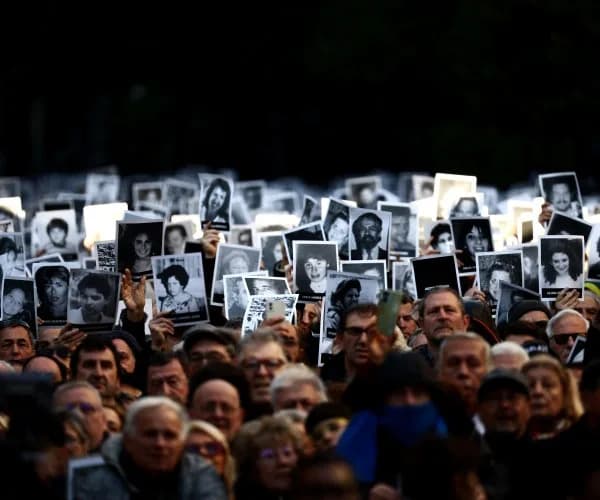
Rudy Giuliani told Newsmax that New Yorkers have "forgotten" what Sept. 11 meant after electing Zohran Mamdani, whom he labeled a "radical Muslim" without offering evidence. Mamdani — who was nine on 9/11 and has condemned the attacks — attended the 25th-anniversary ceremony and shook Giuliani's hand. Giuliani also accused Mamdani's father of supporting extremism, a claim scholars say is unsupported; civil-rights groups called Giuliani's remarks anti-Muslim.
Giuliani Says New Yorkers Have "Forgotten" 9/11, Calls Mayor Mamdani a "Radical Muslim" — Claims Unproven
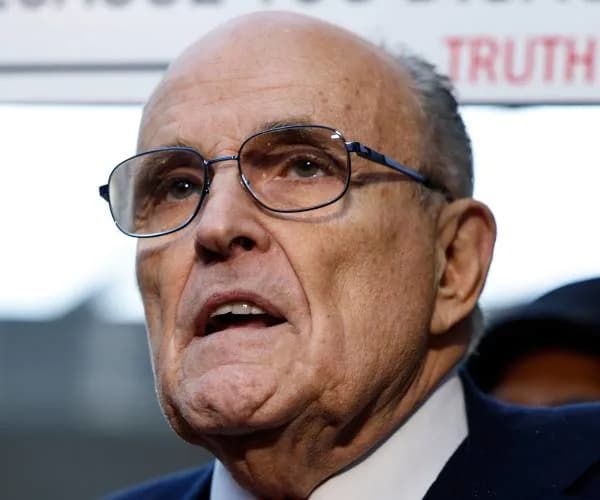
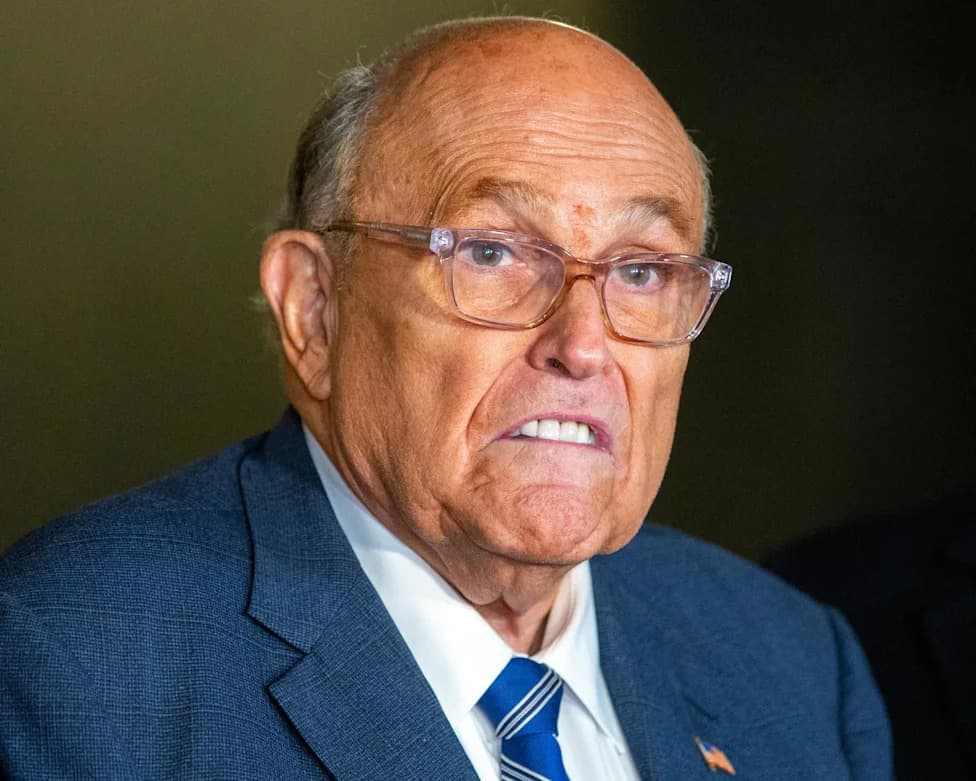
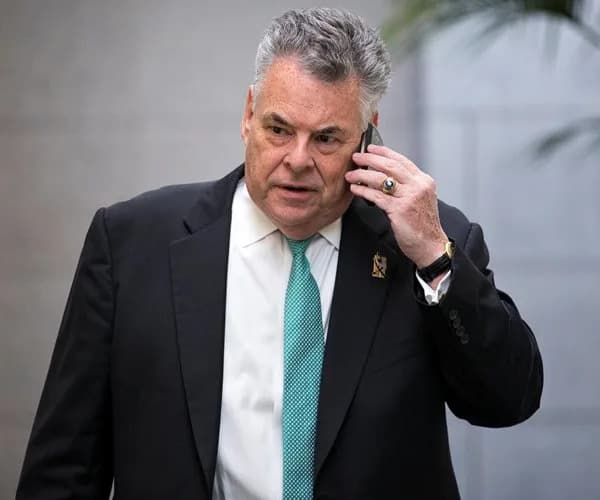
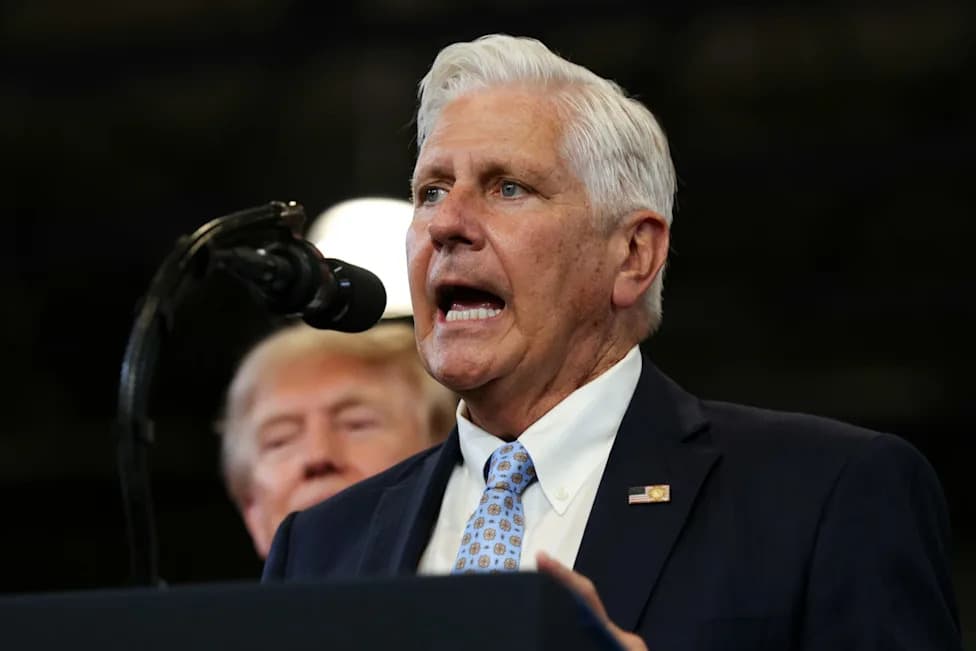
Former New York City Mayor Rudy Giuliani (Getty)
Former New York City Mayor Rudy Giuliani told Newsmax that voters have "forgotten" the meaning of Sept. 11 after electing Zohran Mamdani, whom Giuliani repeatedly labeled a "radical Muslim" and accused of supporting extremists. Giuliani made the remarks on Rob Finnerty's program as the city marked the 25th anniversary of the 2001 attacks.
Giuliani, who was mayor on Sept. 11, 2001, said "large segments of New York City have forgotten" what the attacks represented and called Mamdani's election "very, very odd." He described his criticism as aimed at a faction of Islam that he asserted had carried out sustained violence, but he did not present evidence tying Mayor Mamdani to Islamist extremism.
Responses From Mayor Mamdani And Others
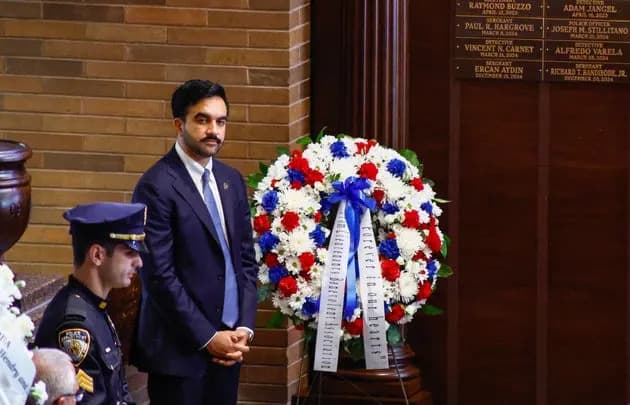
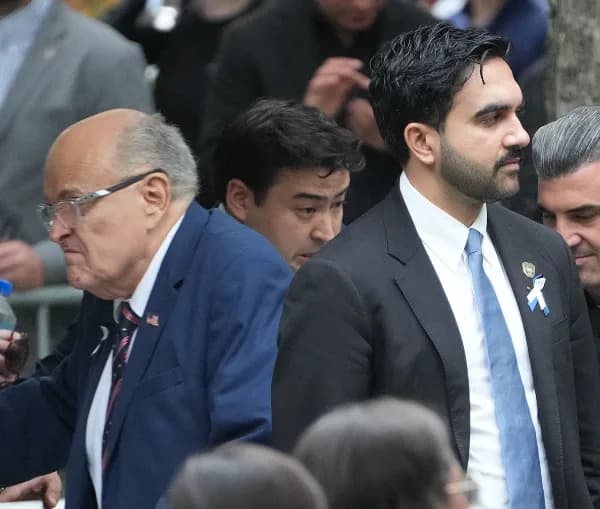
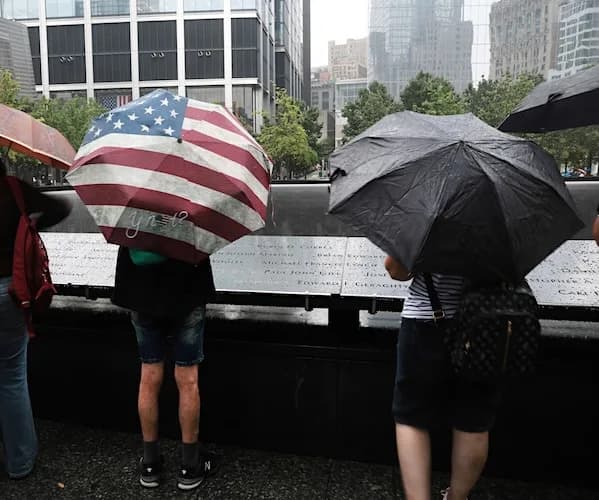
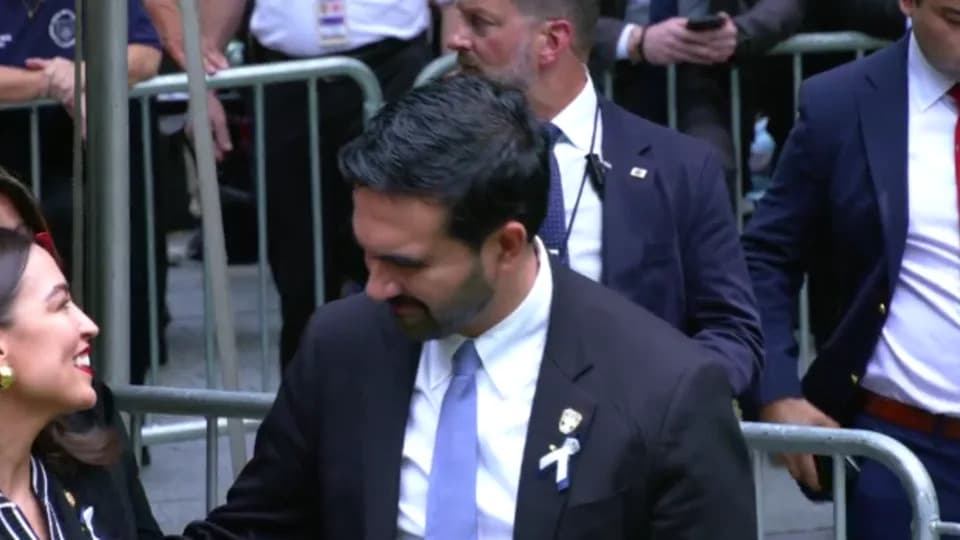
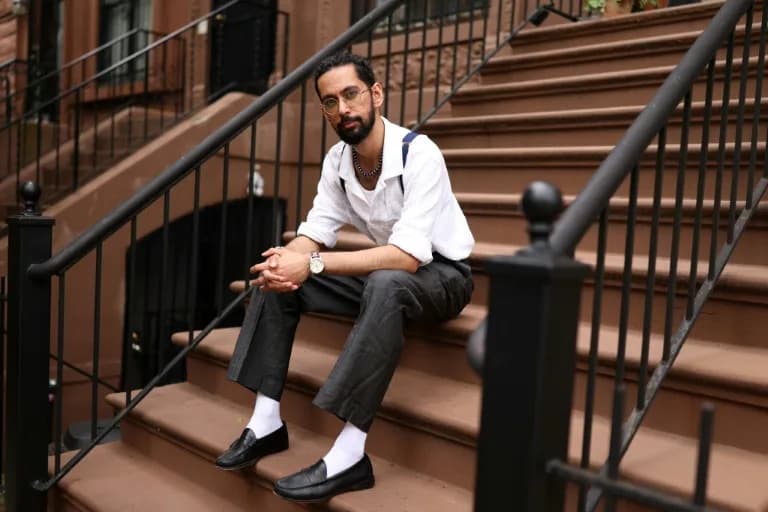
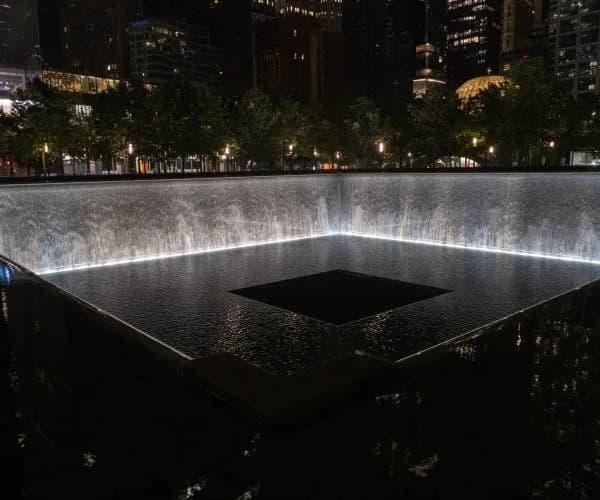
Zohran Mamdani, New York City's first Muslim mayor, has publicly said, "I love this country," and described the Sept. 11 attacks as a "horrific act of terror." Mamdani was nine years old and attending school on the Upper West Side on Sept. 11, 2001. He attended the 25th-anniversary ceremony at Ground Zero and shook Giuliani's hand before the reading of victims' names.
Giuliani also accused Mamdani's father, Columbia University anthropologist Mahmood Mamdani, of supporting Muslim extremism. He offered no supporting evidence for that claim; scholars quoted in Forbes and other outlets say Mahmood Mamdani's work analyzes terrorism and political violence rather than advocating it.
Controversial Remarks And Reaction
On air, Giuliani made sweeping statements about Muslims, saying "hundreds of millions of Muslims are murderers" who "want to murder us." The Council on American-Islamic Relations (CAIR) characterized Giuliani's comments as anti-Muslim. Critics and civil-rights groups said such rhetoric risks stigmatizing entire communities without evidence.
Giuliani urged Mayor Mamdani to skip the memorial ceremony, echoing a petition by 9/11 widower Giovanni Galante that drew more than 100,000 signatures. Some critics also pointed to Mamdani's appointment of chief counsel Ramzi Kassem, who previously represented Guantanamo detainee Ahmed al-Darbi; al-Darbi pleaded guilty to charges related to a 2002 attack on a French oil tanker.
Giuliani contrasted his approach after 9/11 — including rejecting a $10 million donation from Saudi Prince Alwaleed bin Talal following controversial comments by the prince — with what he framed as Mamdani's politics. Many of Giuliani's allegations about ties to extremism remain unsubstantiated in public reporting.
Why This Matters
The exchange highlights tensions over how public officials discuss terrorism, religion and memory on solemn anniversaries. Observers say balancing scrutiny of public officials with a responsibility to avoid sweeping, unverified claims about religious or ethnic groups is essential to public discourse.
Note: This article reports on statements made on a public broadcast and the responses they prompted. Where claims about individuals' support for extremism are noted, the article also makes clear when no evidence has been presented publicly.
Help us improve.