Betty Ong, a 14-year American Airlines flight attendant, made a calm 23-minute call on Sept. 11, 2001 that provided the first clear notification to ground personnel that Flight 11 was being hijacked. Her precise updates helped trigger the nationwide grounding of aircraft and informed authorities as the attack unfolded. Fellow attendant Madeline “Amy” Sweeney also relayed critical details; both women’s actions reshaped aviation security and remain widely honored within the industry.
Betty Ong — The Unsung 9/11 Hero Whose 23-Minute Call Warned the Ground
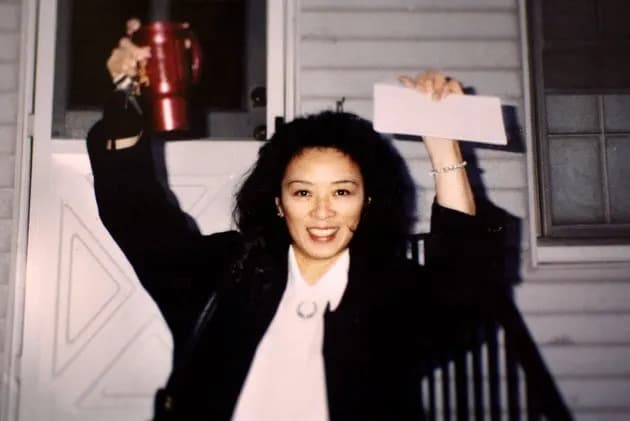
Betty Ong's cool, calm23-minute phone callfrom the back of the aircraft on Sept. 11, 2001, provided the very first alert to ground personnel that a hijacking was underway and contributed to the eventual shutdown of U.S. airspace. San Francisco Chronicle/Hearst Newspapers via Getty Images
On the morning of September 11, 2001, Betty Ong, a 14-year veteran flight attendant on American Airlines Flight 11, remained composed as the aircraft around her was seized by hijackers. Twenty minutes after the flight left Boston Logan Airport bound for Los Angeles, Ong placed a 23-minute call to American Airlines that provided the first clear, real-time report of a hijacking to ground personnel.
Her Call and What It Revealed
During the call Ong calmly described the unfolding situation: the cockpit was not answering, passengers and crew had been stabbed or otherwise injured, and the cabin was being filled with irritants. Her clear, factual updates — relayed while the crew and passengers were under attack — helped alert airline and government officials and contributed to the decision to ground U.S. air traffic that morning.
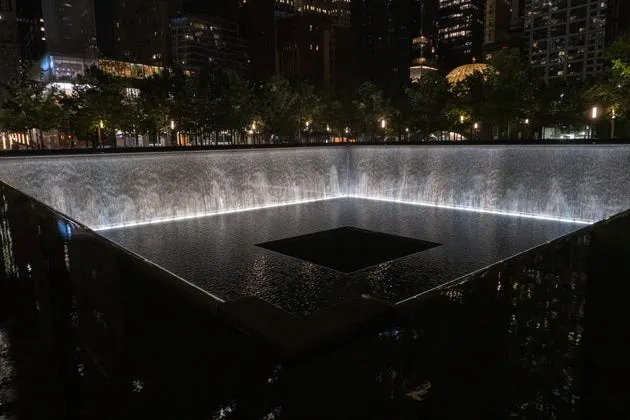
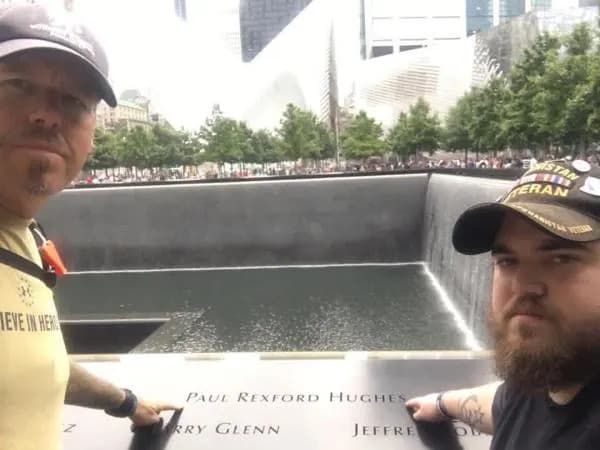
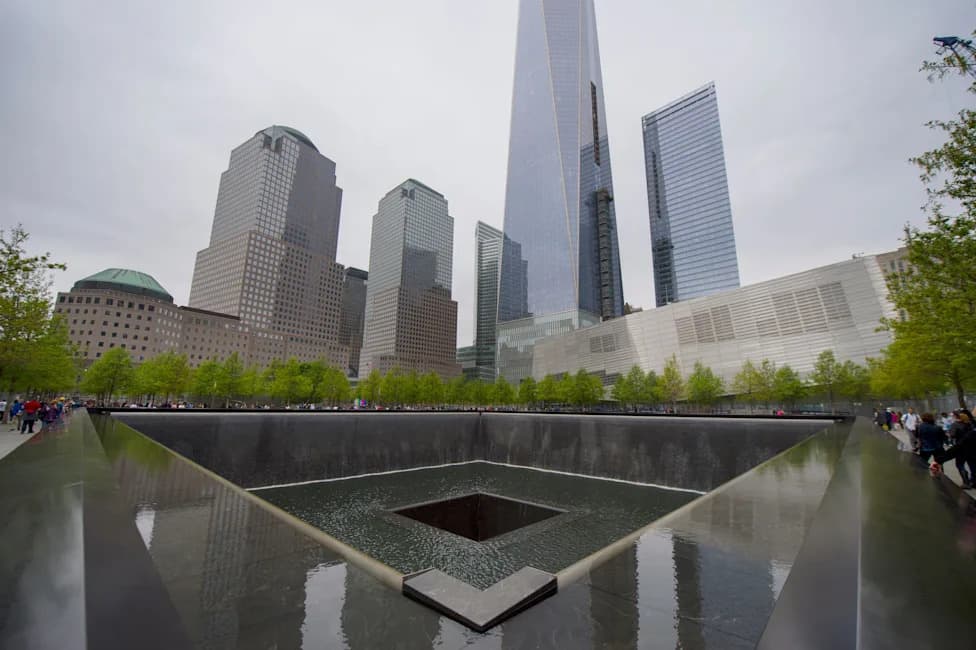
One of the 9/11 Memorial reflecting pools stands at the 9/11 Memorial Museum as the museum prepares to mark the 25th anniversary of the Sept. 11, 2001, terrorist attacks on Sept. 2, 2026, in New York City. Spencer Platt via Getty Images
“The cockpit is not answering. Somebody's stabbed in business class and, um, I think there's Mace, and we can't breathe,”
Other Crew Actions and Official Recognition
Fellow Flight 11 attendant Madeline “Amy” Sweeney also relayed crucial information to her supervisor that aided identification of the hijackers; however, no public audio of her call exists. In 2004, a four-minute excerpt of Ong’s call was played during testimony before the 9/11 Commission, which recognized her courage and credited her professionalism with helping to save lives.
How It Changed Aviation
The attacks of Sept. 11 forced a fundamental rethinking of cabin security and crew training. Before that day, hijacking protocols emphasized de-escalation and cooperation under the expectation that a hijacked plane would land and negotiators would intervene. After the attacks, regulators and airlines implemented sweeping changes — including hardened cockpit doors and stricter access controls — to prevent unauthorized entry to flight decks and better protect crews and passengers.
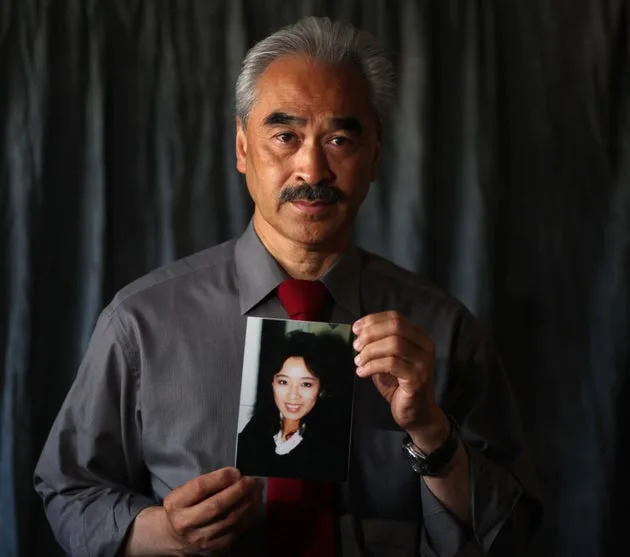
Harry Ong, brother of Betty Ong, who was a flight attendant on Flight 11 on Sept. 11, 2001, holds a portrait of his sister, Betty Ong, at his home on Tuesday, Sept. 6, 2011, in San Francisco, California. San Francisco Chronicle/Hearst Newspapers via Getty Images
Legacy and Remembrance
Ong, 45 at the time of her death aboard Flight 11, had volunteered for the flight so she could return to Los Angeles en route to a planned vacation. Her family and the aviation community have kept her memory alive: a recreation center in San Francisco bears her name, the city observes “Betty Ong Day” on Sept. 21, and colleagues continually cite her example of professionalism. In February 2002, Massachusetts created the Madeline Amy Sweeney Award for Civilian Bravery to honor Sweeney’s legacy.
Some of Ong’s remains were recovered from Ground Zero in March 2002 and were identified; she was cremated and her ashes were entombed at Cypress Lawn Memorial Park in Colma, California. Five months later, part of Sweeney’s remains was returned to her family and buried at Mount Hope Cemetery in Acton, Massachusetts. The Sept. 11 attacks claimed 2,977 lives at the World Trade Center, the Pentagon and in Somerset County, Pennsylvania.
What Flight Crews Remember
Today, flight attendants and aviation professionals still cite Ong and Sweeney as models of training and courage under pressure. As Julie Hedrick, national president of the Association of Professional Flight Attendants, put it: flight attendants are safety professionals and first responders at 35,000 feet, and the actions of that day reshaped how crews are prepared for worst-case scenarios.
Help us improve.