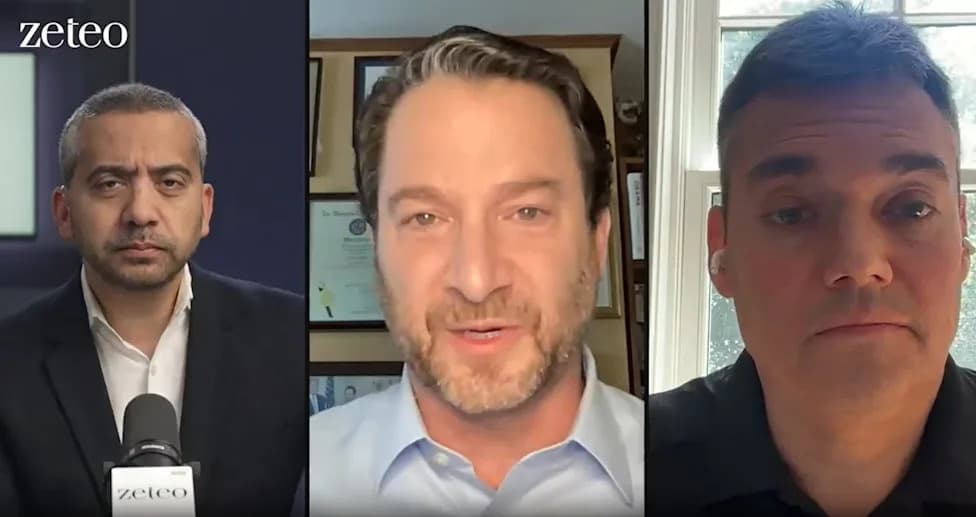
Joel Rubin, Bernie Sanders’s 2020 campaign Jewish outreach director, told Mehdi Hasan and Peter Beinart he believes Sanders and elements of the left are contributing to rising antisemitism. Rubin said his concern began when he felt the campaign dismissed a volunteer’s visible Nazi tattoo and grew from comments he interprets as excluding supporters of Israel from progressive politics. He pushed back against critics online and framed his warnings as a call for inclusion of Jewish Americans in the Democratic Party. The exchange underscores tensions over where to draw the line between criticism of Israel and antisemitic rhetoric.
Former Sanders Jewish Outreach Director Says Sanders’ Circle Is Fueling Antisemitism — Rubin Calls For Inclusion
Screenshot via social media
Joel Rubin, who served as Bernie Sanders’s Jewish outreach director during the 2020 campaign, told Mehdi Hasan and Peter Beinart this week that he believes Senator Sanders (I‑Vt.) and elements of the left are contributing to rising antisemitism in the United States.
Key Exchange On-Air
During the Wednesday debate, Rubin said the moment that first alarmed him came when, in his view, Sanders’s team brushed off concerns about a campaign volunteer, Graham Platner, who displayed a visible Nazi tattoo. Rubin described the response as a crossing of a line:
“When Bernie Sanders and his team said, ‘Hey, that Graham Platner guy — that Nazi tattoo on his chest, no problem, we’re just going to ignore it,’ the Squirrel Hill Jew in me said, ‘That is a bridge too far.’”
Why Rubin Says This Matters
Rubin linked his reaction to his personal history: he is a fifth‑generation American from Squirrel Hill, Pittsburgh — the neighborhood that suffered the deadliest attack on Jews in U.S. history. He said that background makes him particularly sensitive to rhetoric and actions that he believes delegitimize Jewish feelings or normalize hostility toward Jews.
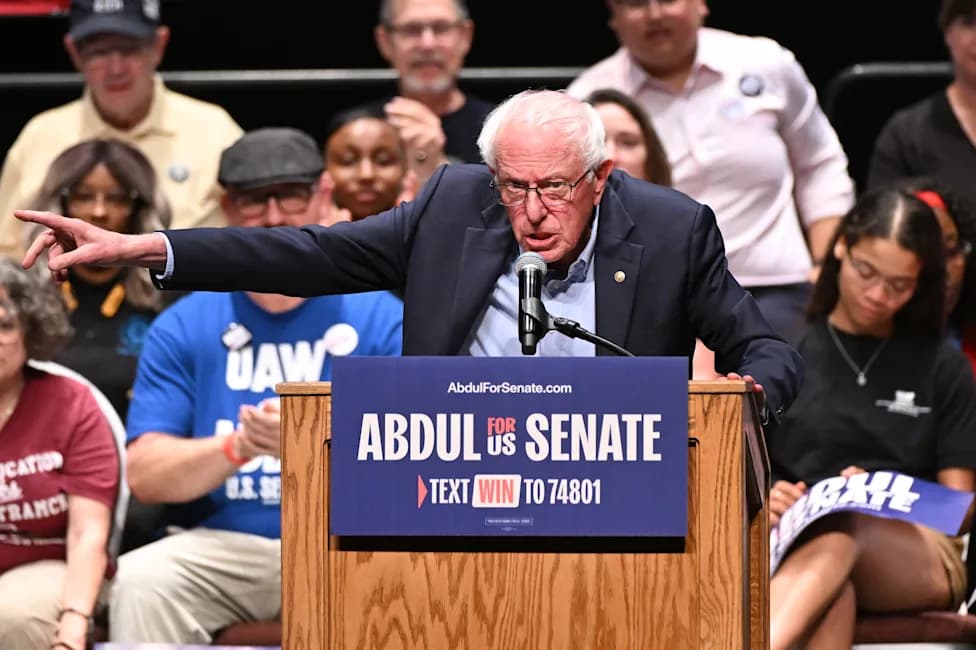
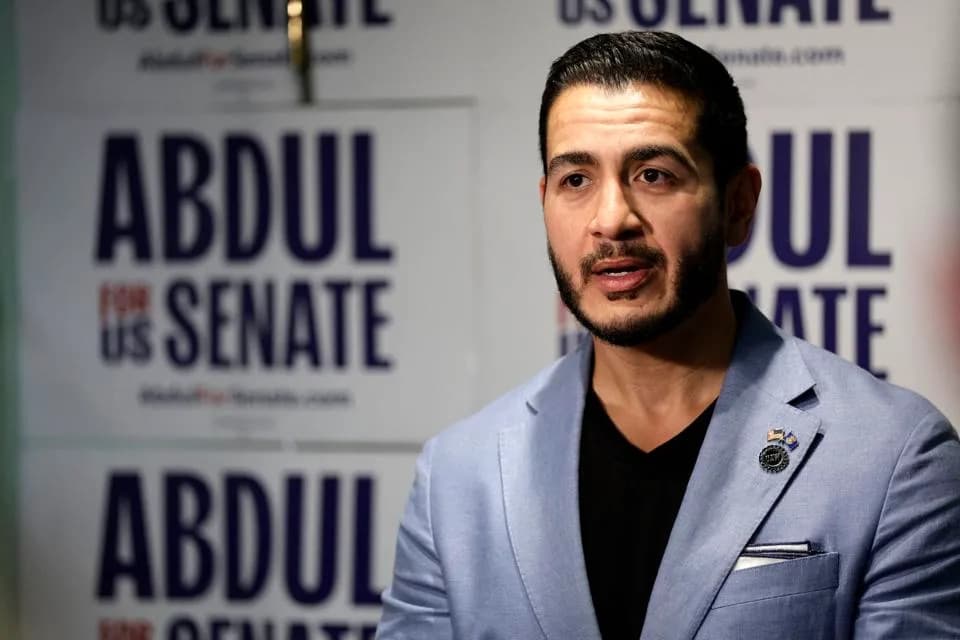
He also cited his recent essay for Bari Weiss’s Free Press, which argued that parts of the Democratic coalition risk creating a dynamic in which party membership effectively requires distancing oneself from Israel and mainstream Jewish institutions. Rubin singled out comments by progressive figures such as Abdul El‑Sayed and, to some extent, Zohran Mamdani, summarizing their rhetoric as asserting that one cannot be both progressive and a supporter of Israel — a stance Rubin called hostile to Jewish sentiment.
Responses And Backlash
Rubin’s remarks drew pushback from some corners of the online left. Controversial streamer Hasan Piker criticized Rubin for linking Sanders to rising antisemitism and called the claim shameful. Rubin replied publicly, noting his role on Sanders’s 2020 campaign and his prior senior service in the Obama administration, and argued that calling out antisemitic rhetoric inside the party is necessary to preserve inclusion.
Where The Debate Goes From Here
The exchange highlights a broader, ongoing debate about where to draw the line between legitimate criticism of Israeli policy and rhetoric that marginalizes or demonizes Jewish Americans. Rubin framed his intervention as a defense of inclusion: he says the Democratic Party should welcome Jews who care about Israel without forcing them to abandon those ties to remain part of the party.
The original report on this exchange appeared on Mediaite; clips and commentary have circulated widely online as the conversation continues.
Help us improve.