Cornell researchers adapted an ultrablack, bird-feather-inspired wool to desalinate seawater using only sunlight. In a two-sided vertical setup the ultrablack wool produced 2.43 kg/m²/hr, while polydopamine-treated wool produced 2.21 kg/m²/hr. Both ran for 10 hours without salt fouling and produced water within WHO limits. Wool’s biodegradability reduces microplastic risk; future work will test other feedwaters and practical collection systems.
Bird-Inspired Ultrablack Wool Desalinates Seawater With Sunlight — 2.43 kg/m²/hr and 10-Hour Salt Resistance
Bird-inspired ultrablack wool capture 2.43 kg of water per square meter for 10 hours
Nearly half of the world’s urban population could lack reliable access to clean drinking water by 2050 — a projected rise of roughly 50% compared with 2016 — and researchers at Cornell have turned to an unexpected biological model for a low-impact solution: the ultra-dark feathers of certain birds. Their lab adapted an ultrablack, bird-feather-inspired wool to turn sunlight into potable water via solar-driven desalination.
Bioinspired Material And How It Works
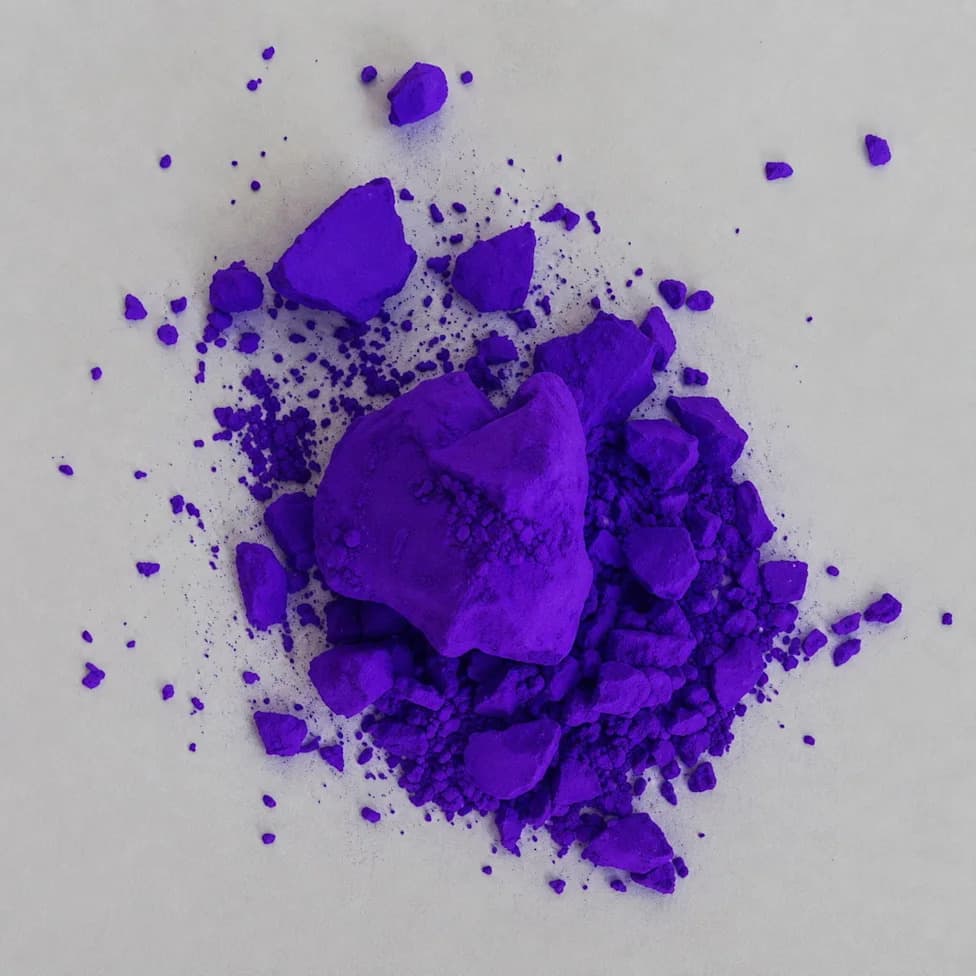
A team led by Larissa Shepherd, assistant professor in Cornell’s Department of Human Centered Design, and work led by Kyuin Park in Shepherd’s Responsive Apparel Design Lab, published results in Advanced Science. They used wool dyed with polydopamine — a polymer inspired by melanin — which bonds strongly to fibers and absorbs near-infrared light, converting it efficiently into heat.
Shepherd’s group previously combined polydopamine with a plasma-etching process that creates light-trapping nanofibrils to produce a record-setting ultrablack fabric modeled on riflebird feathers. In the new study, the same treatments were applied to wool to test interfacial solar vapor generation, a desalination approach where a specialized absorber sits partially submerged so sunlight heats only the water at the material’s surface, driving evaporation that then condenses into freshwater.
Performance And Durability
The researchers tested three wool architectures across three physical configurations: a horizontal (flat) layout, a one-sided vertical orientation, and a two-sided vertical arrangement that used mirrors to illuminate both faces simultaneously. The two-sided vertical setup outperformed the others by a substantial margin.
In that optimal configuration, ultrablack-treated wool produced 2.43 kg of water per square metre per hour (2.43 kg/m²/hr). Wool treated with polydopamine alone — without the extra ultrablack plasma-etching step — produced 2.21 kg/m²/hr. Both outputs were nearly double the evaporation rates observed in conventional horizontal setups.
Crucially, the material resisted salt fouling: it operated continuously for 10 hours without salt buildup degrading performance. The condensed water’s salt concentration remained well below World Health Organization drinking-water thresholds, according to Shepherd.
Practical Advantages And Future Work
Shepherd emphasized wool’s biodegradability as a key advantage over many plastic-based absorbers: wool is less likely to contribute persistent microplastics as it degrades. The team also noted that polydopamine-only treatment already yields strong performance, so the additional plasma-etching needed to reach ultrablack may not always be justified — although the modest extra evaporation might pay off over extended operation.
Planned next steps include testing the dyed-wool approach on other feedwaters (rainwater and wastewater) and developing improved, practical designs for collecting and delivering the purified water produced in real-world settings. Overall, the study highlights a bioinspired materials route that combines high solar absorption, robust desalination performance, and a lower environmental impact.
Help us improve.