Rula Jebreal's recent insults toward Hakeem Jeffries—calling him an "errand boy" and a "monkey"—expose a wider erosion in political discourse where ridicule often replaces reasoned critique. Such language carries historical weight and can perpetuate dehumanization. The article argues that anger and sharp criticism are valid, but they must explain the action, the harm, and the remedy rather than rely on contempt. Readers are urged to demand higher standards: be passionate, but make the argument.
Insults Aren't Arguments: What Rula Jebreal's Attack on Hakeem Jeffries Reveals About Our Political Discourse
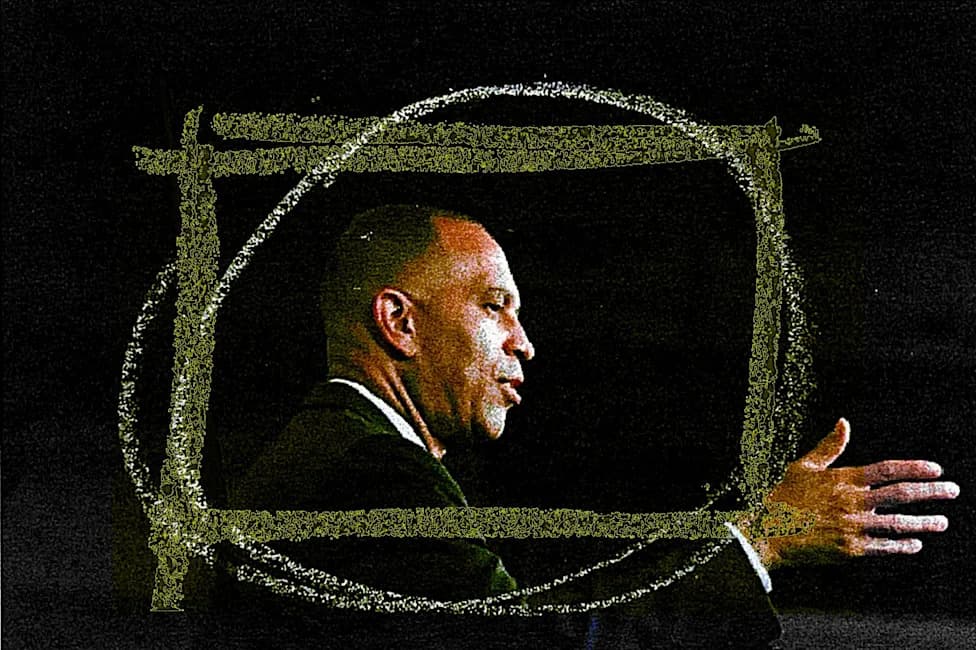
Jeffries’ strategy, his relationships, his record on Israel and Gaza and his preparation to lead the House are all legitimate subjects for debate. But not like this.
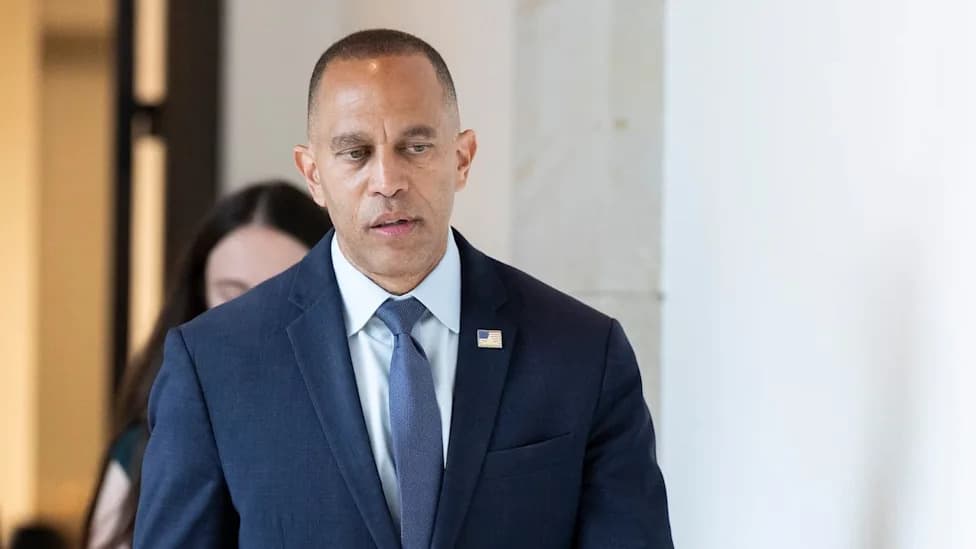
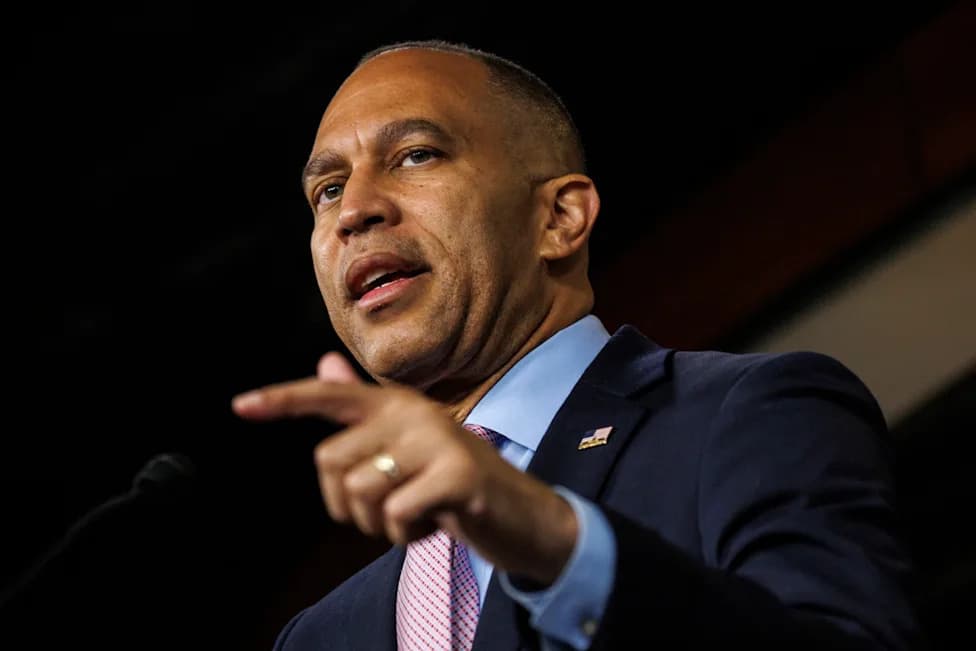
Progressive commentator Rula Jebreal recently described House Democratic Leader Hakeem Jeffries as an "errand boy" and a "monkey," then issued a limited apology that failed to acknowledge the full context and harm of those words. Her remarks and the subsequent response illuminate a deeper problem in public debate: contempt too often substitutes for explanation.
Why Words Matter
Calling a Black man a "monkey" invokes a long, ugly history of dehumanizing Black people to justify slavery, segregation and discrimination. Labeling him an "errand boy" reduces him to a servant and strips him of dignity. An apology that avoids this historical context is incomplete; it risks defending the insult while evading responsibility.
Contempt as a Substitute for Argument
This episode is not an isolated lapse. Too many commentators confuse virulence with insight: harsh language and ridicule are presented as if they were a substitute for evidence, explanation or policy critique. That tendency flattens debate and encourages audiences to accept caricature rather than reasoned scrutiny.
"If all you have is an insult, you do not have an argument."
Examples And Effects
A milder—but revealing—example is radio host Charlamagne tha God's nickname for Jeffries, "AIPAC Shakur." The label hints at a critique without explaining what Jeffries said or did to deserve it. It lets mockery stand in for argument and spares the commentator and the audience the work of making a case.
Across the political spectrum, contempt can be treated as license. Once someone takes a stance you oppose, the disagreement too often becomes permission to attack the person's character: they are not merely wrong but stupid, corrupt or irredeemable. The rest of us enable this cycle when we laugh, share, or applaud the cruelty instead of demanding a substantive critique.
Demand Better, Even When Angry
This is not a call for tepid civility. Anger and sharp critique have a place in public life—some actions deserve fierce condemnation. But powerful criticism must explain: What did the person do? Why was it wrong? Who was harmed? What should change?
An insult answers none of those questions. It only broadcasts emotion. We should ask more of our commentators and ourselves: be angry, be provocative, even be funny when appropriate—but make the argument and ground it in facts and consequences.
Contributors: Evan Brechtel contributed reporting. For more conversation from Michael Steele, Symone Sanders Townsend and Luke Russert, watch "The Weeknight" Monday–Friday at 7 p.m. ET on MS NOW, and find Symone's podcast with Eugene Daniels, "Clock It," on your preferred podcast platform.
Help us improve.