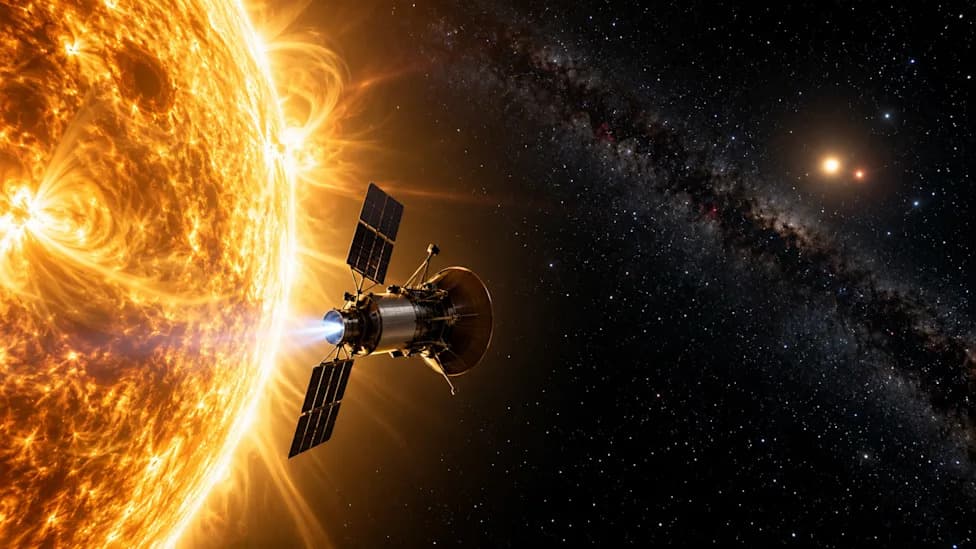
BepiColombo’s European and Japanese probes have separated from their cruise stage and are closing on Mercury after nearly a decade in space. Controllers waited about two hours for radio confirmation as the maneuver was monitored from ESA’s operations center in Germany. The spacecraft are due to enter Mercury orbit in November, split into two orbiters in December, and begin comprehensive science operations next spring to study the planet’s magnetic field, interior and unusual surface "hollows."
BepiColombo Probes Separate and Close In On Mercury After Nearly Decade-Long Journey
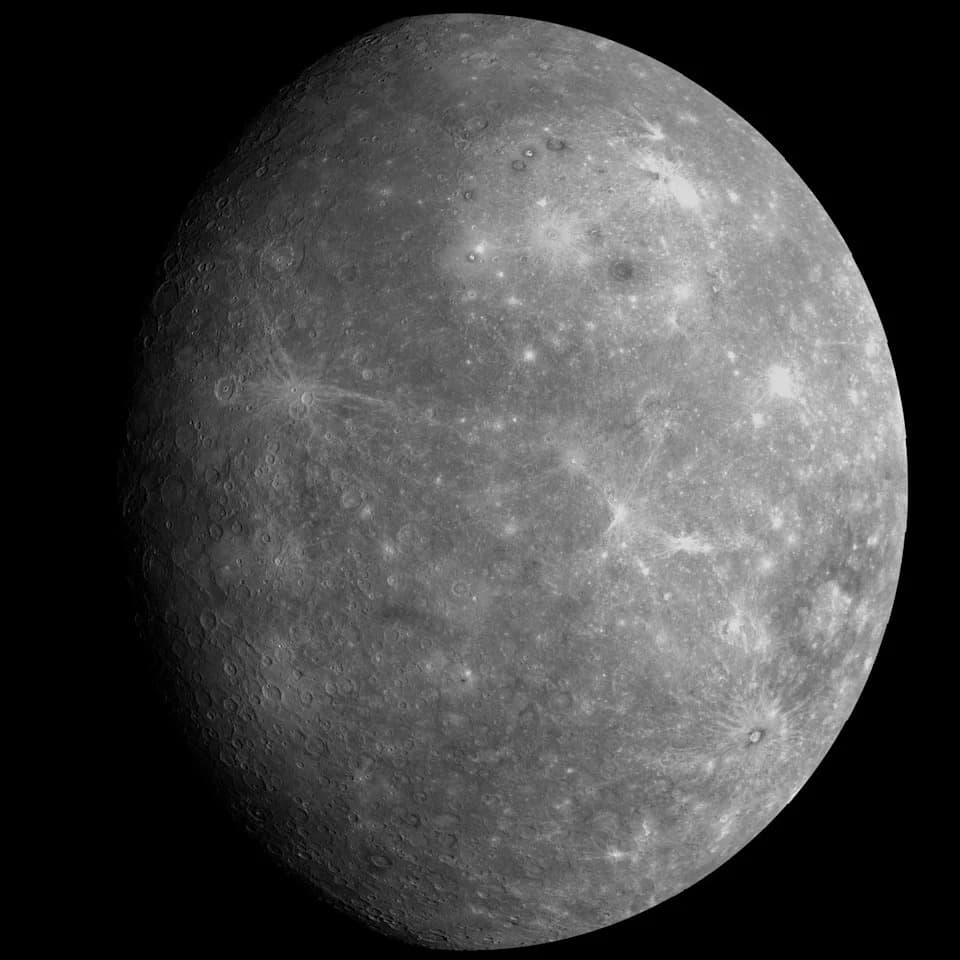
The planet Mercury
CAPE CANAVERAL, Fla. — Two spacecraft bound for Mercury have detached from their cruise module and begun the final leg of a mission that has taken nearly ten years to reach the solar system’s smallest, sunward planet.
The European Space Agency and Japan Aerospace Exploration Agency probes separated as planned on Thursday. Flight controllers waited roughly two anxious hours for radio confirmation that the maneuver had succeeded; the event was monitored and broadcast from ESA’s operations center in Germany, more than 124 million miles away at the time.
"It's a brilliant moment," said lead project scientist Geraint Jones.
The joined spacecraft, known collectively as BepiColombo, are scheduled to be captured into orbit around Mercury in November. They will then separate into two science orbiters in December so each can map and study the planet from different altitudes. As of Thursday, the mission still had about 2 million miles remaining before arrival.
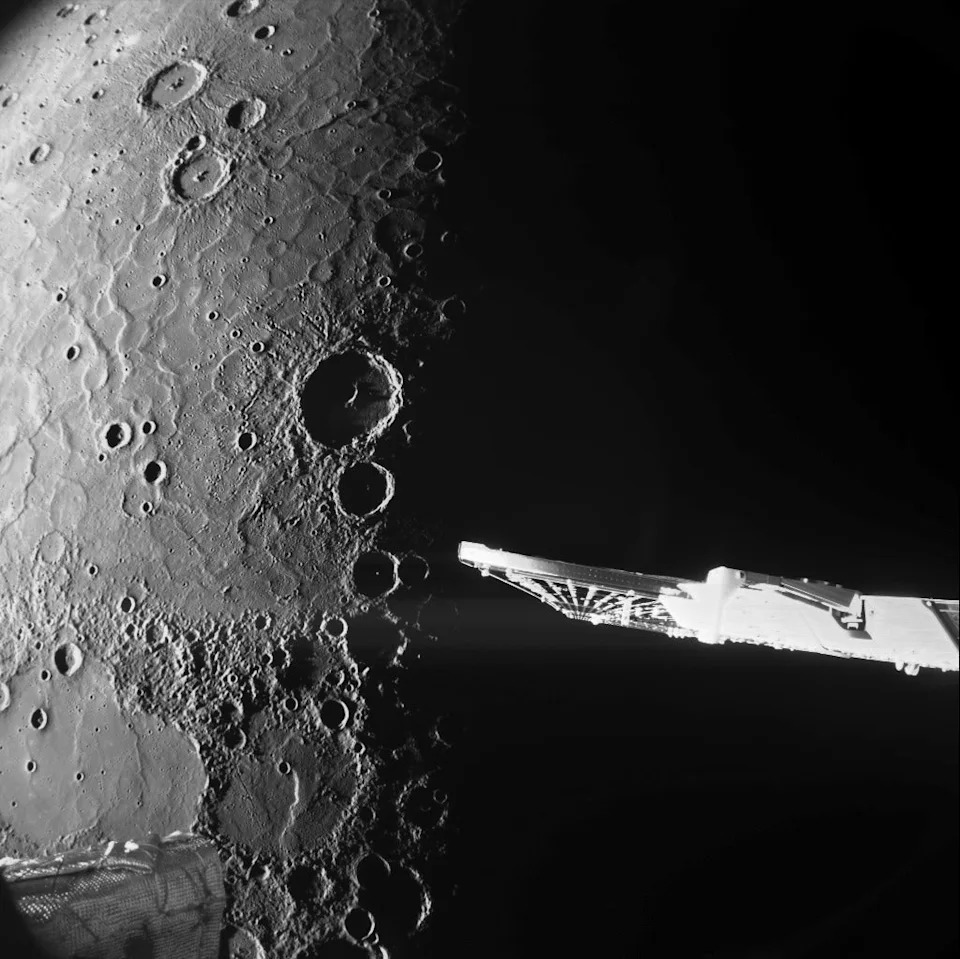
Mercury
Launched in 2018, BepiColombo has already traveled more than 6 billion miles on a deliberately indirect route designed to shed velocity and allow Mercury’s gravity to capture the spacecraft. That trajectory required nine planetary flybys, and the final flyby in January 2025 returned striking images of impact craters and extensive volcanic plains.
Beginning next spring, an array of scientific instruments on the European and Japanese spacecraft will study Mercury’s surrounding magnetic field, probe the composition and density of its interior, and investigate unusual surface features such as the so-called "hollows" — shallow depressions thought to form when volatile minerals sublimate and escape from rocks.
Mercury is a world of stark contrasts: surface temperatures can top 800°F in sunlight while polar regions remain bitterly cold, with permanently shadowed craters that host deposits of water ice. Because the planet orbits so close to the Sun, engineers had to harden the spacecraft against "extremely punishing" thermal and radiation conditions.
"It's essentially equivalent to operating with a very hot pizza oven running right on your back," said Ignacio Tanco, ESA mission operations chief.
Science observations are expected to ramp up next spring, with the European Space Agency covering the majority of the mission’s roughly $2 billion budget. If all goes to plan, BepiColombo will provide the most comprehensive study of Mercury since NASA’s Messenger mission, helping scientists unravel longstanding questions about the planet’s magnetic field, dense interior and geologic history.
Help us improve.