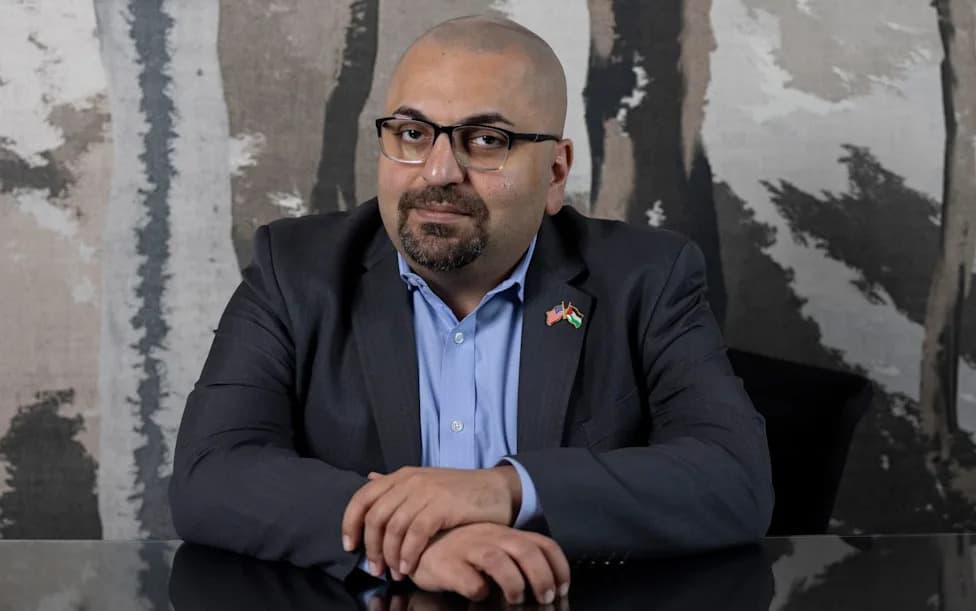
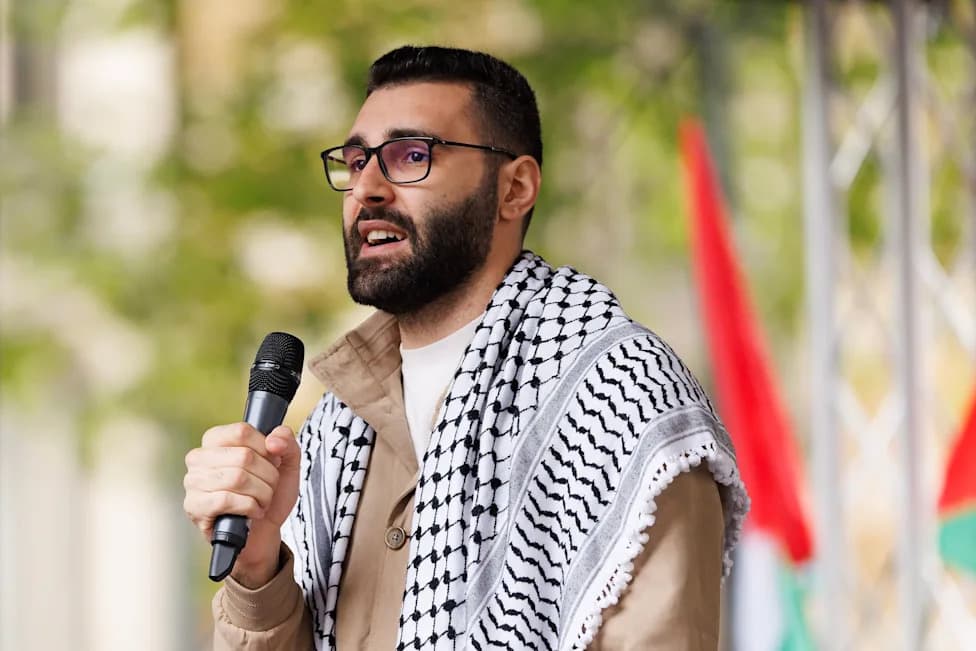
Moumen Al‑Natour, a Gazan lawyer and activist, fled Gaza in 2025 after threats from Hamas' internal security and pressure from militias. He urges international actors to separate civilians from armed fighters, reform education to counter radicalization, and support civilian governance so Gaza can rebuild and pursue peace with Israel. Al‑Natour calls for safeguards that ensure aid reaches civilians and warns that allowing Hamas into future governance risks renewed conflict.
Gazan Activist Moumen Al‑Natour: "Gaza Is Not Hamas" — Calls For Civilian Separation, Education Reform and Peace With Israel
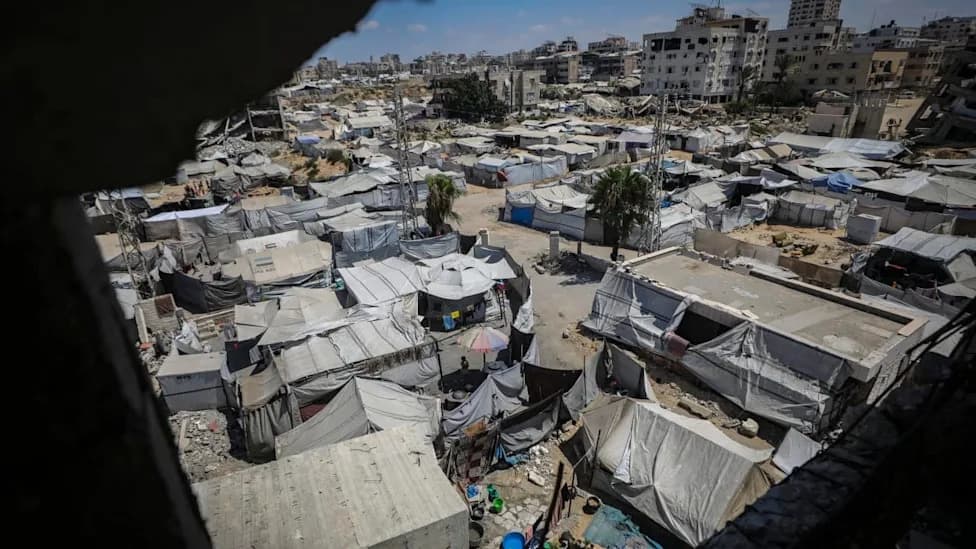
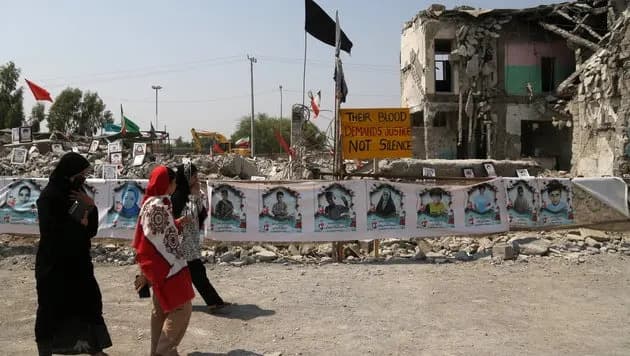
Tents housing displaced Palestinians are seen among homes destroyed during the recent war between Israel and Hamas in Gaza City, central Gaza Strip, September 3, 2026. (photo credit: Ali Hassan/Flash90)
Moumen Al‑Natour, a Gazan lawyer and founder of the We Want to Live movement, says his flight from Gaza in 2025 began when armed men tied to Hamas came to his home in the al‑Shati refugee camp. After refusing an order to report to Shifa Hospital for questioning, he fled through Khan Yunis and Al‑Mawasi, passing through militia‑controlled areas before reaching safety in Italy. His family followed in September 2025.
Al‑Natour describes sustained threats to his family and pressure from local militia leaders who tried to recruit him. He says he rejected offers of militia leadership because he wants a civilian role in government: "I refused this because I want to be in government, not in militia." He denies media claims that he was involved in spying and insists his aim is peace and civilian protection, not intelligence work.
"Gaza is not Hamas. And Hamas is not Gaza." — a refrain Al‑Natour repeats as the foundation of his appeal to international actors.
What He Proposes
Al‑Natour calls for concrete steps to separate militants from civilians and to create conditions for civilian governance and reconstruction. He has discussed since January 2024 a plan to establish screened zones with checkpoints around designated areas to prevent armed actors from operating freely among civilians. He argues this approach is more reliable than trusting a unilateral promise by Hamas to disarm.
Education and Demilitarization
He stresses that physical separation must be paired with social and educational reform: new school curricula, revised religious instruction, and programs to counter radicalization among children and young people. He links economic recovery to normalized relations with Israel, saying Gazan workers need access to job opportunities and that rebuilding will be impossible while armed groups exert control.
Concerns and Appeals
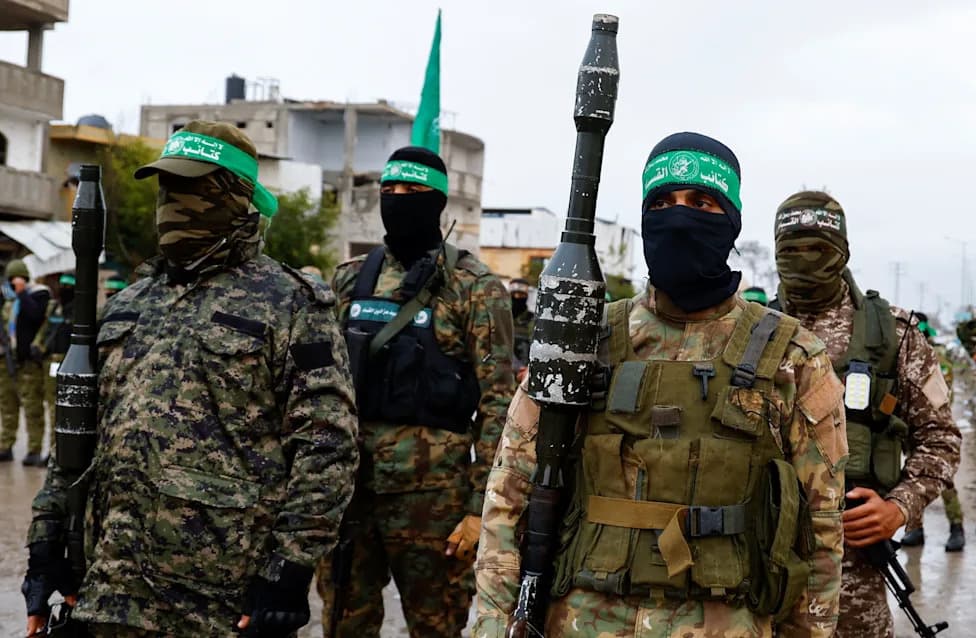
Al‑Natour accuses Hamas of manipulating regional actors and diverting humanitarian aid away from civilians. He highlights the threat posed by Hamas' internal security services and names specific figures he describes as dangerous. He warns that allowing Hamas to participate in future governance risks renewed large‑scale violence.
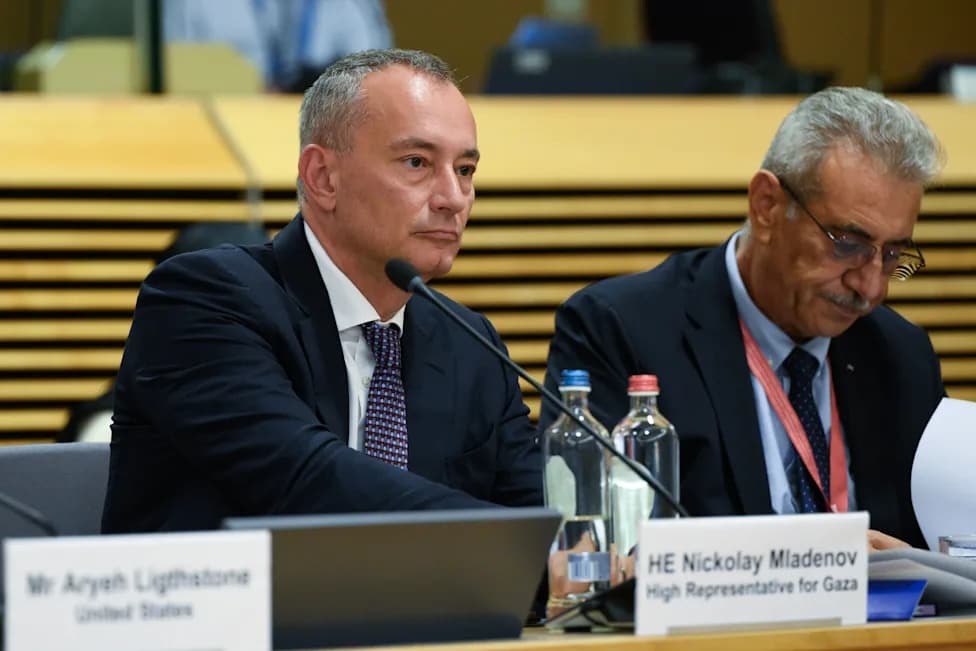
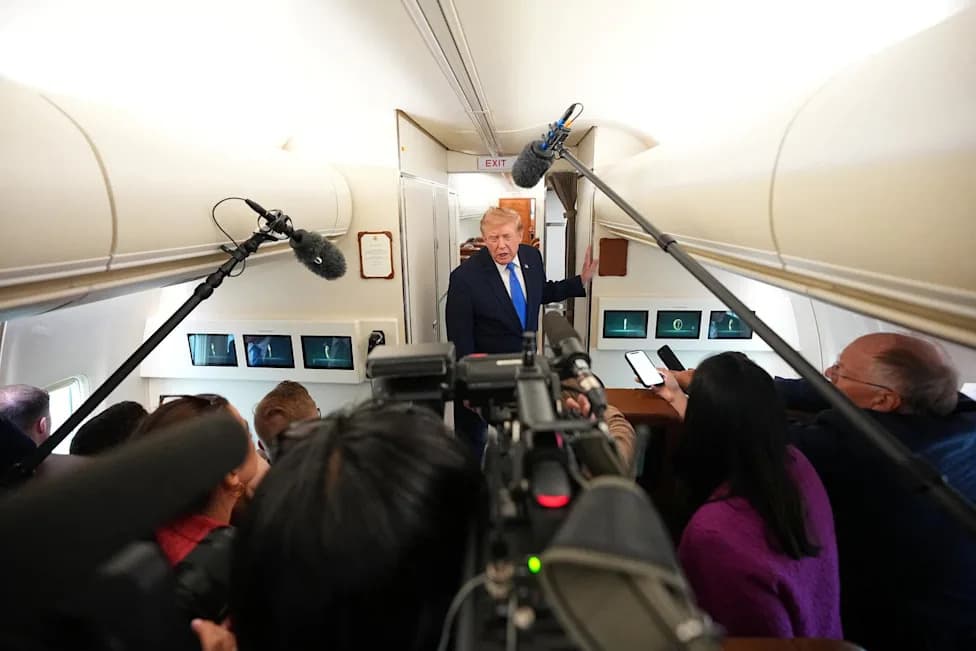
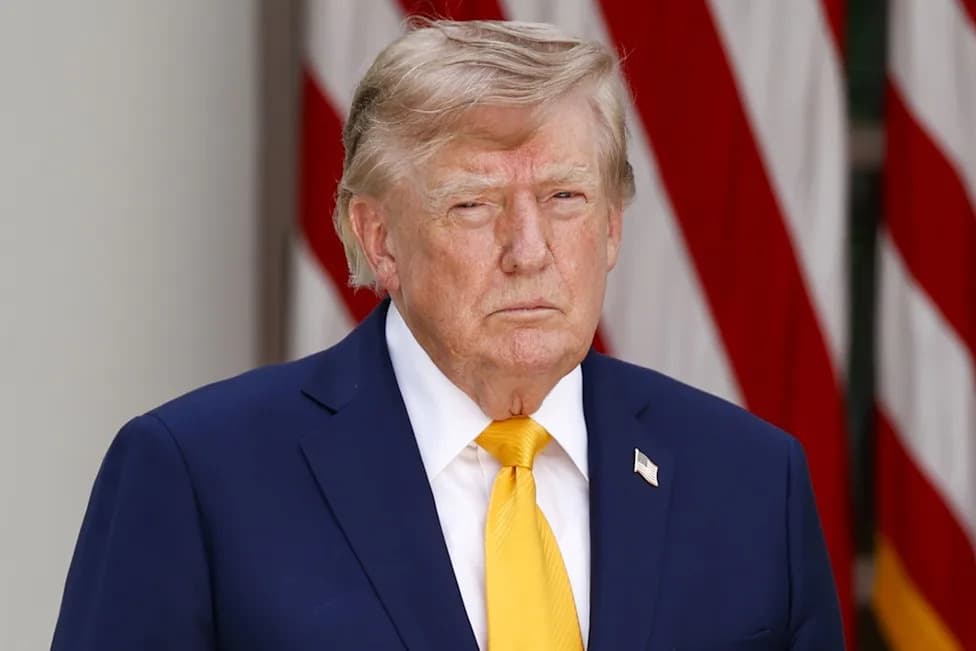
Despite media attention, Al‑Natour says he has not yet met government officials and urges wider international engagement. He says his priority is return and reconstruction, not personal power: "I'm not interested to be a leader for Gaza. But I want to save my people." He has appealed for meetings with international leaders and singled out former U.S. President Donald Trump as someone he would like to address directly.
Final Plea
Al‑Natour's central demand is a clear distinction between Gaza's civilian population and the armed group that governs it. He says separating the two — by removing Hamas' military influence, reforming education, and ensuring aid reaches civilians — is the precondition for rebuilding schools, hospitals and civil institutions and for pursuing a peaceful future with Israel.
"Please, hear us. It's enough. It's enough," he says, urging the international community to act in ways that protect civilians rather than strengthening armed actors.
Help us improve.