
Summary: DeSoto County's Black population has risen from about 11% in 2000 to roughly 36% today, prompting the Mississippi Legislature to create two judicial subdistricts to increase Black representation. Four white residents sued to block the November election, arguing the map is racially motivated and dilutes white votes. U.S. District Judge Sharion Aycock denied an emergency request to halt the vote, citing voter-confusion concerns and insufficient evidence of discriminatory intent, but the case will proceed to trial and may be appealed.
Legal Battle Over Black Judicial Representation in Rapidly Changing DeSoto County, Mississippi
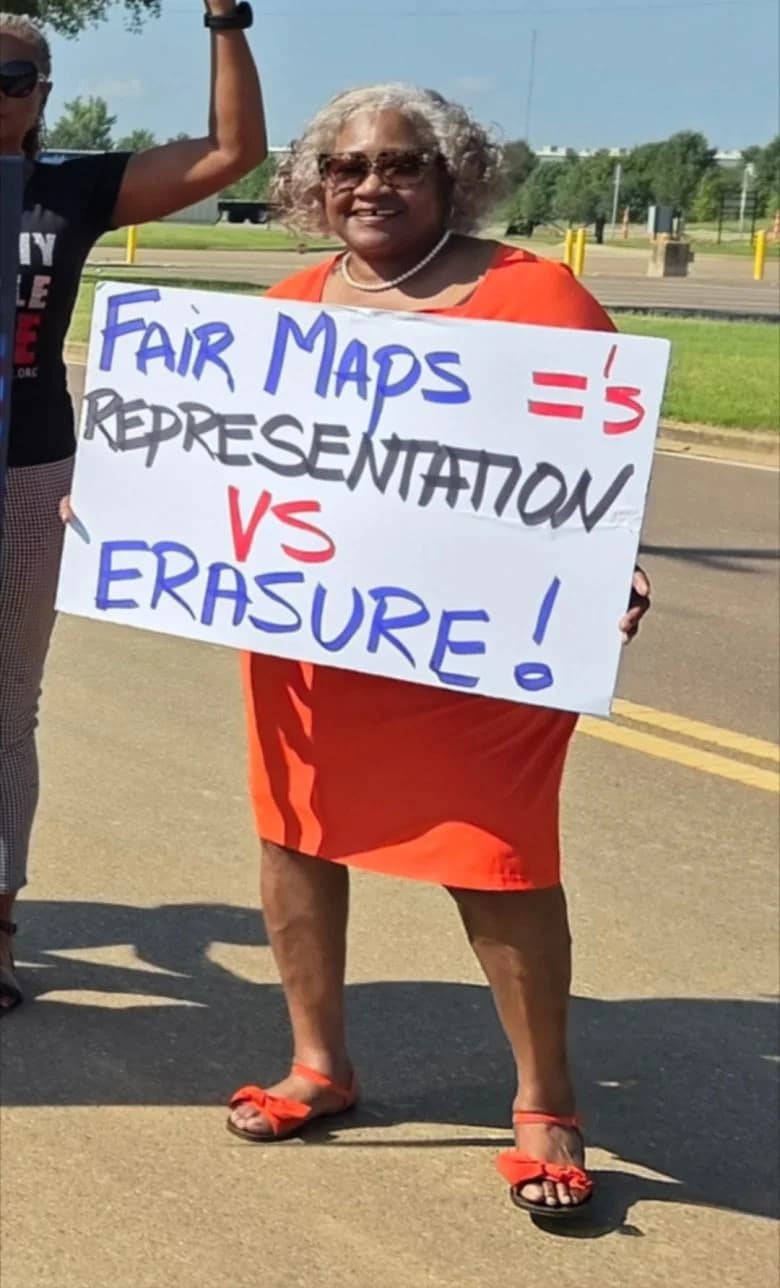
"They must remember that the population is growing, and we want some representation," said Mississippi state Rep. Hester Jackson-McCray. (Courtesy of Kelly Jacobs)
DeSOTO County, Mississippi — As cotton fields gave way to subdivisions, shopping centers and new neighborhoods, DeSoto County has experienced dramatic demographic and economic change. Since 2000 the county's Black population has grown from roughly 11% to about 36%, and that shift has prompted lawmakers to redraw judicial districts to better reflect the county's diversity.
The Mississippi Legislature created two new judicial subdistricts and corresponding judgeships to be filled in the upcoming November election. The intent—lawmakers say—was to increase Black representation on the bench by creating subdistricts centered on Horn Lake and Southaven, two communities with sizable Black populations. Those judges, however, would serve the entire county.
Federal Lawsuit And Initial Ruling
In July, four white residents — County Supervisor and former state representative Robert Foster, Katie Ligon, Kirby Carter and John T. Williams — sued in federal court challenging House Bill 1544 and Senate Bill 2768. The plaintiffs argue the subdistricts are "racially motivated and mathematically problematic," claiming the map dilutes white votes by restricting who may vote in the new judicial races.
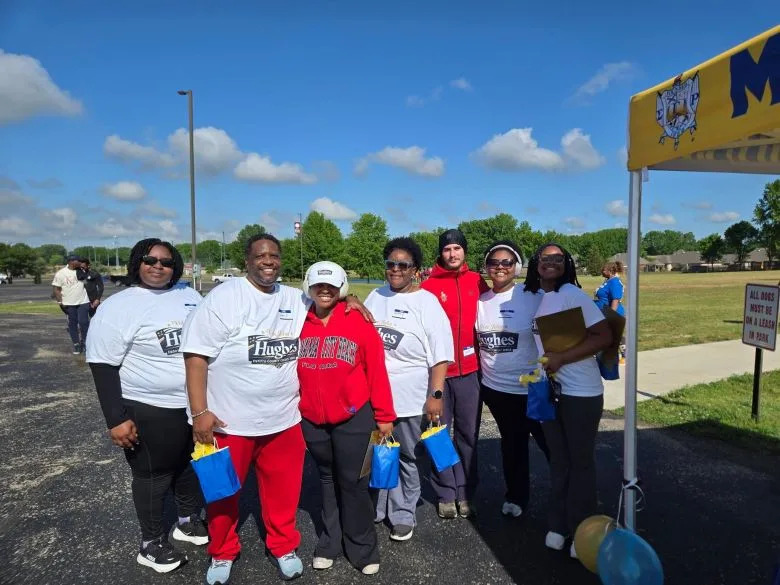
John Hughes is running for one of the new judicial seats serving DeSoto County. (Courtesy of John Hughes)
On Aug. 13, U.S. District Judge Sharion Aycock denied the plaintiffs' emergency request to halt the November election. Citing the Supreme Court's Purcell v. Gonzalez precedent, Judge Aycock warned that changing election rules so close to a vote risks confusion. She also found the plaintiffs failed to prove the Legislature acted with discriminatory intent or that white voters were prevented from choosing their preferred candidates.
Why The Case Matters
Though judicial elections in Mississippi are nonpartisan, the dispute in DeSoto is emblematic of broader post-Supreme Court litigation over race-conscious redistricting. Civil-rights groups — including the ACLU of Mississippi and the NAACP Legal Defense and Educational Fund (LDF) — represent local Black organizations and are defending the new map. Legal observers note this is among the first wave of lawsuits after the U.S. Supreme Court's April decision in Louisiana v. Callais, which critics say weakened some Voting Rights Act protections and has encouraged similar legal challenges across the South.
Sara Rohani, assistant counsel at LDF, told reporters the DeSoto lawsuit could foreshadow legal fights nationwide, particularly as states prepare for the 2030 census and the next mandatory round of redistricting.
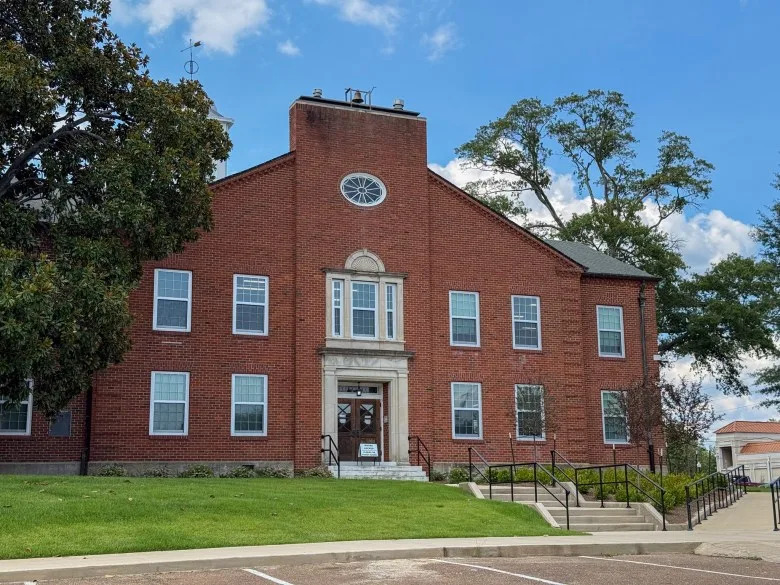
The DeSoto County courthouse. (Aallyah Wright/Capital B)
Local Stakes And Candidates
Local candidates are campaigning amid the uncertainty. John Hughes, a longtime DeSoto resident, is running for one of the new circuit judge seats and has spent months going door-to-door explaining the role of circuit courts—hearing civil cases, felony criminal matters and appeals from county courts. Hughes argues that seeing judges who reflect the community can affect how people experience justice.
Hughes faces Lucious Edwards for one circuit seat. In the chancery race, Gwendolyn Baptist is competing against Malenda Harris Meacham, who is the only white candidate in that contest. Capital B contacted Edwards, Baptist and Harris Meacham but did not receive responses before publication.
Demographics, Representation And History
According to the plaintiffs' complaint, the new subdistrict's voting-age population is roughly 50% Black and 41% white, compared with the countywide voting-age population of about 25% Black and 67% white. Despite its growing diversity, countywide offices in DeSoto remain overwhelmingly white; the notable exception is Thomas Tuggle II, a Republican elected in 2023 as the county's first Black sheriff since Reconstruction.
Still, Black candidates have made recent gains at the local and state levels: Theresa Gillespie-Isom became the county's first Black woman elected to the state Senate in the last cycle, Rodney Hall won a seat in the state House in 2023 as the state's first Black Republican representative since Reconstruction, and LaShonda Johnson became Horn Lake's first Black woman alderwoman in 2017.
Next Steps
The litigation is ongoing. The case will move toward trial on a timetable yet to be set, and the plaintiffs may appeal Judge Aycock's denial of the injunction. Any successful appeal could delay or overturn the planned elections. Civil-rights advocates warn that similar suits could spread across other states as demographic shifts prompt new redistricting efforts.
Bottom line: The DeSoto dispute is both a local fight over courtroom representation and an early indicator of national legal battles over race-conscious redistricting in the post-Callais era.
Help us improve.





















