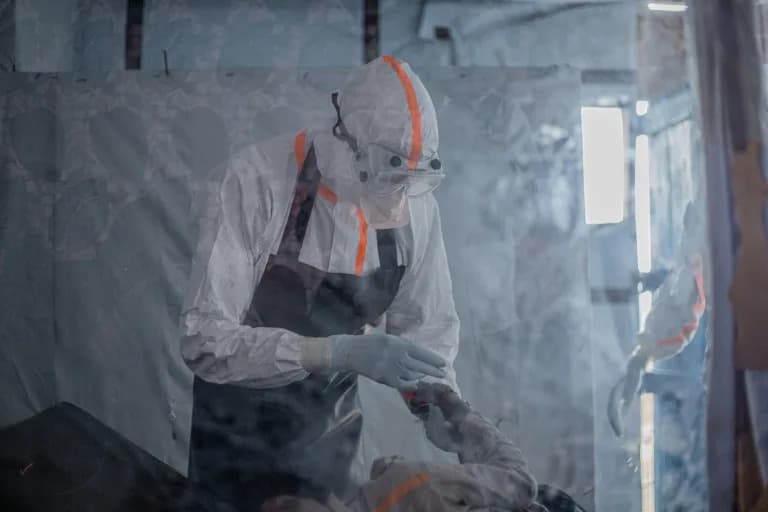
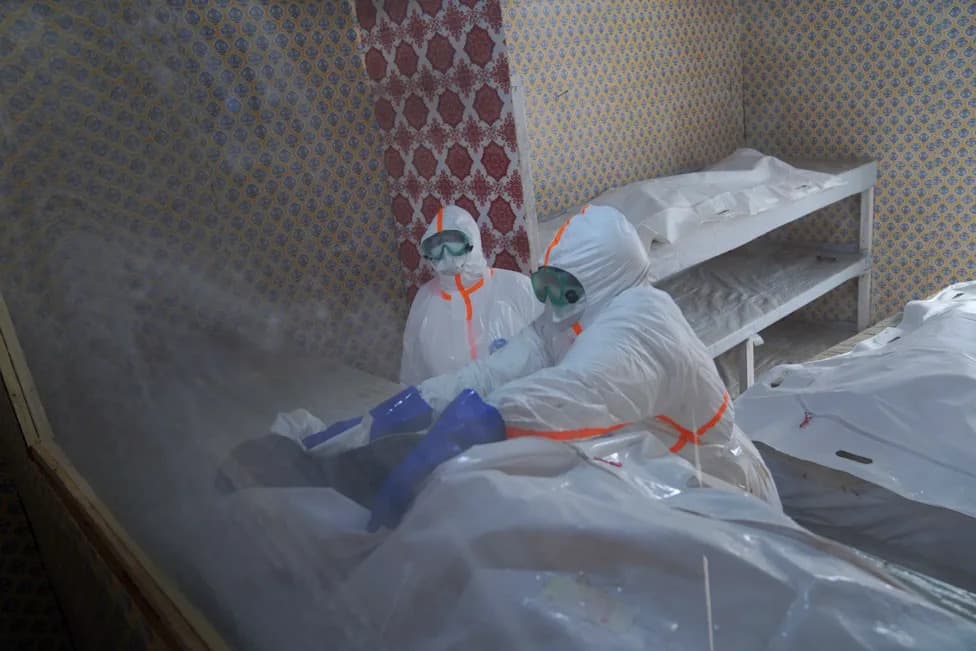
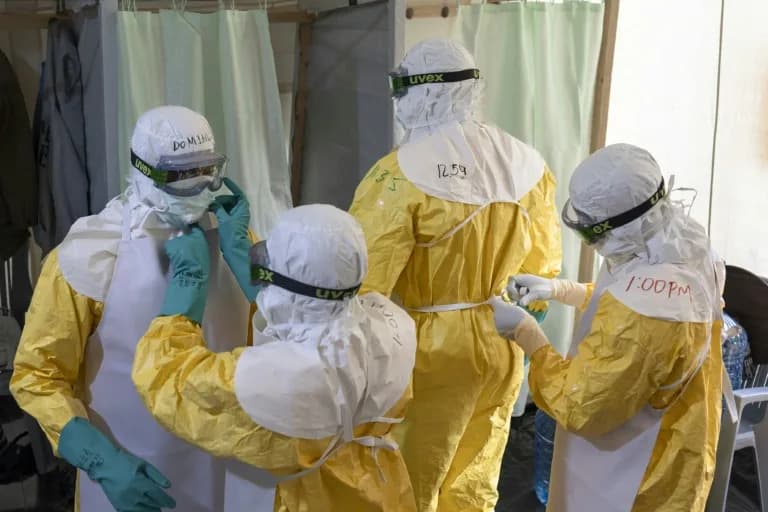
The United Nations says about 160 healthcare workers in the DRC have contracted Ebola and 43 have died. Since May the outbreak has produced 5,290 reported cases and 2,516 deaths. UN officials warn the virus is still spreading and say funding shortfalls, Bunia's airport closure and 266 attacks on health facilities are severely hampering the response.
DRC Ebola Outbreak: About 160 Health Workers Infected, 43 Dead — Response Hampered by Cash Shortages and Attacks
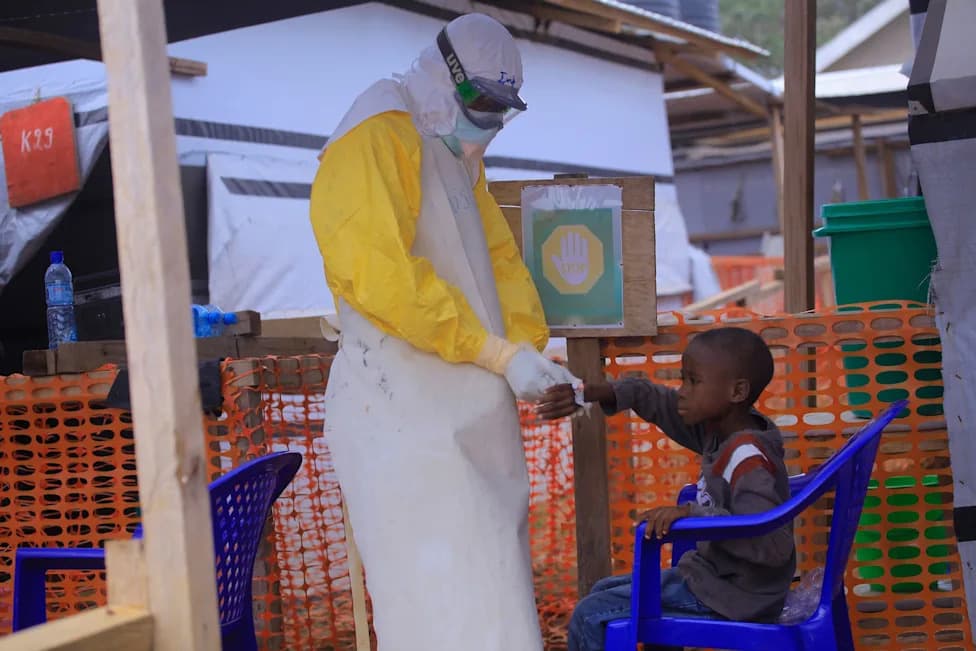
FILE PHOTO - An Ebola nurse at the CTE ALIMA BENI Ebola Treatment Centre cares for a child suspected of having Ebola. (is associated with: «Congo: 160 Ebola cases among medical workers, dozens dead») Kitsa Musayi/dpa
The United Nations reports that roughly 160 healthcare workers in the Democratic Republic of the Congo (DRC) have contracted Ebola, and 43 have died, amid an outbreak that has produced 5,290 reported cases and 2,516 deaths since it was first detected in May.
UN Coordinator Warns Response Is Strained
Julien Harneis, the UN Ebola coordinator based in Bunia, the capital of Ituri province, said the virus remains active and that the response is being undermined by funding shortfalls and logistical problems. He emphasized that much more money is needed to expand treatment, contact tracing and community outreach.
Harneis described acute operational problems in Bunia after the city’s airport was closed to commercial traffic. That closure has contributed to local banks running out of cash, making it difficult to pay the staff who trace and care for contacts of infected people. He added that it is not feasible to move large sums of cash from the capital to Bunia by road, further complicating payments.
Harneis said residents are 'frightened and disillusioned after years of living in a region beset by fighting and displacement' and now confronted with this life-threatening disease.
Security Challenges
Security problems have compounded the health crisis: officials recorded 266 attacks on healthcare facilities and staff across the country over the past six months. Such attacks hinder treatment, discourage community cooperation and endanger responders.
The UN and health authorities are urging increased international funding and improved security and logistics support to prevent further spread and to protect both communities and the medical workers on the front lines.
Help us improve.