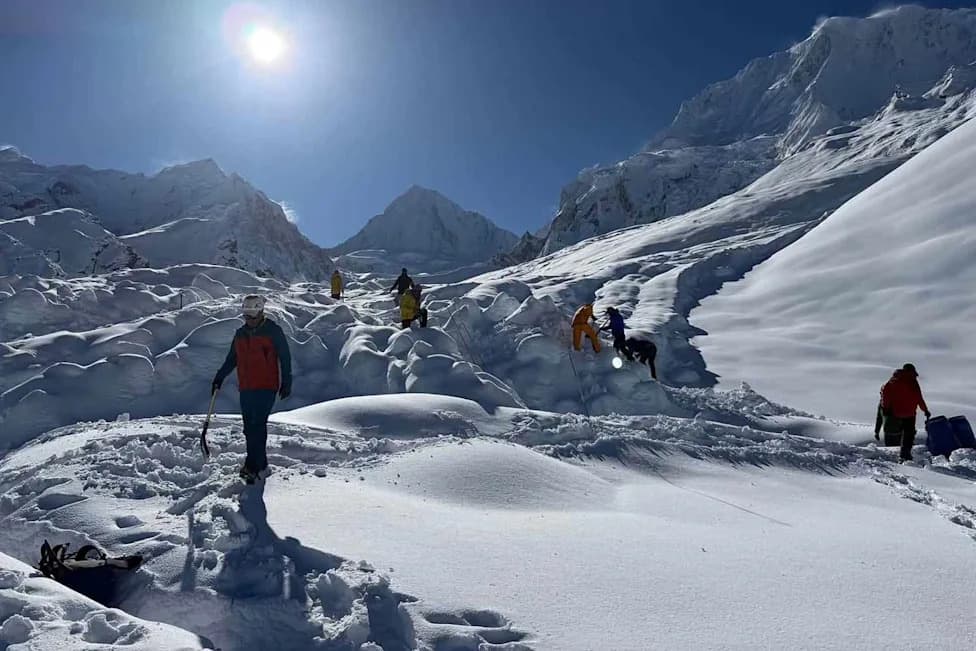
Search teams have recovered the remains of American climber Mallory Geis, the final missing member of a 10-person team struck by an avalanche on Broad Peak. Geis, 39, from San Antonio, was attempting her first 8,000-meter summit in Pakistan when the avalanche occurred. Local volunteers discovered her remains after a search that began on July 31; the expedition had been led by renowned climber Nirmal Purja. Northern Pakistan’s high-altitude routes are known for hazards such as avalanches, falling ice and rapidly changing weather.
Remains of American Climber Mallory Geis Recovered After Broad Peak Avalanche
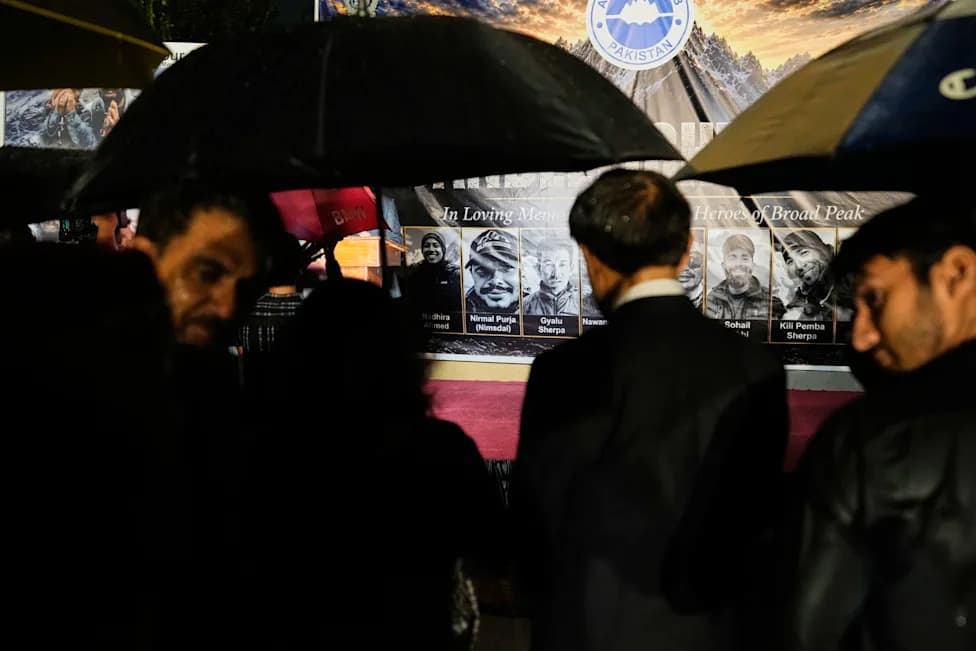
People attend a candlelight vigil in memory of 10 climbers who lost their lives on Broad Peak, in Islamabad, Pakistan, Tuesday, Aug. 11, 2026. (AP Photo/Anjum Naveed)(AP Photo/Anjum Naveed)
Search teams on Friday located the remains of American mountaineer Mallory Geis, the final missing member of a 10-person international climbing team that was swept away by an avalanche on Broad Peak several weeks earlier, local authorities and a mountaineering official said.
Irfan Arshad Khan, president of the Alpine Club of Pakistan, said a team of local volunteers discovered Geis’ remains during the recovery operation. The expedition was Geis’ first attempt to summit an 8,000-meter (26,247-foot) peak in Pakistan.

Nepalese Ambassador to Pakistan Rita Dhital, center, delivers her speech during a candlelight vigil in memory of 10 climbers who lost their lives on Broad Peak, in Islamabad, Pakistan, Tuesday, Aug. 11, 2026. (AP Photo/Anjum Naveed)(AP Photo/Anjum Naveed)
Geis, 39, lived in San Antonio, Texas. Earlier this year she announced on social media that she was closing her Pilates studio to take “a giant leap of faith into the unknown to see where life goes. I have a sneaking suspicion there will be lots of helmets, harnesses, and crampons involved.”
Her family remembered her in a recent statement as “a bright light who was loved deeply by her family and friends.”
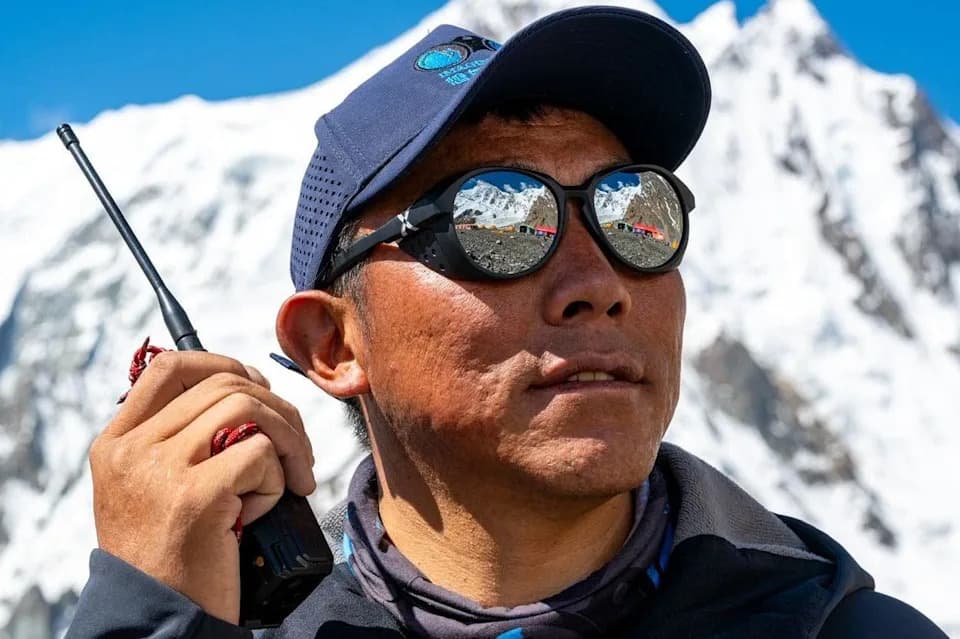
The recovery concluded a search that began on July 31 after the team, led by renowned climber Nirmal Purja, was hit by the avalanche on Broad Peak. Purja — widely known as Nims Dai — is a Nepal-born former British Army soldier who drew international attention in 2019 by climbing the world’s 14 highest peaks in 189 days, a feat featured in the Netflix film "14 Peaks: Nothing Is Impossible." His record was surpassed in 2023.
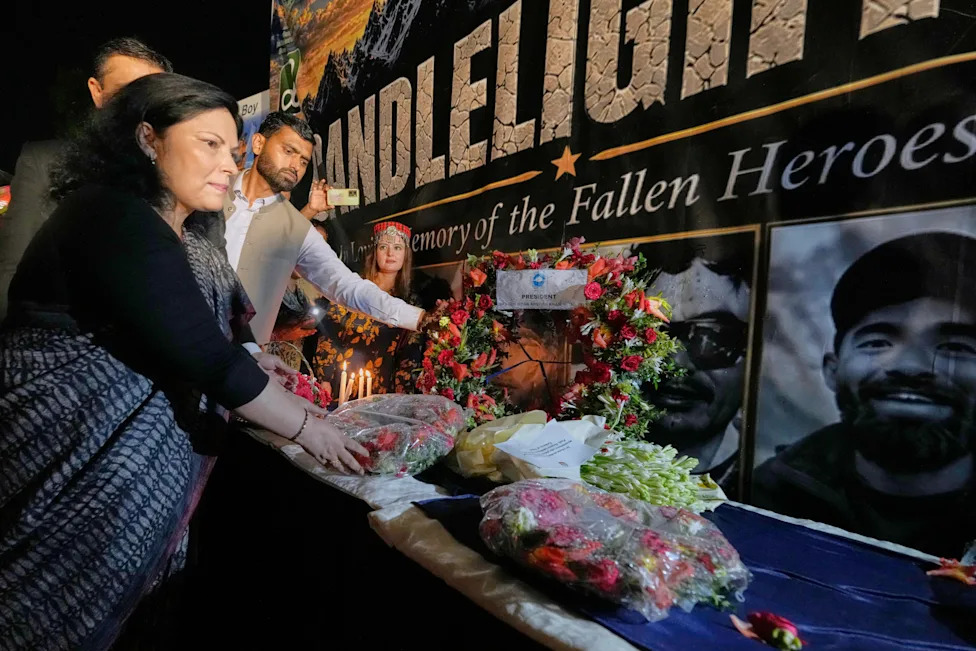
Nepalese Ambassador to Pakistan Rita Dhital, left, and others place flowers next to pictures of climbers who lost their lives on Broad Peak, during a candlelight vigil in their memory, in Islamabad, Pakistan, Tuesday, Aug. 11, 2026. (AP Photo/Anjum Naveed)(AP Photo/Anjum Naveed)
Hazards of High-Altitude Climbing
Climbs in northern Pakistan remain highly hazardous due to avalanches, falling ice and rock, extreme altitude and rapidly changing weather. Such risks make rescue and recovery operations especially difficult for local authorities and volunteer teams.
Authorities have not released further details about the timing of the recovery or plans for repatriation of the remains. The Alpine Club of Pakistan and local officials continue to coordinate with the families of those lost in the avalanche.
Help us improve.