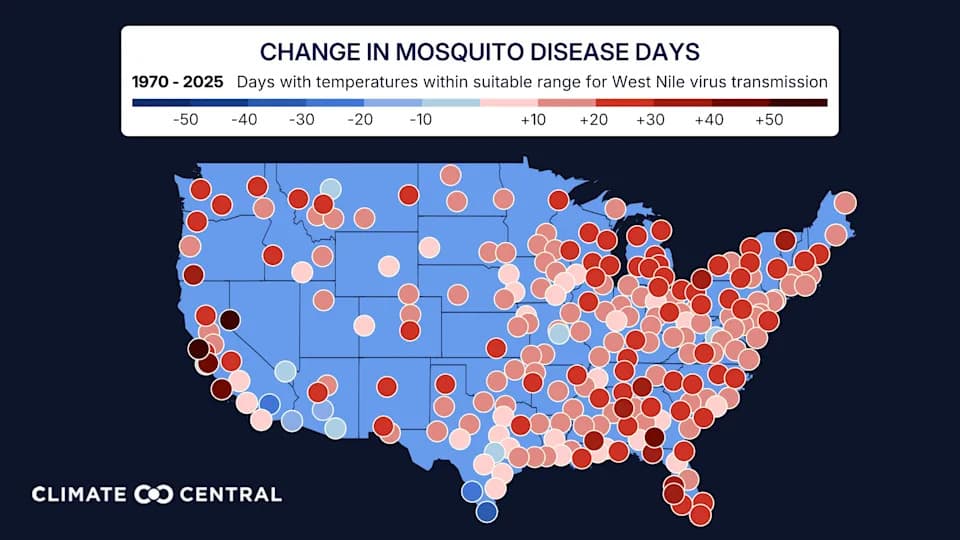
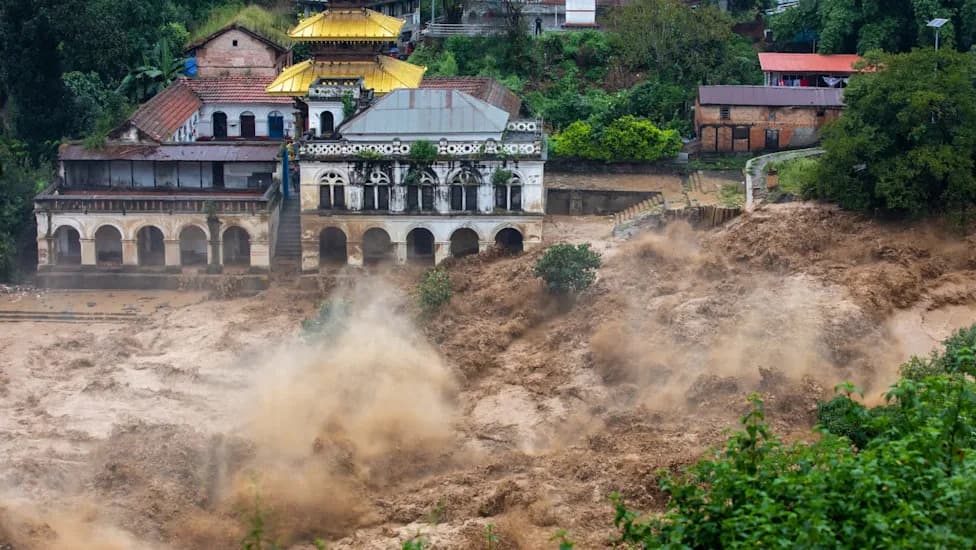
The planet is warming and many regions are becoming drier. A new review of nearly 100 studies reveals a "drought-disease paradox": some water-dependent pathogens decline as water bodies disappear, while others — including cholera, West Nile virus and dengue — can surge. Drought reshapes animal movements, concentrates hosts and vectors, and alters environmental conditions, creating new transmission risks. Better satellite monitoring and smarter water management are essential to predict and reduce future outbreaks.
Drier World, Shifting Threats: How Droughts Are Helping Some Infectious Diseases Spread
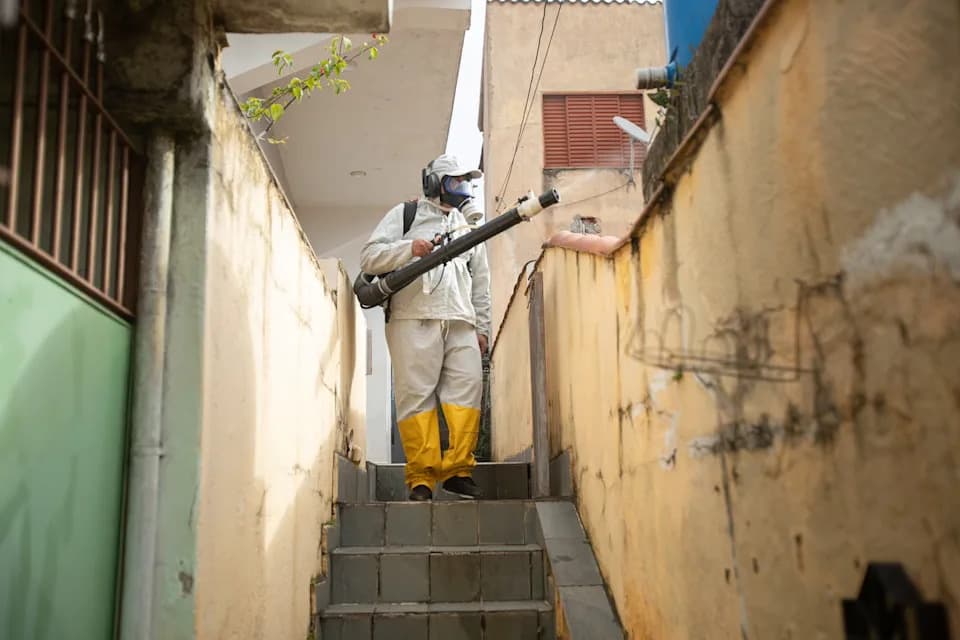
City workers in Sao Paulo, Brazil fumigate a neighborhood to fight against an outbreak of mosquito-borne dengue in March 2024.
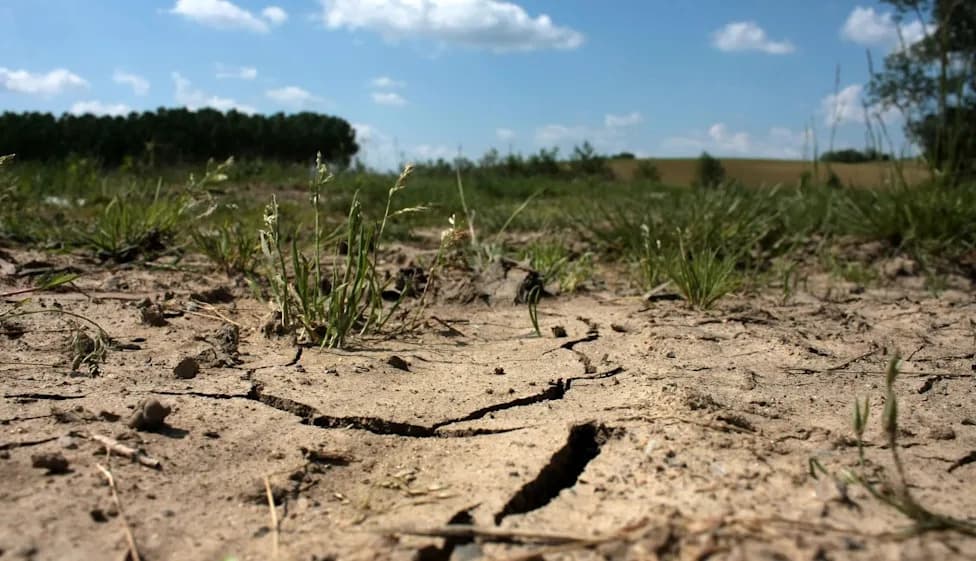
The planet is warming and, in many regions, growing drier. This summer, as U.S. states dispute Colorado River water rights, major reservoirs have dropped to historically low levels. Extended drought in Puerto Rico has intensified an infrastructure crisis, leaving some residents without water for weeks. Rivers across Europe, including the Danube and the Rhine, have fallen to record lows, forcing power plants to scale back, devastating crops and even revealing long-buried World War II relics. More than 60 percent of farmland in Italy is now affected by critical drought.
New Research Connects Drought To Disease
A review published in Trends in Ecology and Evolution synthesizes nearly 100 studies across the animal kingdom — from humans to large mammals, fish, amphibians and insects — and shows that drought can both suppress and amplify infectious diseases. While some pathogens decline as ponds, wetlands and lakes dry up, others unexpectedly surge. Scientists call this the "drought-disease paradox."
"We assume water-borne diseases need abundant water, but in some cases they do better when water is scarce," said Tara Stewart Merrill, an aquatic disease ecologist and coauthor of the review.
Why Less Water Can Mean More Disease
Shifts in water availability reshape animal behavior and ecosystem conditions in several ways that can increase transmission risk:
- Animal Crowding: As small water sources disappear, wildlife and livestock concentrate at the remaining pools. Crowding increases contact rates and concentrates feces and other biological material that support parasites.
- Vector-Host Overlap: Drier, shallower water and altered habitats can bring disease-carrying birds, mosquitoes and other vectors into closer contact with humans and domestic animals.
- Environmental Favorability: Warmer, stagnant, and saltier waters created during droughts can favor harmful bacteria, algae, and molds in certain contexts.
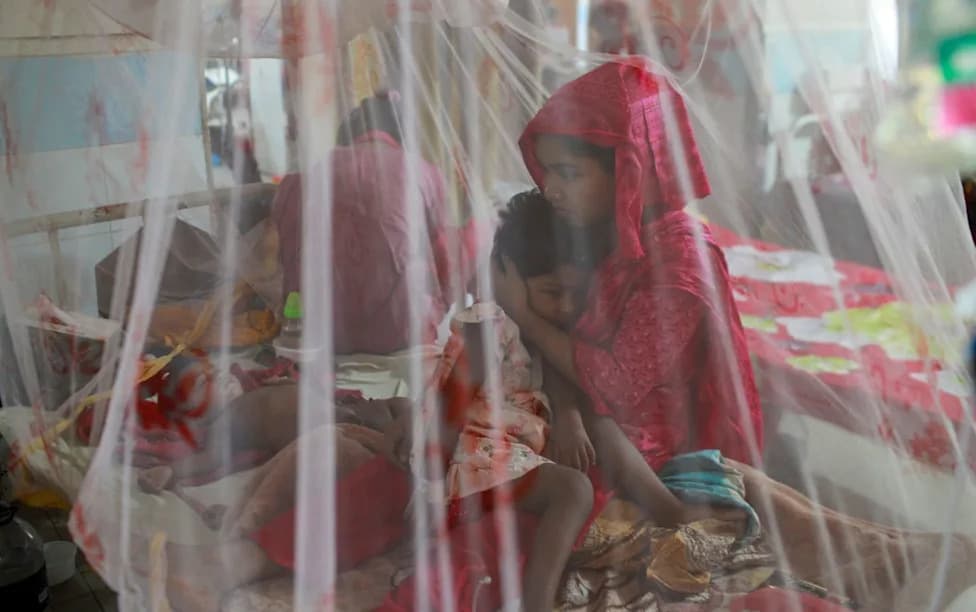
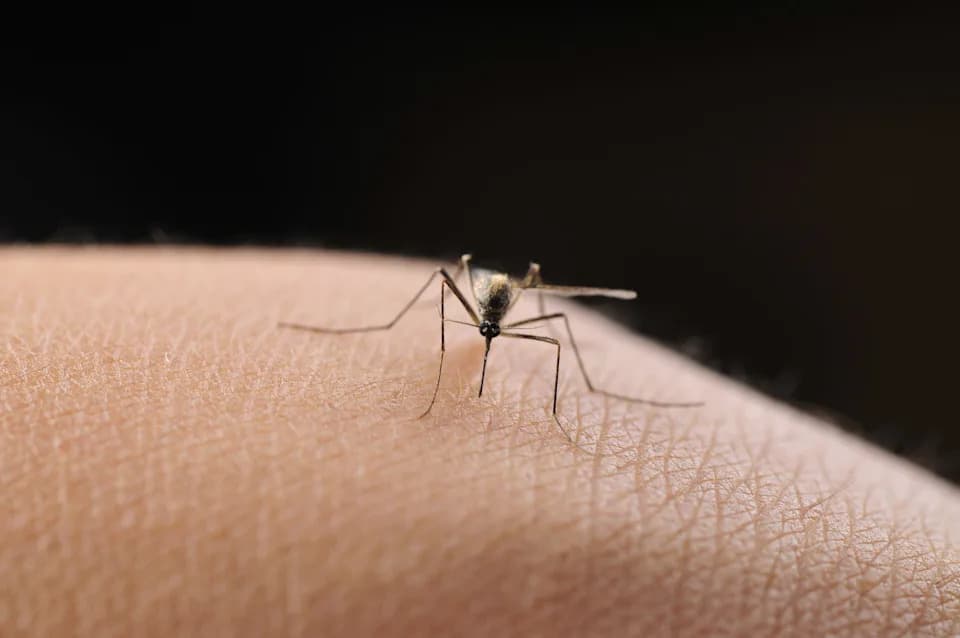
For example, wildlife studies included in the review found that after low-rain periods parasite egg loads in dung exceeded 100,000 eggs per kilogram in some cases — a dramatic increase in transmission potential. In urban settings, the crowding of hosts and stagnant containers of water can similarly amplify mosquito-borne diseases like dengue and West Nile virus.
When Drought Suppresses Disease
Not all pathogens benefit from dry conditions. Many parasites, fungi, and bacteria require cool, oxygenated, or consistently fresh water to complete life cycles. For some organisms, prolonged drought can reduce or even eliminate local populations. The review notes that Vibrio vulnificus — a bacterium linked to oyster-related food poisoning — may spike initially during drying but can decline if drought persists long enough to make habitats unsuitable.
Complex Interactions And Weather Whiplash
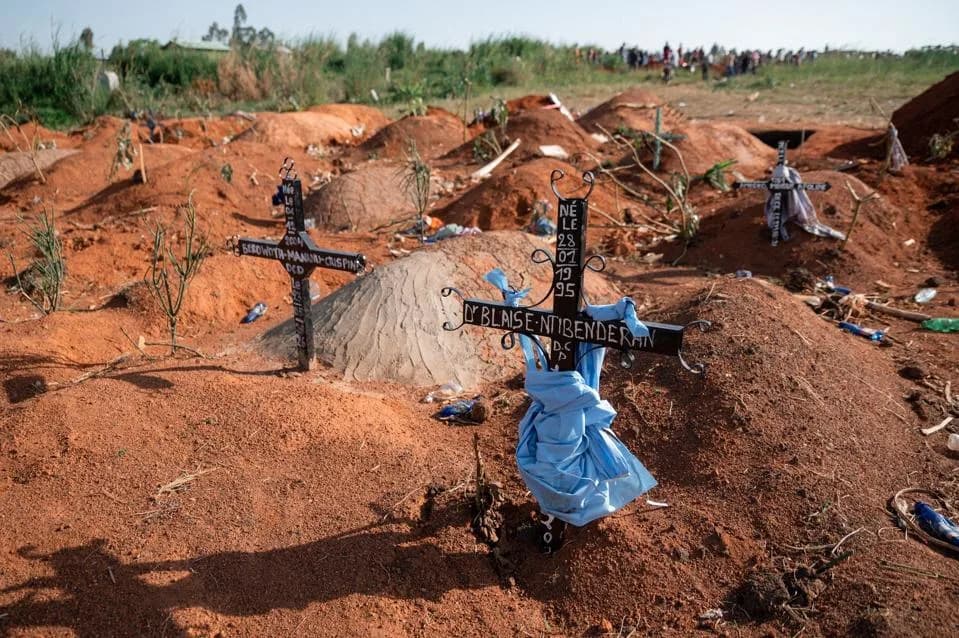
The timing, intensity, and sequence of wet and dry periods all matter. "Weather whiplash" — heavy rains followed by drought — can make outbreaks worse. The fungus that causes valley fever, for instance, grows during wet winters and becomes airborne dust in dry, windy conditions, increasing infections. Historical examples in the review include California’s droughts in the 2000s (linked with thousands of excess valley fever cases) and a 2014 superdrought that contributed to a spike in West Nile virus cases. In 2017, drought in Somalia preceded nearly 80,000 cholera cases and more than 1,000 deaths; in Brazil, dengue risk has been observed to increase months after droughts.
Implications For Monitoring And Management
Understanding how drought reshapes disease landscapes will be critical for public health planning. Improvements in satellite and remote-sensing technology should help track shifting water distributions and identify emerging hotspots. Equally important is recognizing how human actions — building dams, expanding irrigation, or changing land use — can create new reservoirs or breeding sites for pathogens and vectors.
As Sam Sabado, a biologist at Stanford University not involved in the review, put it: "Water touches almost every aspect of life. How we manage this resource knowing the future will be warmer is a pressing challenge for public health and ecosystem management."
Note: This article is based on a synthesis originally published by Grist on Aug 21, 2026 and on the review in Trends in Ecology and Evolution. Key examples and findings are retained and clarified for readability.
Help us improve.