Two U.S. senators have demanded answers after reports that TikTok disabled an algorithmic safety feature for about 10% of U.S. users—roughly 15 million people—to create a control group for an experiment. Reporting says a 16-year-old in that control group, Chase Nasca, was served thousands of videos about sadness and suicide before his death. Senators Marsha Blackburn and Richard Blumenthal labeled the test "depraved," issued 13 questions to TikTok, and set a September 1 deadline for responses.
Senators Demand Answers From TikTok After Safety Feature Was Disabled in Experiment Affecting 15 Million Users

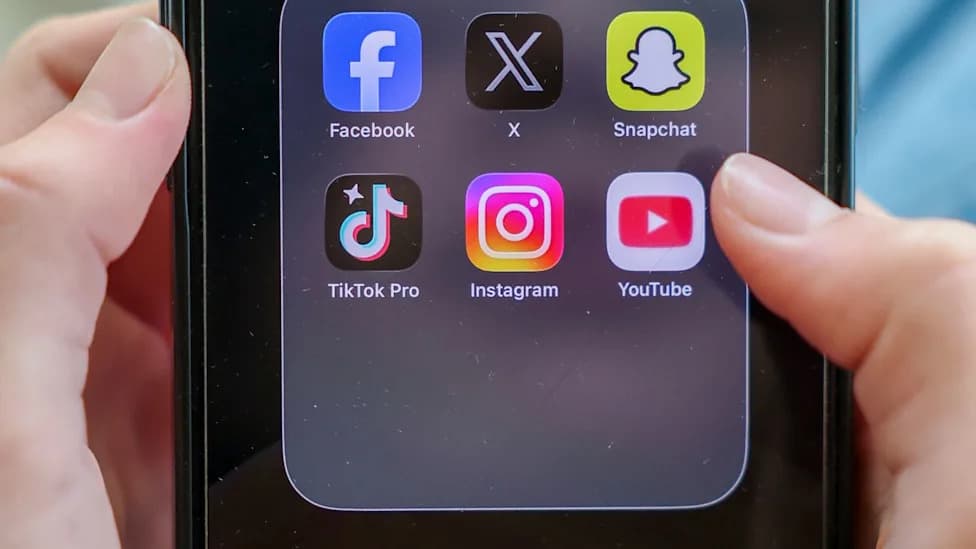
Various social apps on mobile phones Tiktok Instagram Facebook Xiaohongshu Youtube Wechat Instagram | Image Credits:Editorial RF / Getty Images
Two U.S. senators have demanded a detailed explanation from TikTok after reports that the company deliberately disabled an algorithmic safety feature for roughly 10% of American users—about 15 million people—as part of an internal experiment.
What Reporters Say
Senators Marsha Blackburn (R-TN) and Richard Blumenthal (D-CT) sent a letter to TikTok CEO Shou Chew and TikTok U.S. CEO Adam Presser, calling the company’s decision to run the test "depraved." Bloomberg reported that TikTok intentionally turned off an algorithmic safeguard for a control group representing about 10% of U.S. users to measure whether that safeguard reduced user engagement.
Human Consequences
According to reporting, one member of the control group was 16-year-old Chase Nasca. His algorithmic feed reportedly included thousands of videos about sadness, suicide and loneliness in the period before he died by suicide. The senators say the case underscores urgent concerns about how algorithmic experiments are designed and overseen—especially when minors may be affected.
What Senators Are Demanding
The lawmakers have posed 13 specific questions to TikTok, seeking: the names of every employee who knew about the experiment; an explanation for why minors were allowed in the control group; and a full list of U.S. algorithmic experiments in which TikTok disabled or delayed safety features. TikTok has been given until September 1 to respond.
"We call this decision depraved," the senators wrote, demanding documentation and internal communications related to the experiment.
TikTok did not immediately respond to TechCrunch's request for comment. The inquiry is likely to intensify scrutiny on how social platforms test algorithmic changes and safeguard vulnerable users.
Help us improve.