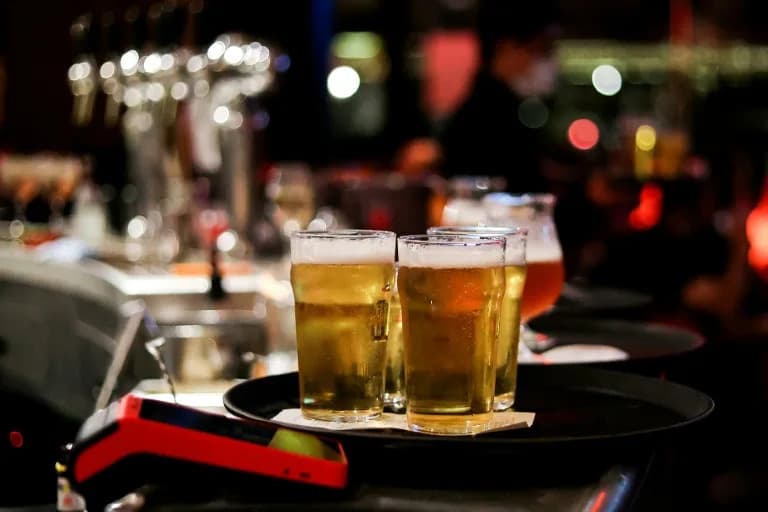
Gallup's Aug. 20 poll shows the share of U.S. adults who drink alcohol remains at a record-low 54% for the second consecutive year. Fifty-one percent now consider one or two drinks a day harmful to health, and awareness of studies on alcohol’s long-term risks rose to 86%. Recent research links high lifetime alcohol use (14+ drinks/week) to substantially higher colorectal and rectal cancer risks. Reports of sometimes overdrinking fell to 13%, and 17% tried nonalcoholic alternatives in the past year.
More Americans Say No to Alcohol: Gallup Finds Drinking At Record Low (54%)
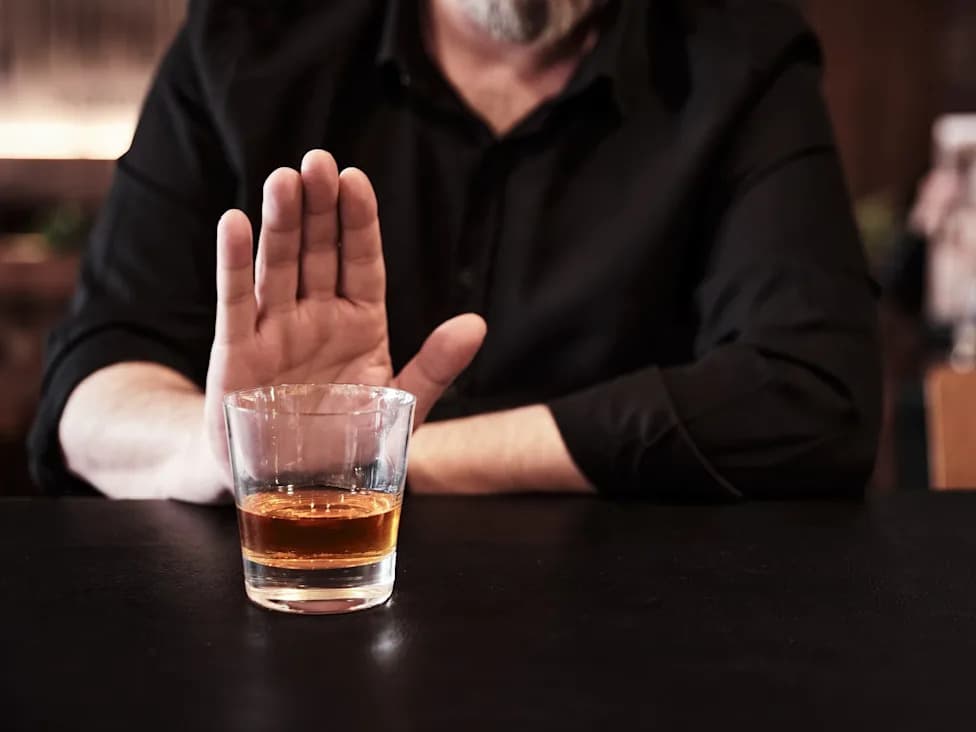
Americans who say they drink alcohol remains at record low, survey finds
Not sure about reaching for that beer? You’re not alone. A Gallup poll released on Aug. 20 finds the share of U.S. adults who report drinking alcohol remains at a record-low 54% for the second year in a row.
What the Survey Found
Health concerns appear to be a driving factor. Gallup reports that 51% of U.S. adults now believe that drinking one or two alcoholic beverages a day is bad for one’s health, a figure essentially unchanged from last year’s record-high 53%.
Public awareness of research linking alcohol to long-term health risks has increased: 86% of respondents said they had "heard at least something about recent studies concerning the long-term health effects of drinking," up from 79% in 2024.
Evidence And Health Risks
Scientific studies are strengthening the link between alcohol and certain cancers. Research published this year in the American Cancer Society journal Cancer found that people whose average lifetime intake was 14 or more drinks per week had a 25% higher risk of developing colorectal cancer and a 95% higher risk of developing rectal cancer compared with those averaging less than one drink per week.
Behavioral Trends
Self-reports of sometimes drinking too much have fallen to a new low: 13% of Americans now say they sometimes overdrink. Gallup noted that before 2000, more than 20% of Americans routinely reported overdrinking, with a record-high 35% in 1989.
For the first time, Gallup also asked about nonalcoholic alternatives: 17% of respondents said they had consumed nonalcoholic beer, wine or spirits in place of an alcoholic drink during the past year.
"I don't think it's a blip at this point. If anything, I think this trend is going to continue to strengthen," said Dr. Jared Harp, an addiction psychiatrist at the Cleveland Clinic, commenting on the decline in drinking.
Methodology: The findings are based on interviews conducted in July with more than 1,000 U.S. adults ages 18 and older.
Help us improve.