
Viral social-media videos show motorists in Russia clashing and queuing for scarce gasoline as Ukrainian strikes target oil facilities. Izvestia reported fuel availability at just 28% of stations, down from 41% a week earlier, and several companies have imposed per-vehicle purchase limits. Refineries are reportedly producing lower-octane fuel to stretch supplies, prompting concerns about engine damage. Analysts say deployment of Rosgvardia underscores authorities' concern about unrest tied to the shortages.
Viral Videos Show Brawls as Russian Gasoline Shortages Deepen After Ukrainian Strikes
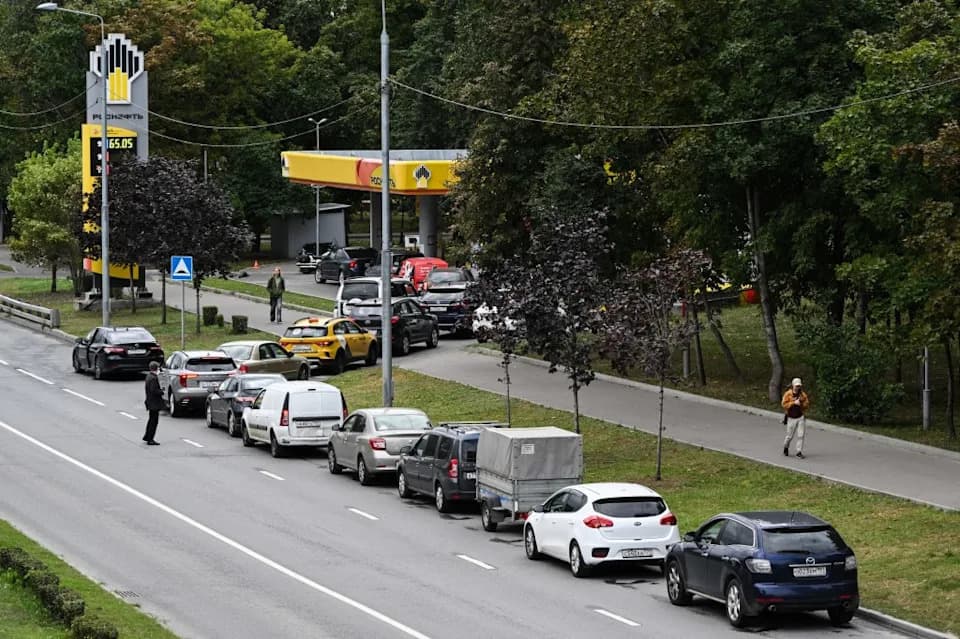
Drivers queue at a Rosneft petrol station in Moscow on August 19, 2026. Russian authorities acknowledged that some regions face new petrol shortages.
Social media footage has captured tense confrontations between motorists across Russia as gasoline supplies fall sharply, a situation officials and state-aligned outlets increasingly link to Ukrainian strikes on the country’s oil infrastructure.
What Happened
Kremlin-friendly newspaper Izvestia reported that gasoline was available at just 28% of filling stations, down from 41% a week earlier, illustrating how quickly access has declined in some regions. Reuters reported on August 17 that at least 10 regions had imposed fuel-sales limits to conserve supplies: Rosneft capped purchases at 30 liters per vehicle, Tatneft at 50 liters, and Gazprom Neft at 40–60 liters.
Ukrainian forces have continued targeting Russian oil facilities to degrade Moscow’s war-making capacity. In recent attacks, Ukrainian strikes hit the Taneco refinery in Nizhnekamsk, Tatarstan, and an oil facility in Kuban, Krasnodar region. A photograph from August 19, 2026, showed drivers queued outside a Rosneft station in Moscow as authorities acknowledged localized shortages.
Scenes On The Ground
Clips circulating online show long queues at petrol stations, blanked-out price boards, and a number of violent skirmishes as drivers jockey for fuel. Night-time dashcam videos from Moscow and other regions show physical fights between adults at pumps or in traffic, while other clips show motorists in tears or shouting in frustration.
Wider Economic And Technical Impact
Business newspaper Kommersant reported that some refineries are increasing the use of aromatic hydrocarbons to stretch supply by producing lower-octane gasoline. Social media posts include videos of cars belching smoke after refueling, prompting concerns about possible engine damage.
Mikhail Khodorkovsky, exiled former oil executive, wrote that the lower-quality fuel "ruins car engines" and suggested that damaged facilities may not be receiving adequate repairs.
Security Response And Analysis
The Telegram channel VCHK-OGPU—reported to have links to Russian security services—said forces were being sent to some gas stations amid fears of unrest. The Institute for the Study of War (ISW) commented that deploying internal security troops such as the Rosgvardia indicates the Kremlin may lack confidence in regular police to contain fuel-related violence.
Sources And Ongoing Developments
Companies including Gazprom Neft told business outlet RBK that quotas were in place at some stations in the capital, a measure that appears to have intensified tensions. Reuters and local Russian media remain primary sources for the reported sales caps and station availability; Newsweek and other outlets have sought comment from authorities.
Impact Summary: The combination of targeted strikes on oil infrastructure and resulting refinery adjustments appears to be reducing gasoline availability in parts of Russia, fueling public anger, limits on sales and concern about longer-term damage to vehicles and refining capacity.
Help us improve.





















