The 2026 U.S. midterms have seen record corporate political spending, driven by crypto firms, AI companies and online betting platforms. Public Citizen reports $517 million in corporate spending through Q1, with at least $294 million from crypto, tech and gaming since Jan. 1, 2025. Wealthy founders and new super PAC networks are directing funds to shape regulation and elect friendly lawmakers, while watchdogs warn this may sideline broader voter concerns.
The New Kingmakers: Crypto, AI and Betting Firms Fuel Record Corporate Spending in the 2026 Midterms

FILE PHOTO: Representation of cryptocurrencies is seen in this illustration created on September 10, 2025. REUTERS/Dado Ruvic/Illustration/File Photo
NEW YORK, Aug 20 (Reuters) - A new wave of corporate donors — led by crypto companies, artificial intelligence firms and online sports betting platforms — is reshaping political spending in the 2026 U.S. midterms. These emerging industries, backed by a small group of wealthy founders and investors, have driven unprecedented corporate contributions and are using super PACs and dark-money networks to influence regulation and elections.
New Money, New Priorities
Campaign finance watchdogs and strategists from both parties say the 2026 contests have seen record corporate involvement. Public Citizen found that U.S. companies spent an unprecedented $517 million on House and Senate races in the 15 months through the end of the first quarter — topping the prior two-year record for 2024. At least $294 million of that spending came from crypto, tech and online gaming interests since Jan. 1, 2025.
How They Give
These industries are deploying a playbook that channels money through large super PACs, affiliate PACs and dark-money nonprofits. Those groups can accept unlimited contributions and spend freely on advertising, voter mobilization and events, though they are barred from coordinating directly with campaigns. Companies and wealthy executives also give directly to candidates and state ballot fights.
Big Names, Big Dollars
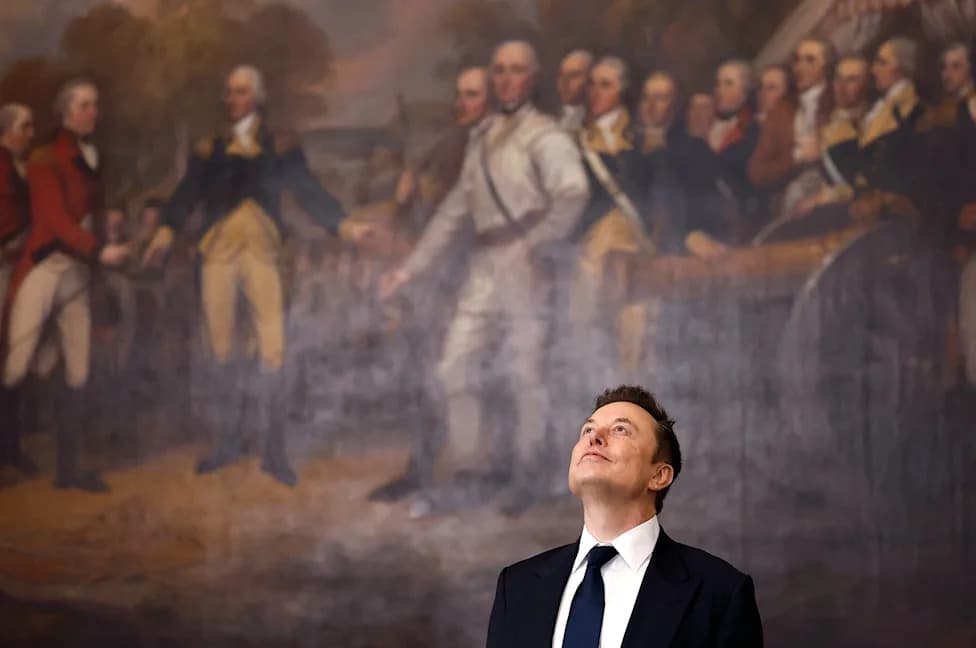
Individual executives have pumped tens of millions more into the cycle. SpaceX founder Elon Musk has already spent more than $90 million on 2026 federal contests, while Google co-founder Sergey Brin spent over $106 million in California to fight a proposed wealth tax and other measures. Meta has donated $65 million to four super PACs backing state-level contests. Political-ad spending overall is projected to reach a record $11.6 billion this cycle, according to AdImpact.
Industry Playbooks and Examples
Crypto’s 2024 strategy — epitomized by the Fairshake super PAC financed largely by Coinbase, Ripple and Andreessen Horowitz — showed how targeted spending can reshape contests. Fairshake started the year with about $193 million and had roughly $130 million left as it continued to influence races and policy debates.
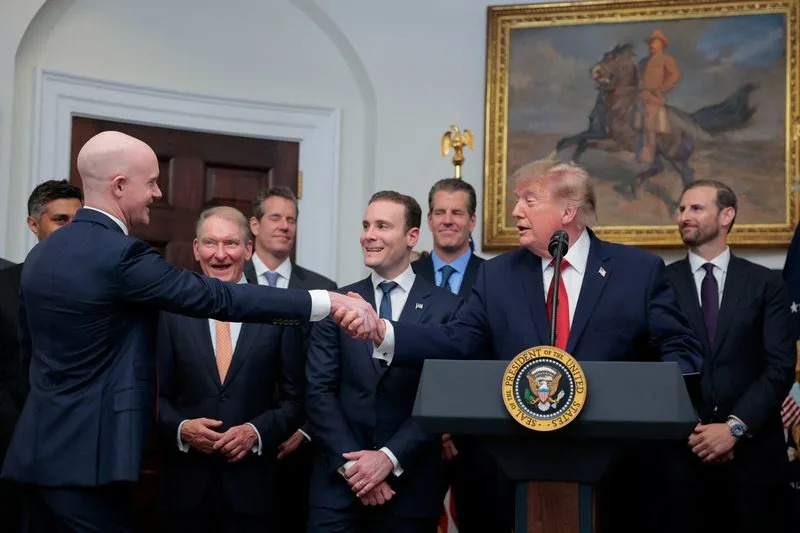
U.S. President Donald Trump shakes hands with Brian Armstrong, Coinbase Co-Founder & Chief Executive Officer, as he delivers remarks with cryptocurrency executives, in the Roosevelt Room at the White House in Washington D.C., U.S., August 19, 2026. REUTERS/Kylie Cooper
AI is rapidly following suit. Political groups backed by or aligned with companies such as OpenAI and Anthropic have already spent millions in local contests, sometimes backing rival candidates in the same district. The AI-aligned super PAC Leading The Future has raised roughly $140 million, while Anthropic has channeled at least $40 million through a dark-money nonprofit, Public First Action.
Online sports-betting firms — including DraftKings, FanDuel, Fanatics and bet365 — have together donated over $72 million this cycle, directing much of that through affiliate PACs to defend state-level markets and oppose new restrictions.
Limits And Backlash
Watchdogs warn that concentrated industry spending risks crowding out broader voter concerns such as inflation, groceries and healthcare. Yet money has its limits: polls show a majority of Americans believe there is too much money in politics, and candidates who emphasize curbing corporate influence have found traction in some races.
"The scale of corporate spending in this election cycle is unlike anything we've seen previously," said Rick Claypool, research director at Public Citizen.
As campaigns accelerate toward Nov. 3, the influence of newly wealthy tech and gambling interests is likely to remain a central storyline — both in how seats are contested and how regulators in Congress and statehouses respond.
(Reporting by Dawn Kopecki in New York; additional reporting by Bo Erickson in Washington, D.C.; edited by David Gaffen and Deepa Babington)
Help us improve.