The Château de Chambord's lawns and flowerbeds have browned after repeated heatwaves and drought, leaving soil unusually dry and vegetation struggling to recover. Garden staff report this year even some trees are showing stress and could decline over the next two to three years, says head gardener Julien Billon. The Domaine national de Chambord is reassessing plant choices to favour xerophytes and hardier trees, aiming to cut water use while preserving the gardens' historic appearance.
Chambord's Historic Gardens Rethink Planting as Heatwaves and Drought Take Their Toll
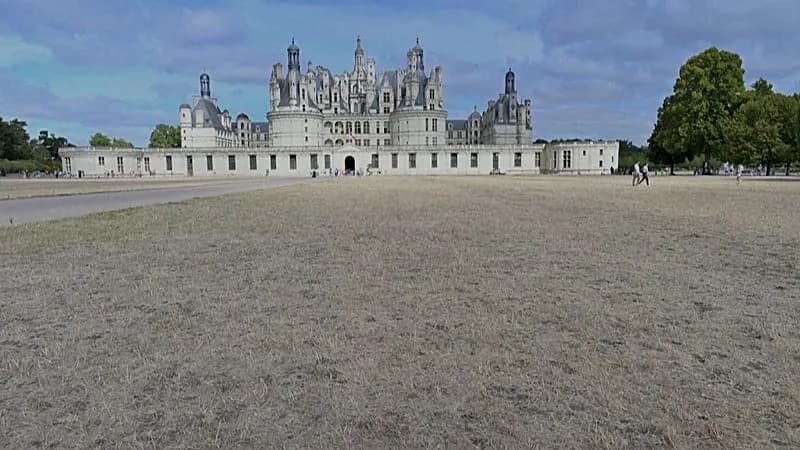
Climate change forces rethink at Chambord's historic gardens
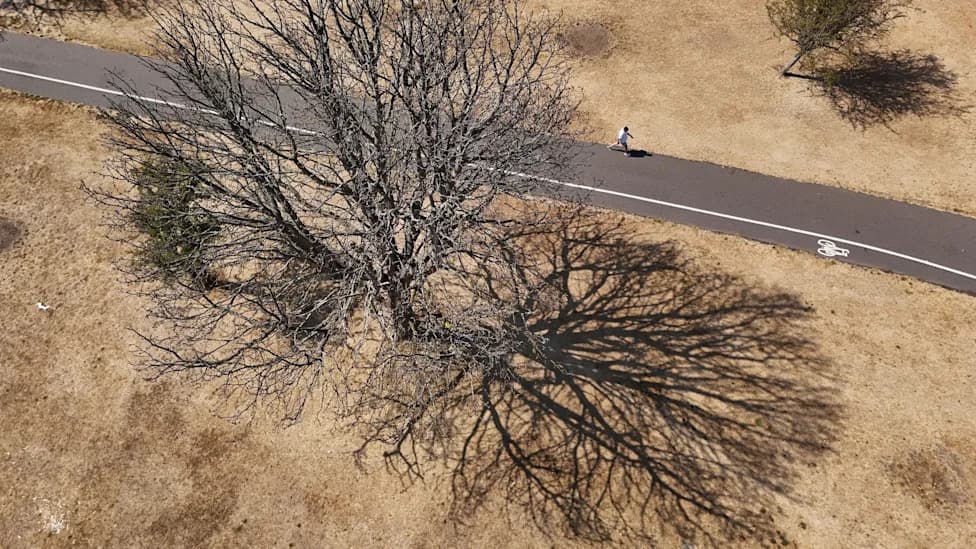
Around France's Château de Chambord this year, the familiar sight of verdant lawns and flowerbeds has given way to yellowing and browned vegetation after repeated heatwaves and prolonged drought left the soil exceptionally dry.
The estate's formal French gardens, long a showcase of precise planting and lush greenery, are showing clear signs of water stress. After several intense heat spells, groundcover and low plants with shallow roots have struggled to recover, and this season some trees are beginning to display stress symptoms.
Julien Billon, the château's head gardener, says: "At first, we didn't really see it on the trees; it was mainly the low vegetation with shallow roots. Now we can see that this heatwave has started to affect the trees' root systems and I think we are going to see damage, but it will be delayed over time. In fact, some trees may take two or three years to decline. But the impact of this year's heatwave is very, very severe."
Beyond the loss of visual splendour, the Domaine national de Chambord faces a strategic shift in how its gardens are managed. With climate change making extreme heat and summer droughts more frequent, traditional horticultural practices and high-water landscaping are increasingly difficult to sustain.
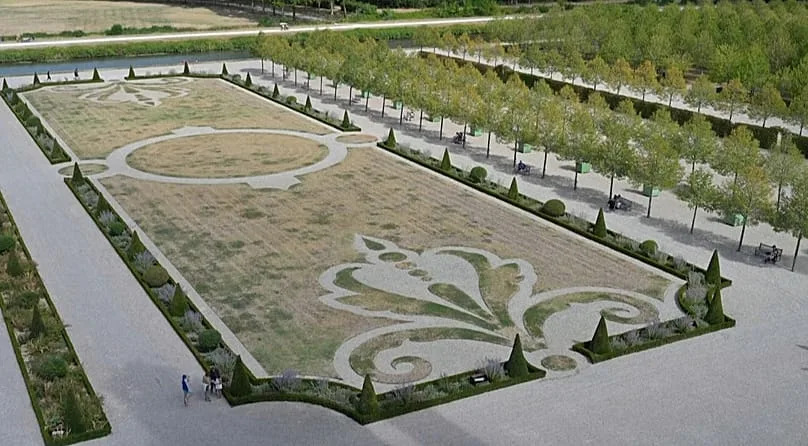
Part of the estate's formal French gardens on 18 August 2026 - Capture vidéo
Adapting the Plant Palette
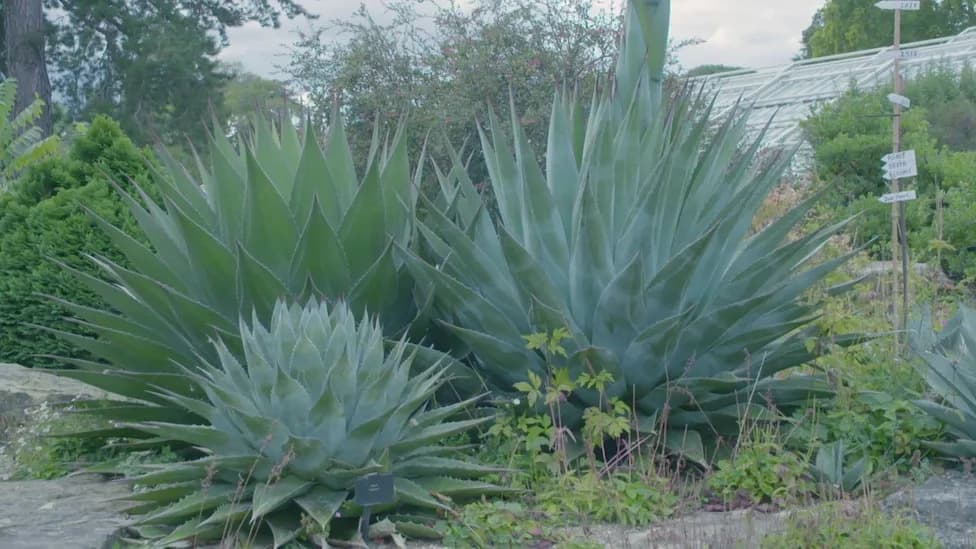
To respond, the estate's teams have launched a comprehensive review of the species planted across the grounds. The goal is to favour plants better able to withstand high temperatures and long periods of water shortage — including xerophytes (drought-adapted plants) and more robust tree species.
Curating a more drought-tolerant palette is a delicate exercise. Gardeners at Chambord must reduce water use while preserving the grandeur, formal structure and visual identity that define these historic gardens. That balancing act will shape a new chapter in nearly five centuries of landscape design at the château.
Photo: Part of the estate's formal French gardens, 18 August 2026.
Help us improve.