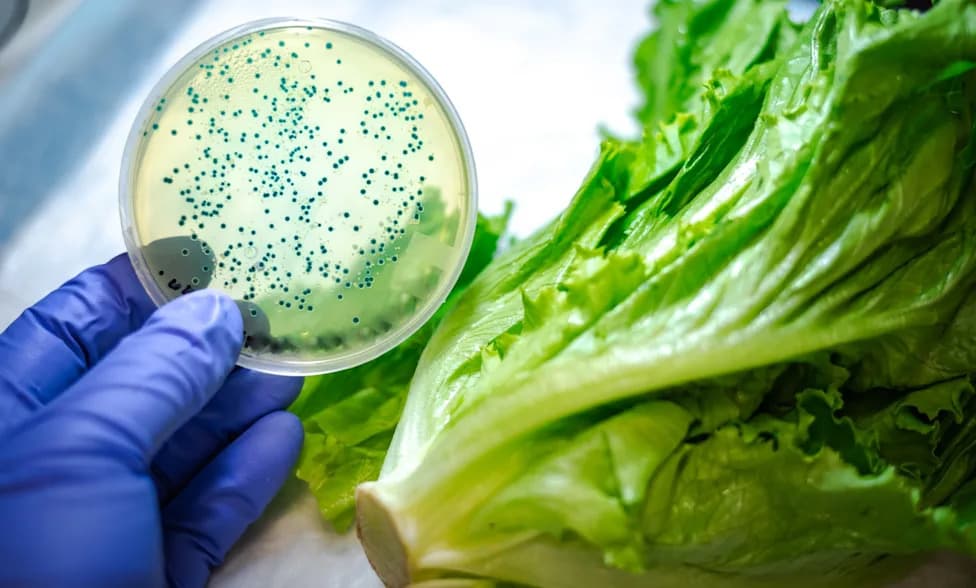
Two recalls involving Taylor Farms this summer — iceberg lettuce linked to a Cyclospora outbreak and prepared foods made with jalapeños tied to possible Salmonella — have renewed scrutiny of the company and U.S. food-safety oversight. Taylor Farms, a major grower-shipper-packer, has been associated with multiple outbreaks over the past two decades. Experts point to large supply chains, limited FDA foreign inspections, and reduced surveillance as factors that complicate traceback and increase risk. The incidents underscore gaps in regulation, transparency, and resourcing that affect consumer confidence.
Taylor Farms Tied to Two Major Summer Outbreaks — What Happened and Who’s Responsible?
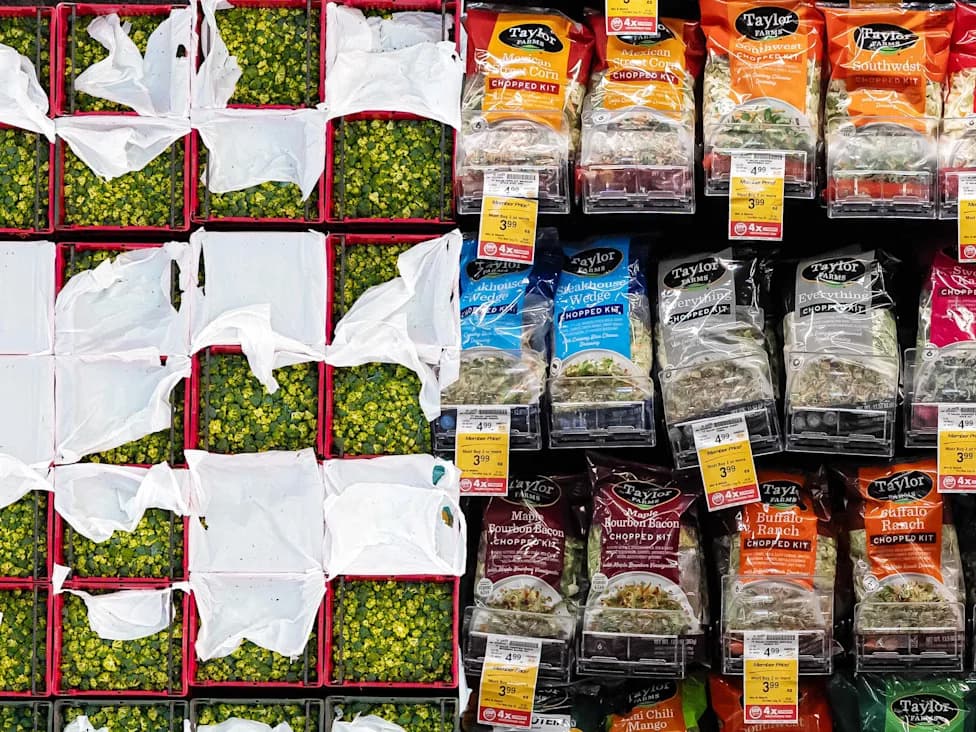
Right: Crates of broccoli at a Taylor Farms facility in Salinas, California, US, on Monday, Aug. 10, 2026. Left: Taylor Farms bagged salad mixes for sale at a grocery store in Hercules, California, US, on Friday, July 17, 2026.Credit: Serious Eats / Getty Images / Bloomberg
Standing in front of a refrigerated display of bagged greens this summer, many shoppers faced the same question: are these products safe? Two recalls tied to Taylor Farms — one for iceberg lettuce and another for prepared foods that contained jalapeños — arrived within weeks of one another, renewing scrutiny of the company's safety record and the U.S. food-safety system.
What Happened This Summer
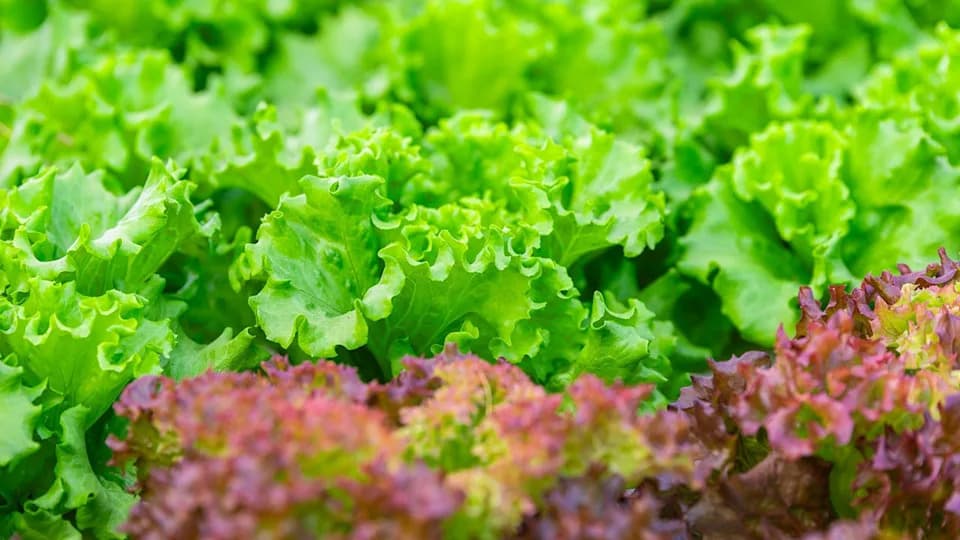
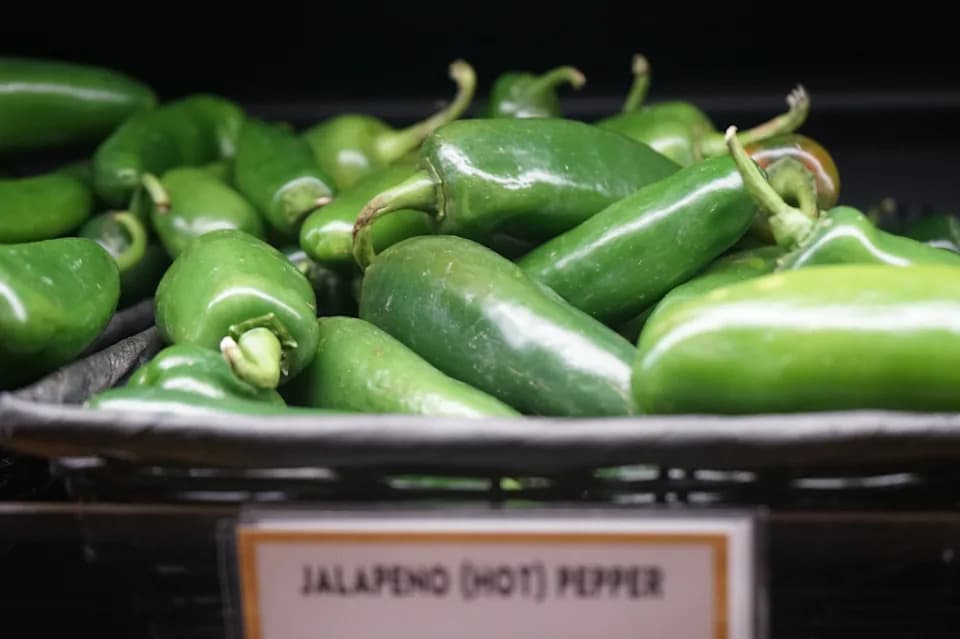
On July 17, Taylor Farms recalled iceberg lettuce after its produce was linked to a nationwide Cyclospora outbreak. Weeks later, on August 9, the company expanded a recall for prepared foods made with jalapeños that were sourced from Coast Citrus Distributors and possibly contaminated with Salmonella; those products were sold at major retailers across 26 states, including Trader Joe’s, Whole Foods, Kroger, and Walmart.
Scope of the Cyclospora Outbreak
According to CDC data cited in media reports, as of August 17 there were 15,716 laboratory-confirmed cases of cyclosporiasis across 17 states, plus 11,841 probable (not yet lab-confirmed) cases — making this the largest recorded Cyclospora outbreak in U.S. history. The cluster linked to Taylor Farms accounted for 9,481 illnesses, 398 hospitalizations, and two deaths as of August 13.
Who Is Taylor Farms?
Founded in 1995 by Bruce Taylor, Taylor Farms is one of the largest fresh-produce companies in the United States. It operates roughly 30 processing facilities, employs about 25,000 people, and reported roughly $6 billion in revenue in its 2024 Social Responsibility report. Taylor Farms says it grows about 25% of the produce it sells and purchases the remainder from other growers; it also produces ready-to-eat salad greens and prepared foods for retailers and foodservice customers.
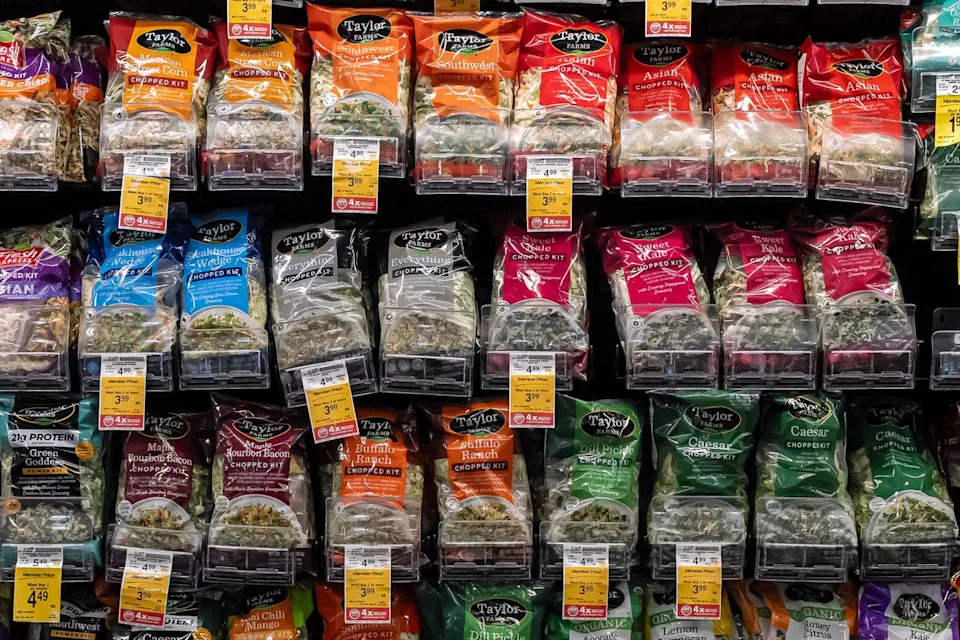
Taylor Farms bagged salad mixes for sale at a grocery store in Hercules, California, US, on Friday, July 17, 2026Credit: Serious Eats / Getty Images
Past Outbreaks And Recalls
Over the last two decades Taylor Farms has been linked to multiple outbreaks and recalls. Notable events include:
- 2013: A Cyclospora outbreak tied to a bagged salad mix processed by Taylor Farms sickened people in multiple states.
- 2015: A diced celery-and-onion blend tied to an E. coli outbreak across seven states was distributed by Taylor Farms.
- October 2024: An E. coli outbreak linked to onions processed by Taylor Farms served on McDonald’s Quarter Pounders sickened 104 people and caused hospitalizations and at least one death.
- November 2024: An E. coli outbreak tied to romaine lettuce processed by Taylor Farms resulted in illnesses, hospitalizations, and one death.
Why A Large Supplier Is More Likely To Show Up In Outbreaks
Because Taylor Farms supplies large volumes of product nationwide, contamination at a single point — a farm, a processor, or during transportation — can expose many people. As food-safety expert Dr. Darin Detwiler notes, a company that touches large quantities of food is statistically more likely to be connected to outbreaks, though that doesn't automatically prove negligence.
“When a company touches that much food... its statistical exposure to recalls and outbreak investigations is naturally greater,” — Dr. Darin Detwiler.
How Investigations Work — And Why They’re Hard
The CDC leads epidemiological investigations (patient interviews, cluster detection via PulseNet), while the FDA conducts tracebacks and inspects processing facilities. Traceback in a globalized supply chain can be complex: a single lettuce product may involve multiple farms, harvest crews, cooling operations, processors, brokers, distributors, and retailers. Mixed salad kits — where greens come from several farms — make pinpointing the contaminated ingredient difficult.
Investigators often arrive after the implicated product is gone and fields have been rotated, which reduces the chance of finding conclusive environmental evidence. For Cyclospora, some experts have pointed to contaminated irrigation water as a potential source, though definitive attribution can be elusive.
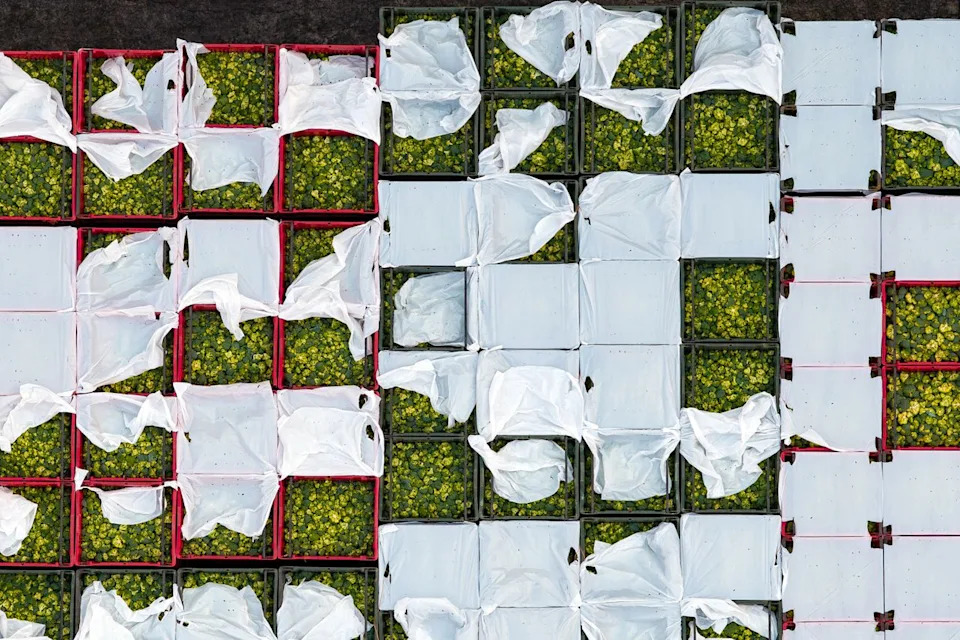
Crates of broccoli at a Taylor Farms facility in Salinas, California, US, on Monday, Aug. 10, 2026Credit: Serious Eats / Getty Images
Regulatory And Resource Gaps
The Food Safety Modernization Act (FSMA) of 2011 shifted the FDA toward prevention-based rules, but implementation has been hampered by limited resources. FSMA set targets for routine foreign inspections (19,200 annually), yet a 2025 Government Accountability Office report found the FDA averaged about 917 foreign inspections per year from 2018–2023 — roughly 5% of the target. In 2024 the FDA had 432 investigators and only about 20 focused on foreign inspections.
Recent staffing and budget cuts, changes to surveillance programs (including FoodNet narrowing its mandated reporting in 2025), and reductions in international water, sanitation, and hygiene (WASH) programs have all been cited by experts as weakening the nation's capacity to prevent and respond to foodborne outbreaks.
Inspection Findings And Enforcement Questions
An October 2024 FDA inspection of Taylor Farms’ Colorado Springs facility documented sanitation deficiencies and environmental Listeria positives, and the agency issued a Form 483. However, the inspection was classified as Voluntary Action Indicated (VAI) rather than Official Action Indicated (OAI), meaning the FDA opted to accept voluntary corrective actions instead of escalating to formal enforcement. Critics argue that more transparency is needed about corrective measures and why formal action was not taken.
Taylor Farms’ Response
Taylor Farms says it spends more than $200 million annually on independently audited food-safety programs and has publicly stated it voluntarily removed potentially implicated products and suspended certain production lines while investigations proceeded. The company has not publicly identified a definitive source of contamination in these incidents or disclosed whether supplier-verification failures played a role.
What Consumers Should Know
Fresh produce lacks a kill step like pasteurization, so prevention at the farm and processing levels is critical. Consumers should follow product recalls and public health guidance, practice good food handling at home, and consider preparing or consuming high-risk ready-to-eat produce soon after purchase.
This report synthesizes public records, agency reports, and expert interviews to explain how scale, supply-chain complexity, and resource constraints complicate outbreak prevention and response — and why accountability and transparency matter for public confidence in the food system.
Help us improve.