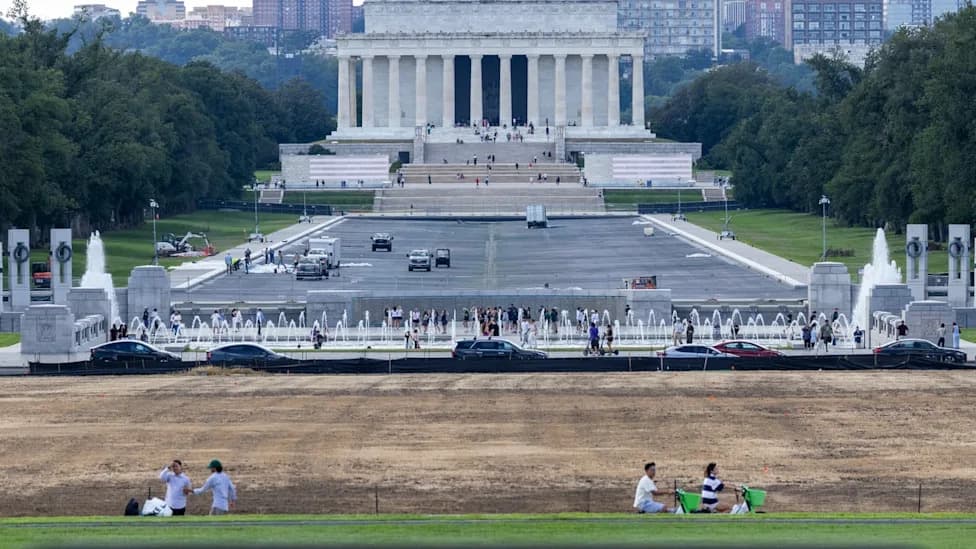
Federal prosecutors asked a court to dismiss the felony vandalism case against former Olympian David Hearn without prejudice, preserving the option to re-file charges. U.S. Attorney Jeanine Pirro argued dismissal with prejudice is unnecessary and that the grand-jury process would protect the defendant if the matter is re-presented. Defense lawyers say public comments by Donald Trump and newly obtained Interior Department documents (about 695 MB) indicate the damage may have been caused by a botched installation rather than vandalism, and they are seeking discovery and a dismissal with prejudice.
DOJ Asks Court To Dismiss Hearn Vandalism Case Without Prejudice, Preserving Option To Re-File
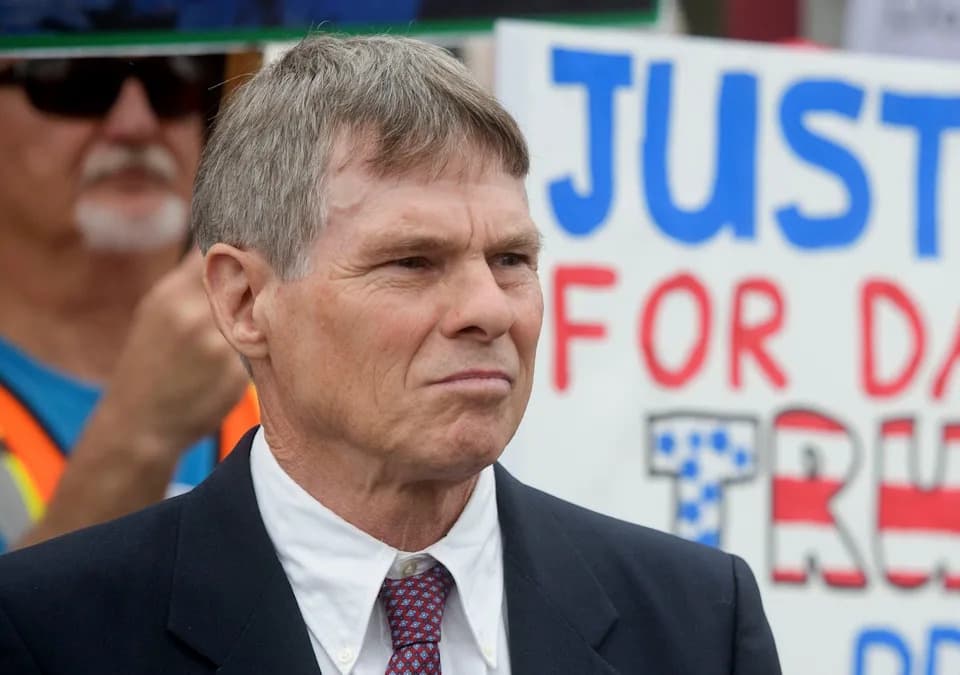
Rod Lamkey/AP Photo, FILE - PHOTO: In this July 9, 2026, file photo, former Olympic canoeist David Hearn listens as his attorney Norman Eisen speak after he pleaded not guilty to allegedly damaging the Lincoln Memorial Reflecting Pool, in Washington, D.C.
Federal prosecutors told a D.C. court on Tuesday they want the felony vandalism case against former Olympic canoeist David Hearn dismissed without prejudice, a move that would allow the Justice Department to re-file charges in the future if new evidence emerges.
In a filing responding to the defense’s request that the case be dismissed with prejudice (which would bar any future prosecution), U.S. Attorney Jeanine Pirro argued that a permanent bar is unnecessary to protect Hearn from possible prosecutorial overreach. The filing noted that, should the government seek to re-present the matter, the grand-jury process would provide “extensive protection to the defendant.”
Earlier this month, Superior Court Judge Todd Edelman dismissed the indictment against Hearn but said he would take additional time before deciding whether the dismissal should be with prejudice. Hearn’s lawyers had asked for a dismissal with prejudice, saying public comments by former President Donald Trump—who criticized the decision to drop charges, calling it a “mistake” and saying the prosecutor “choked”—undercut any meaningful finality and increased the risk of harassment or renewed prosecution.
Hearn was indicted on a felony charge accusing him of damaging the Lincoln Memorial Reflecting Pool. After the indictment, prosecutors said they obtained roughly 695 megabytes of documents from the Department of the Interior. Defense attorneys say those records first revealed that the damage may have resulted from a botched installation by a government contractor rather than from deliberate vandalism, and contend the materials substantially weaken the factual basis for the indictment.
As part of ongoing litigation, Hearn’s defense team has asked Judge Edelman to order the Justice Department to turn over the government’s evidence in discovery so the court can fully assess whether dismissal with prejudice is warranted.
Why This Matters
This procedural fight affects whether Hearn can ever again face criminal charges for the same alleged conduct. A dismissal without prejudice preserves prosecutorial flexibility; a dismissal with prejudice would give Hearn finality and protect him from re-prosecution under double jeopardy principles.
Defense position: Public statements and new Interior Department records show the pool damage likely resulted from a contractor error and that Hearn deserves permanent vindication.
Prosecution position: Dismissing without prejudice is sufficient; the grand-jury and discovery processes protect the defendant’s rights if the case is re-presented.
The court has not yet ruled on whether the dismissal will be entered with or without prejudice, and a decision on discovery requests remains pending.
Help us improve.