Internal emails and survey results introduced at a federal trial in Oakland suggest Meta significantly understated how often teens and other Instagram users encounter harmful content. Whistleblower engineer Arturo Béjar testified that internal exposure estimates were 100–400 times higher than public figures and that he briefed Mark Zuckerberg roughly 100 times. A bipartisan coalition of 29 state attorneys general is seeking damages — reported as high as $200 billion — and structural changes to platform design. Meta says it has taken steps to block underage accounts and reduce exposure, while the trial will hear testimony from Zuckerberg and Instagram CEO Adam Mosseri.
Whistleblower Emails: Trial Shows Meta May Have Understated Teen Harm — Zuckerberg Tied to Internal Findings
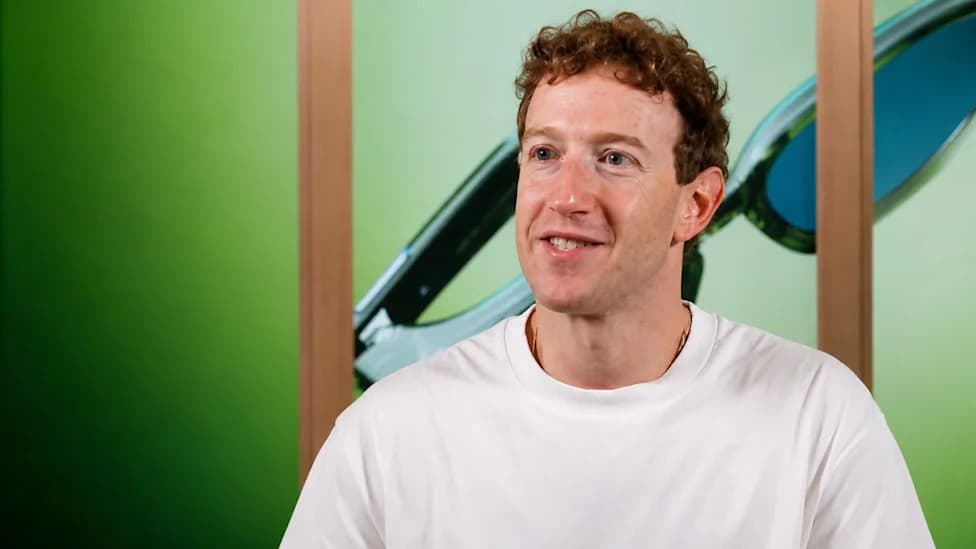
Image: Instagram/Mark Zuckerberg
Internal research and emails introduced at a federal trial in Oakland have exposed a sharp contrast between what Meta publicly said about child safety and what its own internal data reportedly showed. Engineer and whistleblower Arturo Béjar has testified that internal surveys found far higher exposure of Instagram users — particularly teens — to harmful content than the company’s public estimates suggested, and that he briefed Mark Zuckerberg roughly 100 times about those findings.
What The Trial Record Shows So Far
- Internal survey results: Documents presented by prosecutors say 51% of surveyed Instagram users reported encountering harmful content every week, while only 1–2% of those reports led to successful removal of the content.
- Public vs. internal estimates: Meta publicly estimated the rate of teens encountering graphic or violent content at around 0.01–0.02%; Béjar testified the true rate was roughly 100 to 400 times higher.
- Direct briefings to leadership: Béjar testified he briefed Mark Zuckerberg about these findings approximately 100 times and said the company adopted a "don't ask, don't tell" approach to uncomfortable child-safety data.
- Scale of the case: A bipartisan coalition of 29 state attorneys general is pursuing claims that could seek damages reported as high as $200 billion and request court-ordered changes to platform design.
- Key testimony expected: Both Mark Zuckerberg and Instagram CEO Adam Mosseri are scheduled to testify; the trial is expected to run at least six weeks.
Prosecutors' Claims
Using internal emails, engineering documents, and survey data, prosecutors allege Meta deliberately designed features — infinite scroll, autoplay video, beauty filters, and recommendation algorithms optimized for engagement — to increase time-on-platform for young users. They also assert the company collected data from children under 13 without valid parental consent. A federal judge recently denied Meta's motion to dismiss, allowing claims related to addictive design and concealment to proceed.
"The health and wellbeing of kids is a shared responsibility. Meta didn't do its share," California Deputy Attorney General Megan O'Neill told jurors in opening statements.
Meta's Defense
Meta, represented by attorney Paul Schmidt, says it has taken significant steps to protect young users: it reports disabling more than 1 million underage accounts, prohibits under-13 registrations, and has rolled out tools to limit exposure to harmful content. Schmidt acknowledged that social media can present risks for some users but argued the company has worked to address those issues.
Broader Context and Potential Impact
The case builds on disclosures by Frances Haugen in 2021 that first raised questions about whether Meta's leadership prioritized growth and engagement over safety. Béjar's testimony and the newly introduced internal documents add further evidence for prosecutors. Legal analysts say a ruling against Meta could accelerate regulatory scrutiny and platform redesigns industry-wide; even a defense victory would leave a public record of internal findings that could shape policy and public opinion.
Next steps: The trial continues in Oakland with witness testimony and document review expected to unfold over several weeks. Regardless of the outcome, the case has already intensified debate about how social platforms balance engagement, profit, and the safety of young users.
Help us improve.