Summary: An elderly man in his early 80s has admitted at trial to the 1994 murder of Amy Lopez, a US tourist found near Koblenz's Ehrenbreitstein Fortress. Prosecutors say he sexually assaulted her and stabbed her nine times in a secluded room beneath the fortress. Advances in DNA forensics identified a trace on skin fragments; a volunteer saliva sample produced a match that led to his arrest. A final psychiatric opinion is pending and a verdict is expected early next month.
Early-80s Man Admits 1994 Murder Of US Tourist At Koblenz Fortress After DNA Cold-Case Breakthrough
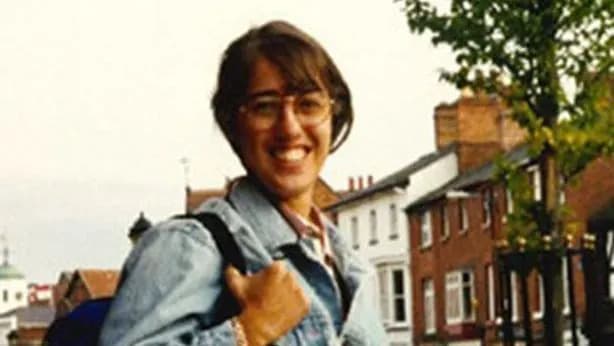
Amy Lopez, 24, from Texas was last seen alive on her way to a historic fortress in Koblenz almost 32 years ago [Hessen Police]
An elderly man in his early 80s has admitted at trial to the 1994 killing of Amy Lopez, a US tourist whose body was found near the Ehrenbreitstein Fortress in Koblenz. The case, which baffled investigators for more than three decades, was reopened after advances in forensic DNA analysis produced a crucial match.
Arrest and Charge
The defendant, identified only as Hans S in line with German privacy rules, was 49 at the time of the killing. He was arrested in February at a retirement home near Koblenz after a DNA trace recovered from Lopez's clothing and skin fragments was matched to saliva he provided during a cold-case investigation. Prosecutors have charged him with murder and say the attack was sexually motivated.
Alleged Crime
According to prosecutors, Lopez was last seen in September 1994 walking toward the Ehrenbreitstein Fortress while on a European tour; her body was discovered at the site about two hours later. Authorities allege the attacker encountered her on the steep path to the fortress, lured her into a secluded area beneath the ramparts known as the General von Aster room, sexually assaulted her and stabbed her nine times.
Trial Proceedings and Evidence
The first day of the trial drew a packed courtroom, reflecting the case's notoriety in the Koblenz region. The defendant entered the hearing using a walking frame. After his defence counsel told the court he acknowledged committing the offence, the presiding judge asked him to confirm that admission and he replied, "Yes."
Investigators credit improvements in forensic techniques with reviving the case. About four years ago, enhanced methods identified a DNA trace on fragments of skin recovered from the victim's trousers. That trace remained in evidence until a dedicated cold-case team, created by Koblenz authorities last year, pursued new leads—public appeals, a national TV feature and the voluntary collection of saliva samples from local residents. One sample taken at a residential home produced a clear match to the DNA found on the victim.
Background And Legal Context
Prosecutors say an expert psychiatric assessment commissioned earlier indicates the suspect was likely criminally responsible at the time of the offence, but they expect a final psychiatric report only after the trial concludes. Records show the defendant had a prior conviction for a sexual offence in 1999, but police at the time lacked sufficient DNA evidence to link him to the 1994 killing. A verdict is expected early next month.
Defense counsel told the German news agency DPA that the case had "weighed heavily" on the defendant and that he provided a saliva sample while seeking closure.
This renewed prosecution underscores how modern forensic methods and persistent cold-case efforts can reopen long-dormant investigations and bring new evidence to light—even decades after a crime.
Help us improve.