The AMA and the Digital Medicine Society released a framework urging that physicians remain central to patient care as AI tools evolve, emphasizing human connection, clinical judgment, and stewardship. A JAMA opinion counters that autonomous AI could outperform clinicians on many cognitive tasks by 2030 and urges urgent policy planning on liability, reimbursement, and education. Regulators like the FDA are exploring new assessment approaches, but major questions about error accountability and payment remain unresolved.
AMA Framework: Doctors Must Remain Central as Medical AI Advances — A New Policy Debate

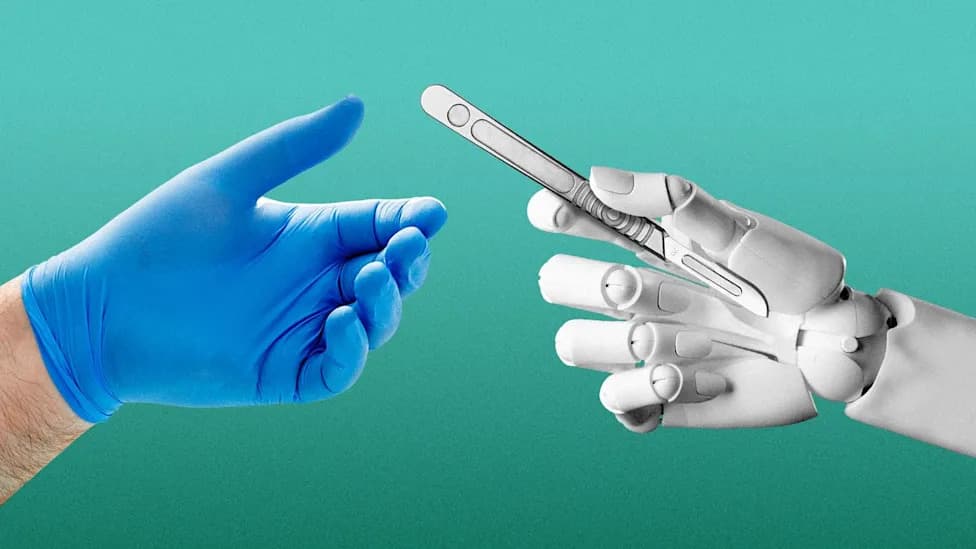
Illustration: Lindsey Bailey/Axios
The American Medical Association (AMA), together with the Digital Medicine Society, has published a new framework insisting that physicians remain central to patient care as artificial intelligence reshapes medicine. Shared first with Axios, the framework stresses adaptation to new tools while preserving core human responsibilities in clinical practice.
Why This Matters
The question of whether AI will replace clinicians is intensifying. The AMA argues patients must keep clinicians "in the loop" because human connection, clinical judgment, and ethical stewardship cannot be fully automated—especially in high-stakes settings.
What the Framework Says
"Individual tasks will evolve as technology advances, but the physician's enduring responsibilities remain remarkably stable," the framework states. It highlights three enduring duties: maintaining therapeutic relationships with patients, exercising nuanced clinical judgment, and ensuring responsible use of technology across care delivery.
"As it is today, physicians have to be in the loop. We're talking about the delivery of health care to people," said AMA CEO and Executive Vice President John Whyte. "Do you really want to go to the ER and be treated by an LLM if you have chest pain? I don't think so."
Counterargument From JAMA
A provocative opinion in JAMA argues the opposite: autonomous AI could soon outperform clinicians on many cognitive tasks. The authors — including Zeke Emanuel — predict that by 2030 some AI systems may be ready for real-world cognitive medical tasks and call for urgent work on workflow design, liability, regulation, reimbursement, and medical education.
The JAMA piece lists five cognitive tasks where generative AI already "rivals or outperforms" clinicians: gathering patient information, diagnosing, selecting diagnostic tests, prescribing treatments, and chronic-disease management. It also warns of "AI-induced deskilling" if clinicians increasingly delegate routine cognitive work to machines.
Regulatory and Policy Gaps
Regulators are beginning to respond. This week the Food and Drug Administration released a discussion paper proposing assessment approaches for generative AI–enabled medical devices that echo how physicians might be evaluated. Still, major questions remain unresolved: who is liable for AI errors, how to reimburse AI-guided care, and how to certify safe deployment at scale.
What We'll Be Watching
Key developments to monitor include real-world pilots of autonomous AI care (some regions, like Utah, appear poised for rapid adoption), regulatory guidance from agencies such as the FDA, and policy decisions on liability, reimbursement, and medical education reforms to prepare clinicians for an AI-augmented future.
The debate centers on balancing innovation with patient safety: integrating powerful AI tools while preserving human judgment, empathy, and accountability in medicine.
Help us improve.