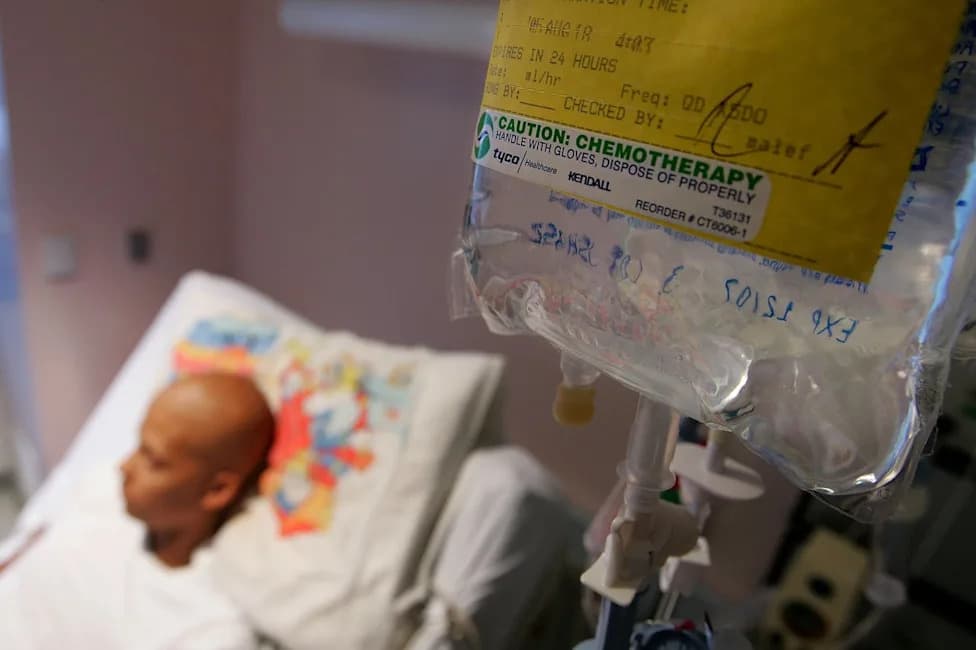
A new American Cancer Society analysis of more than 7.5 million cancer cases (2011–2019) finds that U.S. counties with higher medical-debt rates have a larger share of Stage IV diagnoses and lower five-year survival. Debt rates across counties ranged from 0% to 56% (median 18%). Advocates warn financial strain causes many patients to delay or skip screening and treatment. Authors and patient groups call for policies to expand affordable care, screening, and debt-relief programs to improve outcomes.
Study: Counties With Higher Medical Debt See Later Cancer Diagnoses And Lower Survival
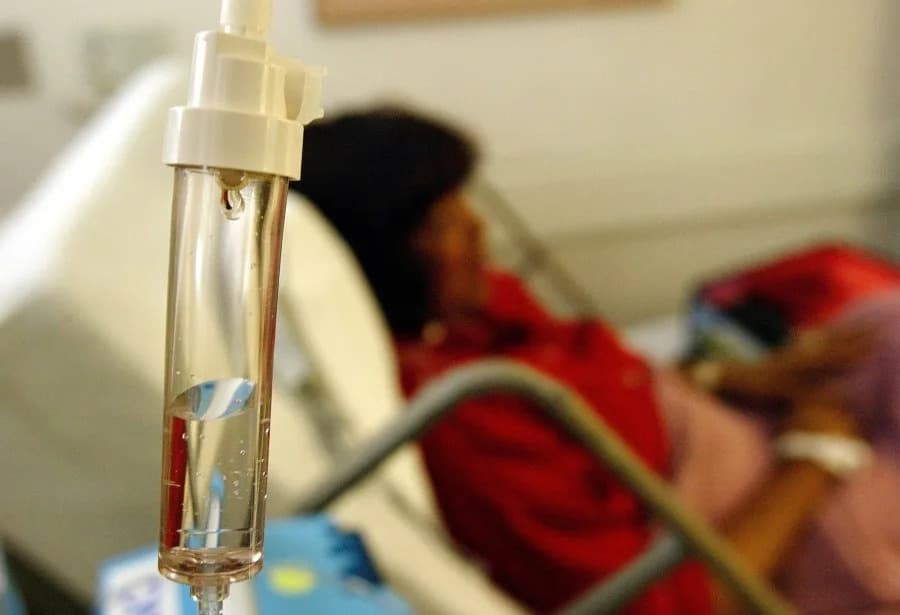
Cancer study: Patients in areas with higher medical debt face grimmer futures
A major analysis from the American Cancer Society finds that cancer patients who live in U.S. counties with higher rates of medical debt are more likely to be diagnosed at advanced stages and face lower five-year survival rates.
Large Analysis Links Debt Burden To Worse Cancer Outcomes
Researchers examined records for more than 7.5 million people diagnosed with cancer from 2011 through 2019 and compared those cases to county-level medical debt ratios. Across counties, medical debt rates ranged from 0% to 56%, with a median of 18%.
The analysis shows that counties with the highest medical-debt burdens had the largest share of patients diagnosed with Stage IV (metastatic) cancer and recorded the lowest five-year survival rates. Advocates and researchers say financial strain can lead patients and survivors to delay or forgo screening, diagnosis, and treatment, which can result in worse clinical outcomes.
"This study highlights the impossible choices too many people in the U.S. face between meeting basic needs and paying for health care," said Lisa Lacasse, president of the American Cancer Society Cancer Action Network. "Those pressures can delay or prevent cancer screenings and treatment, leading to worse outcomes, while medical debt often remains even after care is postponed."
Lead study author Dr. Xuesong Han noted that future research should examine the health-care options available to patients with cancer and how local resources influence outcomes. He and other experts say the findings point to a clear need for policies and programs that expand access to affordable screening and treatment, reduce medical debt burdens, and support early detection efforts.
What This Means
The study underscores the intersection of economic hardship and health: heavier local medical debt burdens appear to be associated with later-stage diagnoses and reduced long-term survival. Public-health interventions—such as expanded coverage, targeted screening in hard-hit communities, and programs to alleviate medical debt—could help improve early diagnosis rates and survival outcomes.
Data source: American Cancer Society study of >7.5 million cancer cases (2011–2019). County medical-debt rates reported ranged from 0% to 56% (median 18%).
Help us improve.