The Los Angeles mayoral campaign briefly shared a poll posted by a previously unknown group, Median Strategies, that claimed Mayor Karen Bass led Nithya Raman by about 12 points before the organization admitted the results were fabricated. Major poll aggregators excluded the releases for lacking basic methodological transparency, and Median later withdrew all polls and took its site offline. The false release briefly influenced trading on prediction markets, and the identities and motives behind Median Strategies remain unknown.
Fake 'Median Strategies' Polls Expose Dangers of Unvetted Election Surveys
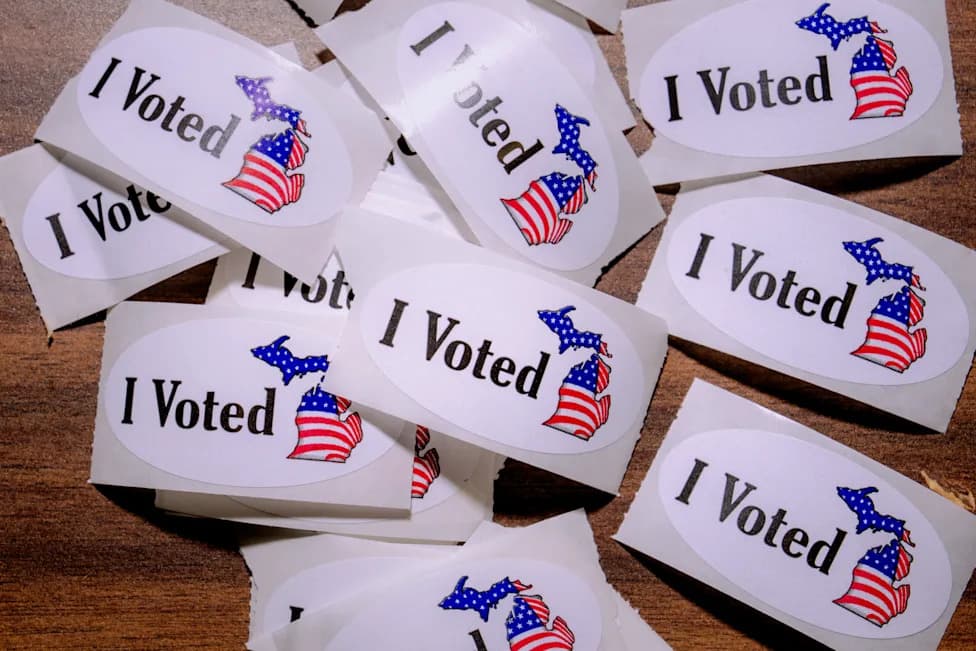
A close-up view of "I Voted" stickers at Maples Elementary School on primary election day, Tuesday, Aug. 4, 2026, in Dearborn, Mich. (AP Photo/Nic Antaya) CORRECTION: Corrects location to Dearborn NOT Detroit
Locked in a tight reelection contest, Los Angeles Mayor Karen Bass recently amplified a newly posted poll on social media as evidence her campaign was "gaining momentum." A few days later the poll was exposed as fabricated — one of at least three bogus surveys published this month by a previously unknown group calling itself Median Strategies.
The organization later told the Los Angeles Times that the results were not genuine and said, before taking its website offline, that the project had been "created as a short-term social experiment examining how purported polling information could enter and spread through the political information ecosystem without independent verification." The group offered no explanation of who organized the experiment or what their ultimate goals were.
Why This Matters
This episode is a cautionary reminder of how easy it has become to manufacture convincing-looking polling data and circulate it quickly online. Even professional campaigns and media outlets can be caught off guard when a polished-looking release lacks the standard transparency needed for vetting.
"This is much bigger than one fake poll," said Chris Wilson, a veteran Republican pollster who leads the public opinion firm EyesOver. "It's never been easier to make invented numbers look legitimate, and campaigns and outside groups have every incentive to amplify anything favorable before anyone verifies it."
Median Strategies posted results it said measured voter preferences in the Democratic primary for Wisconsin governor, the Nevada gubernatorial race and the Los Angeles mayoral contest. The Los Angeles release claimed Bass led councilmember Nithya Raman by roughly 12 percentage points. The Bass campaign shared the figure on social media and later deleted the post after the survey was revealed as bogus.
Missing Transparency
Major independent poll-aggregation services — including The New York Times' election data team, RealClearPolitics and FiftyPlusOne — excluded Median's releases because the polls lacked basic methodological information. Will Davis, director of Election Data Analytics at The New York Times, noted the release "lacked basic information about how it was conducted and who was behind it." Mary Radcliffe, Head of Research at FiftyPlusOne, said the Wisconsin methodology statement omitted key details such as the voter-file source and the vendor used to field part of the sample.
Without those details, credible aggregators and reporters will not include a survey in their databases. As Radcliffe put it, "This is an industry built on trust. I have to trust that people are answering my questions in good faith." Median did not supply answers to follow-up questions and later withdrew the releases.
Market Effects And Motive Questions
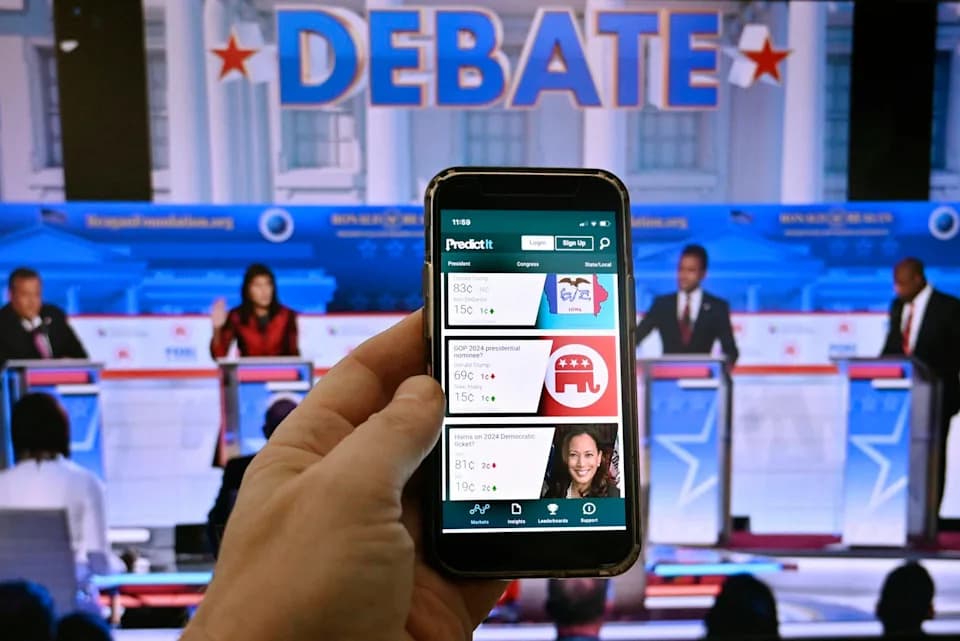
The fabricated releases also briefly moved activity on prediction markets. After Bass shared Median's Los Angeles numbers, Kalshi's price for a "yes" contract on Bass winning the mayoral race rose about two cents (from roughly $0.63 to $0.65) within 15 minutes. On Polymarket, about 20 separate accounts made trades totaling thousands of contracts in Bass's favor shortly after the tweet. Prior trading had been thin.
Before it was taken offline, Median Strategies' website denied that any individual involved had held or traded positions in prediction markets tied to the races it covered. The site later posted that the project had concluded, withdrew its prior releases and asked that those releases "not be cited or treated as genuine polling data." The identities of the people behind Median Strategies remain unknown.
Context And Precedent
Admissions of fabricated polling are rare but not unprecedented. In 2010, Daily Kos said polling conducted for it by Research 2000 was fraudulent. More commonly, polls are published with minimal methodological details, or by campaigns and outside groups with partisan aims, which complicates efforts to assess their credibility. High-quality surveys typically rely on costlier methods such as randomized sampling, and those standards are important for trustworthy results.
The Associated Press noted that it verifies polls for transparency and methodological rigor before reporting. Even verified polls have margins of error and limitations, so findings should always be interpreted cautiously.
More than a week after Median began posting results, the motives and identities behind the operation remain unclear. The incident highlights the continuing need for transparency, verification and skepticism when evaluating polling data circulated online.
AP reporters Linley Sanders and Michael Reo in Washington, Scott Bauer in Madison, Wisconsin, and Michael Blood in Los Angeles contributed to this report.
Help us improve.