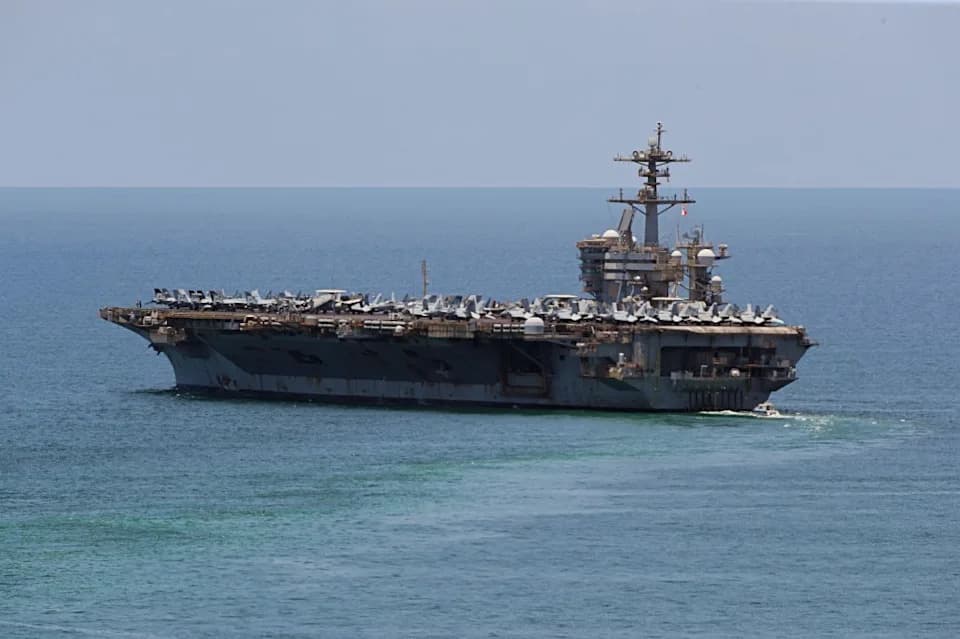
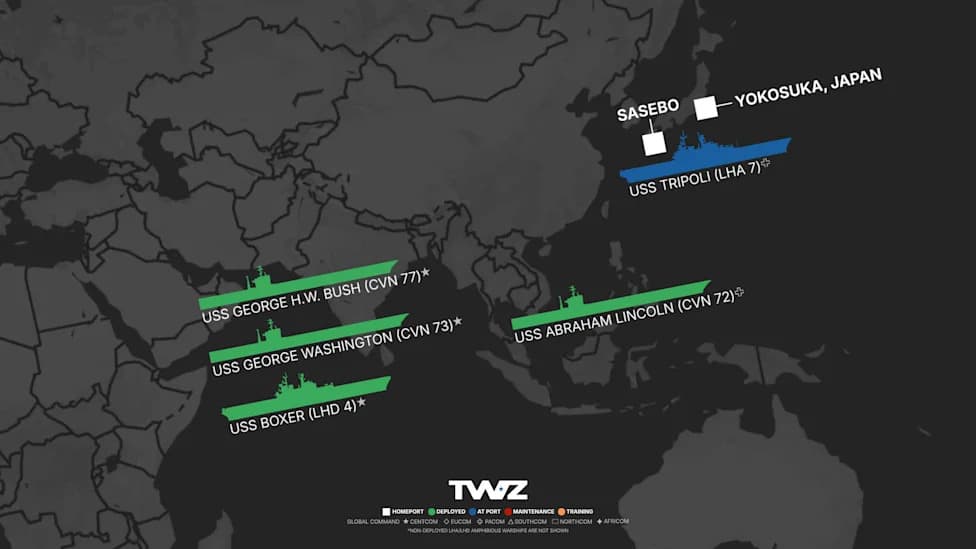
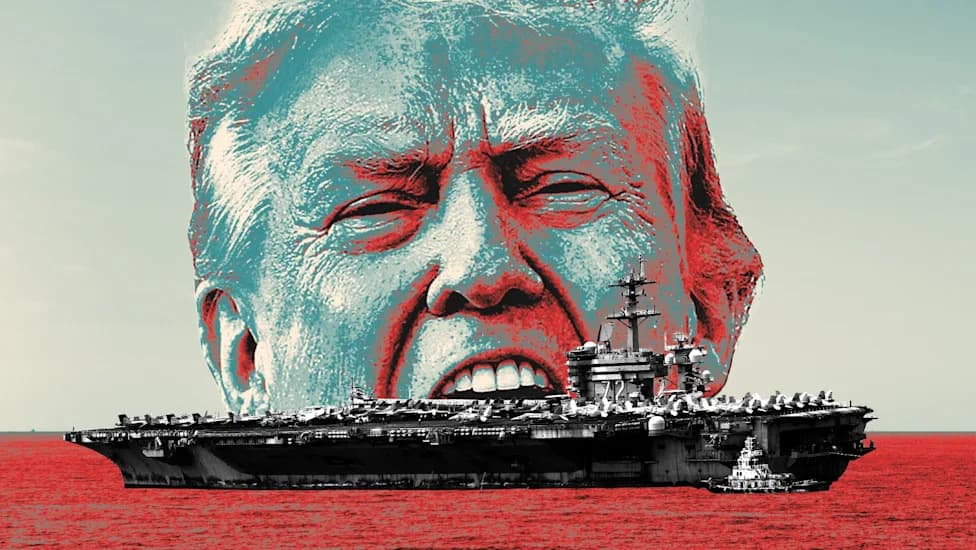
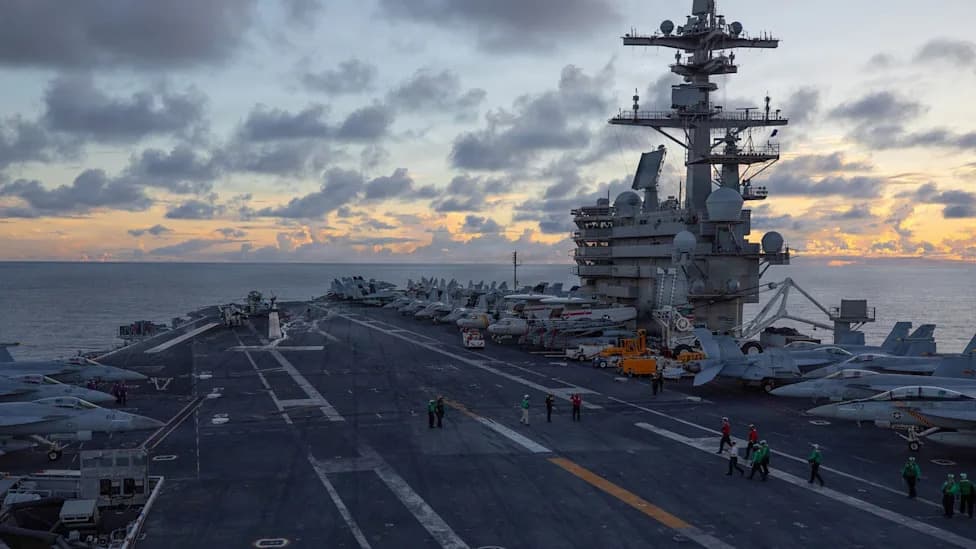
The USS George Washington is being redeployed from the Pacific to the Middle East to relieve the USS Abraham Lincoln, prompting a former commander to warn the move could weaken U.S. deterrence in the Indo‑Pacific. Reports of dwindling supplies and mental‑health strains among roughly 5,000 personnel aboard the Lincoln have intensified scrutiny of life aboard deployed carriers. Critics say prolonged operations tied to the Iran conflict may overstretch the Navy and reduce readiness for a potential confrontation with China. The George Washington transited Guam, the Philippine Sea and Da Nang this summer before moving through the Singapore and Malacca Straits toward the Indian Ocean.
Retired Admiral Warns Moving USS George Washington to Middle East Could Weaken Indo‑Pacific Deterrence
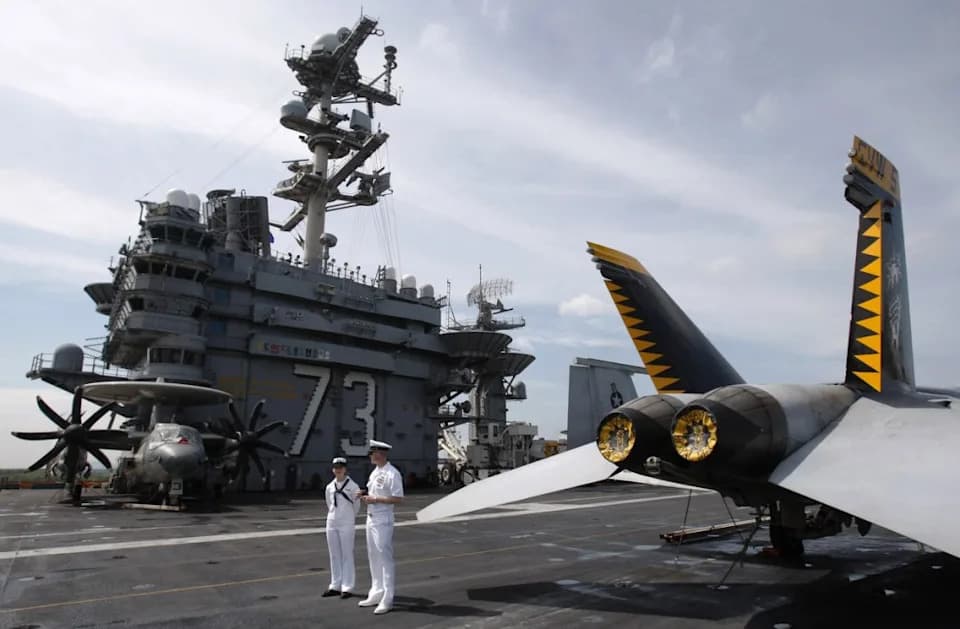
U.S. Navy sailors stand guard on the deck of USS George Washington in Port Klang, Malaysia, on October 7, 2012.
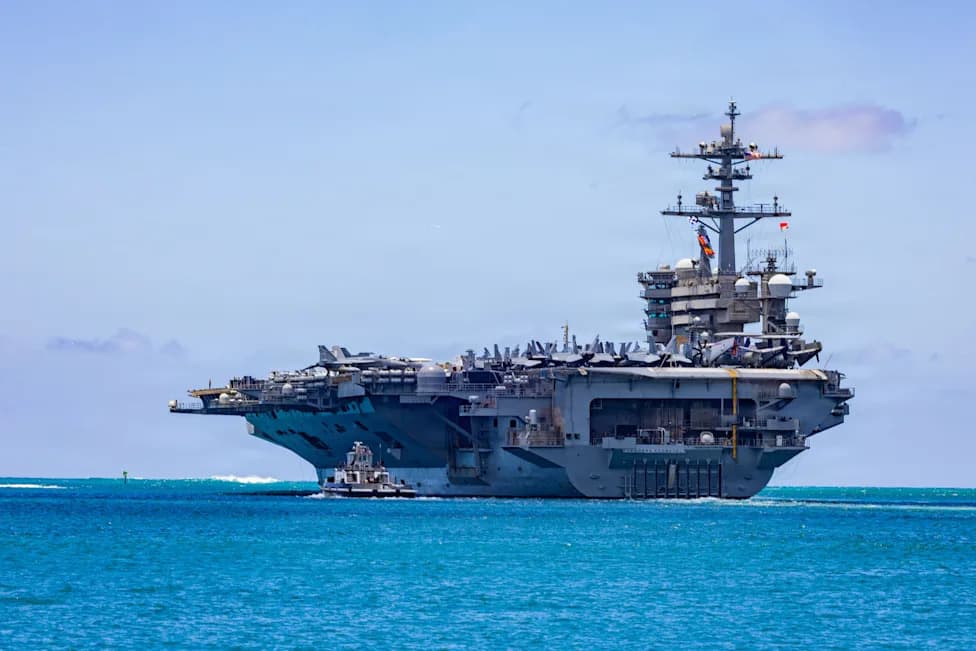
Moving the aircraft carrier USS George Washington from the Pacific to the Middle East to relieve the USS Abraham Lincoln has prompted warnings from a former carrier commander that the redeployment could create a national security risk for the United States by reducing naval presence in the Indo‑Pacific.
What Happened
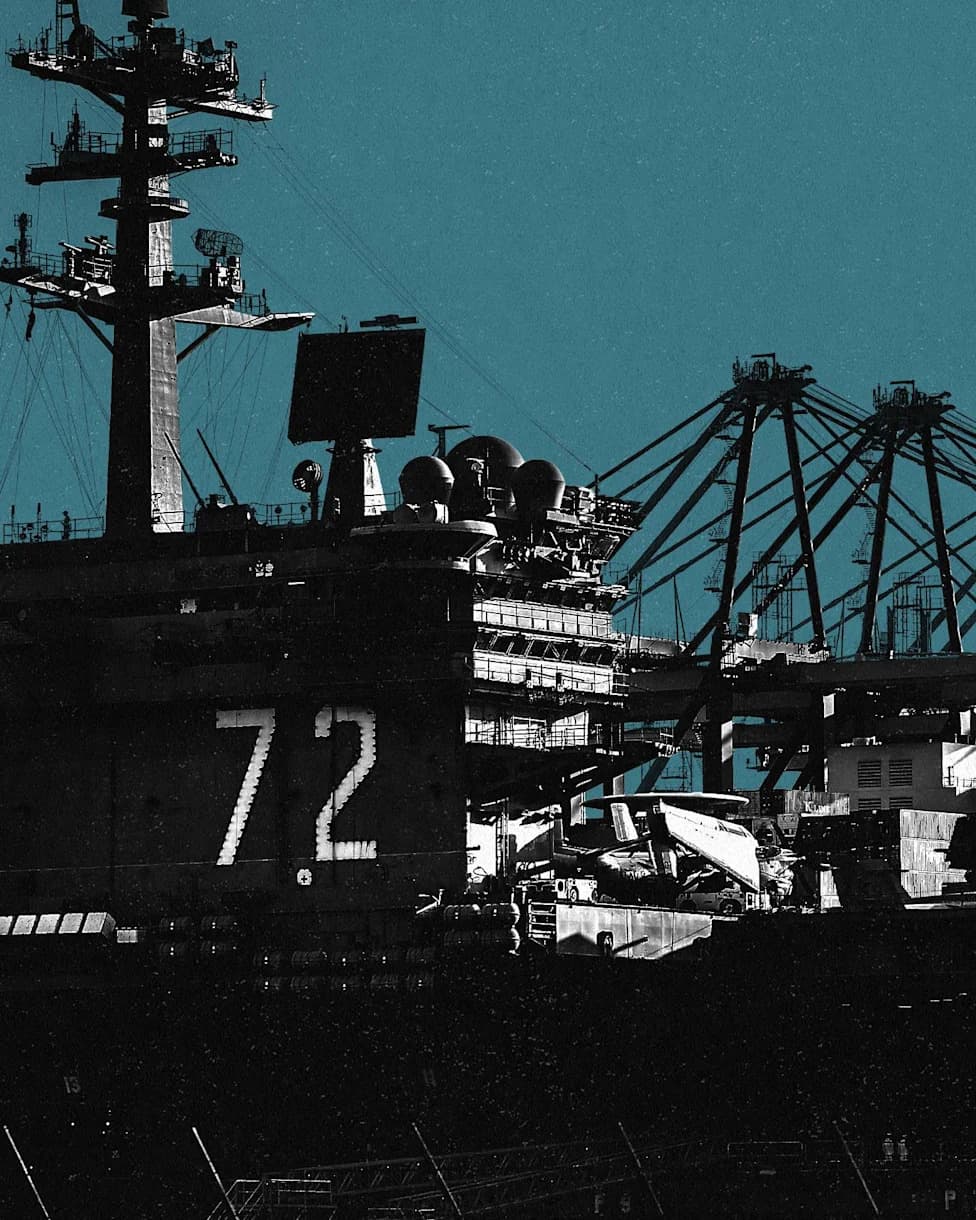
The George Washington is slated to relieve the Abraham Lincoln. The Lincoln has drawn scrutiny after reports that supplies are dwindling and that roughly 5,000 sailors and Marines aboard have not been ashore since December, raising concerns about living conditions and crew morale.
Former Commander’s Warning
Retired Rear Admiral Mark Montgomery, who once commanded Carrier Strike Group 5 and led operations for U.S. Pacific Command, said redeploying the George Washington to the Gulf would leave the U.S. with a "limited naval presence" in the Indo‑Pacific for more than 18 months because the carrier will require a maintenance period after the Middle East deployment.
"This is a national security risk as it sends a weak deterrence message to China and does not assure America's allies and partners in the Pacific," Montgomery, now with the Foundation for Defense of Democracies, told Newsweek.
Strategic Implications
Analysts and critics argue that prolonged U.S. naval commitments related to the conflict with Iran have stretched the fleet and could reduce readiness for a potential confrontation with China. China’s navy now operates more ships than the U.S. Navy, and Beijing has invested heavily in long‑range missiles and other advanced capabilities. Some experts say Beijing benefits when U.S. attention and forces are divided.
Official Responses
The White House referred questions to the Pentagon, which declined to comment on matters it said could compromise operational security. The Navy referred queries to U.S. Pacific Command; Newsweek and other outlets have contacted Pacific Command for comment.
Recent Movements
According to U.S. Navy statements and news reports, the George Washington was in Guam in mid‑June, was tracked operating in the Philippine Sea in early July, made a scheduled port call in Da Nang, Vietnam, on July 30, and later transited the Singapore Strait and the Strait of Malacca toward the Indian Ocean. When the Abraham Lincoln was redirected to the Middle East, it also transited the Strait of Malacca on its way toward the Indian Ocean.
Broader Context
The debate over carrier redeployments occurs against a backdrop of renewed focus on Indo‑Pacific deterrence, U.S. calls for allies to increase defense spending, and periodic U.S. policy shifts that have at times unsettled partners in East Asia. Observers caution that maintaining credible forward naval presence is central to reassuring allies and deterring aggression in the region.
Reporting: Newsweek (Ben Kelly, Sam Wilson). Sources include U.S. Navy statements and Associated Press reporting.
Help us improve.