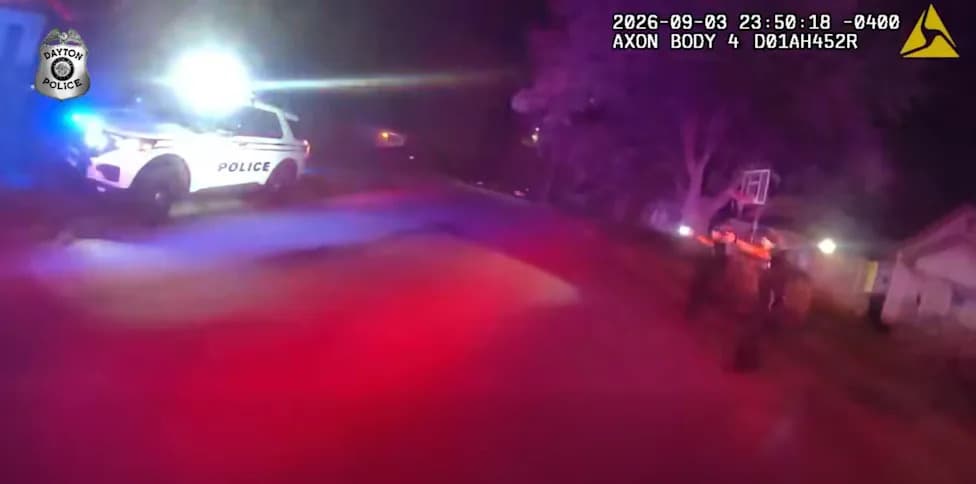
The estate of 19-year-old Amir Jordan has sued the City of Cincinnati, alleging that a misclassified 911 call triggered a Priority 1-Red police response that resulted in a fatal crash on Aug. 29, 2024. The complaint says dispatchers learned no one was shot but failed to update responding officers, leaving only minutes to slow the response. An affidavit and internal emails cited in the suit allege ECC leadership hid systemic errors and avoided creating public records. The estate seeks damages and court-ordered reforms to ECC protocols and oversight.
Lawsuit Says Cincinnati 911 Misclassification Led To High-Speed Police Response That Killed 19-Year-Old Amir Jordan

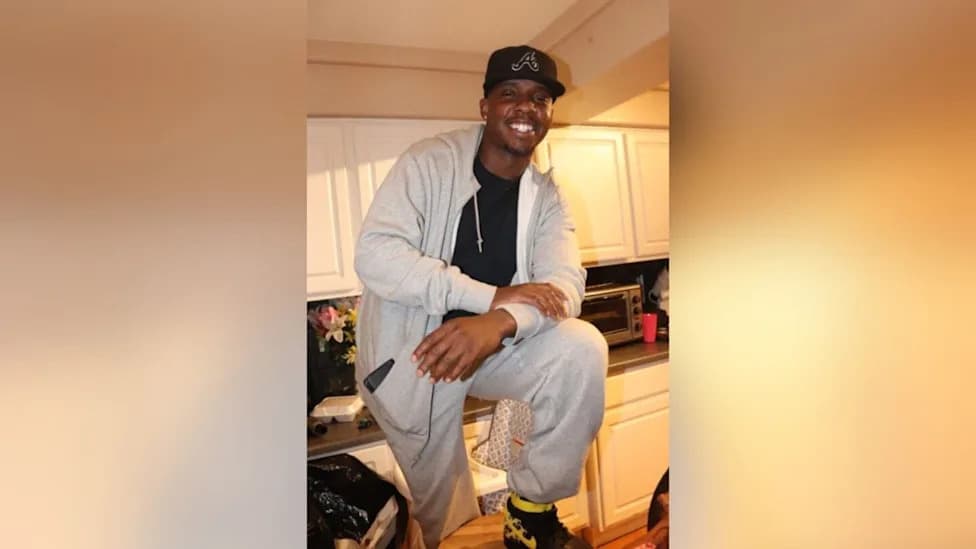
Amir Jordan died after he was struck by a police cruiser in Spring Grove Village in 2024.
A new lawsuit filed in Hamilton County accuses Cincinnati's Emergency Communications Center (ECC) of systemic failures that led to the death of 19-year-old Amir Jordan. The complaint alleges dispatchers left what should have been a routine property-damage report coded as a Priority 1-Red "shooting," prompting an urgent lights-and-sirens police response during which an officer struck and killed Jordan.
What the Lawsuit Alleges
The suit, filed Aug. 18 by Jordan's mother, Shenee McClendon, alleges the initial caller reported "damage to a vehicle windshield and a firearm discharge." The call taker marked the incident as a shooting that "just occurred" and assigned the highest-priority response. The first call disconnected, but when call takers phoned back they learned no one had been shot and the alleged shooter had left the scene; the Priority 1-Red designation and the shooting classification were not changed.
The complaint says dispatchers knew the situation was no longer an active shooting and failed to update responding officers. The call taker had exactly six minutes and seven seconds between learning no one was shot and the moment Jordan was killed; the suit notes that even waiting until confirmation the alleged shooter had left would have left four minutes and 40 seconds to reduce the urgency of the response.
Allegations of Concealment and Systemic Failures
The estate's lawyers — Zachary Gottesman, Robb Stokar and Thomas Bruns — cite internal emails and a sworn affidavit from former ECC administrative assistant Martha Murrell. Murrell says she was ordered to take handwritten notes at meetings because ECC Director William Vedra prohibited electronic recordings, warning that recordings would create public records. She says those notes were later used to produce "inaccurate and/or incomplete" meeting minutes.
"One of the recurrent topics was ongoing human and system-wide failures of the ECC including... incidents where an ECC employee or employees performed their duties in a manner that created an increased likeliness of death or injury," the affidavit states.
The complaint also alleges leadership used informal "Determinant Drift Reports" — a term not found in ECC policy — to document errors in ways that could avoid Ohio public-records law. The suit says the city generated just one agency liability report between March 1, 2021, and Dec. 31, 2024, and that no such report was produced in connection with Jordan's death.

Amir Jordan died after he was struck by a police cruiser in Spring Grove Village in 2024.
Defendants, Context And Requested Remedies
The lawsuit names the City of Cincinnati, City Manager Sheryl Long, ECC Director William Vedra, two other ECC leaders and the two call takers who handled the Aug. 29 call. The complaint also accuses ECC leadership and city officials of conspiring to "mislead the family, and evade responsibility" by concealing the true cause of Jordan's death.
Jordan was struck and killed on Aug. 29, 2024, shortly after stepping off a Metro bus on Este Avenue in Spring Grove Village. Earlier that month, on Aug. 5, the city renamed a street near the site in Jordan's honor; the press release said he was "struck by a vehicle" but did not identify the vehicle as a police cruiser.
The ECC has been under outside oversight after a prior tragedy: three years earlier, Cincinnati settled for $6 million with the family of 16-year-old Kyle Plush, who died after becoming trapped in a van despite calling 911. That settlement required five years of outside oversight of the 911 center.
The estate seeks damages in excess of $25,000 and asks the court to order supervised reforms to ECC call prioritization, classification, dispatch, agency liability reporting, training, supervision, auditing and quality-assurance systems to prevent similar deaths.
City Response
The city typically declines to comment on pending litigation. The Enquirer requested a statement; the city will likely respond in court as the case proceeds.
Help us improve.