Everett, a 16-month-old from Birmingham, Alabama, is the first patient at Boston Children’s Hospital to receive Otarmeni, an FDA-approved gene therapy that delivers a working OTOF gene to inner-ear cells. Regeneron is offering the treatment free to U.S. patients, though families still face travel and monitoring requirements. Clinical-trial data showed roughly 80% of participants improved within six months and 42% reached normal hearing within a year. Everett is recovering after an outpatient infusion into the cochlea and his parents report early signs of increased awareness.
16-Month-Old Becomes First Patient at Boston Children’s to Receive FDA-Approved OTOF Gene Therapy
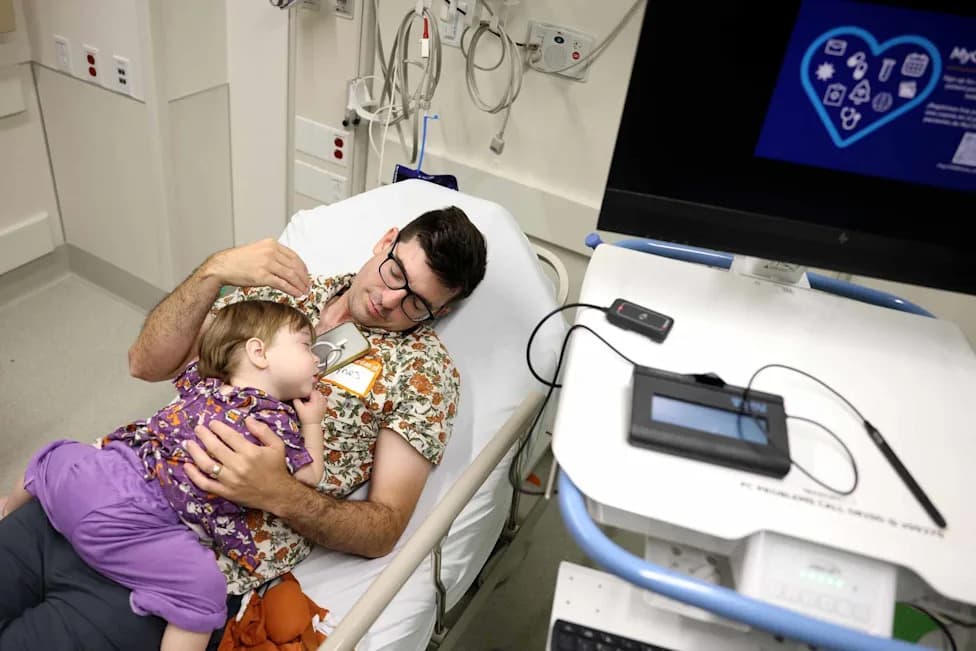
Andrew Tynes with his 16-month-old son, EverettCredit: Jessica Rinaldi/The Boston Globe via Getty
Everett, a 16-month-old boy from Birmingham, Alabama, is the first patient at Boston Children’s Hospital in the U.S. to receive Otarmeni, an FDA-approved gene therapy that aims to restore inherited hearing loss caused by mutations in the OTOF gene.
Born in 2025 to parents Leah Hamel and Andrew Tynes, Everett failed multiple newborn hearing screens despite no family history of hearing loss. After months of evaluations and unsuccessful fitting with hearing aids, genetic testing around his first birthday identified auditory neuropathy spectrum disorder (ANSD) due to an OTOF gene mutation.
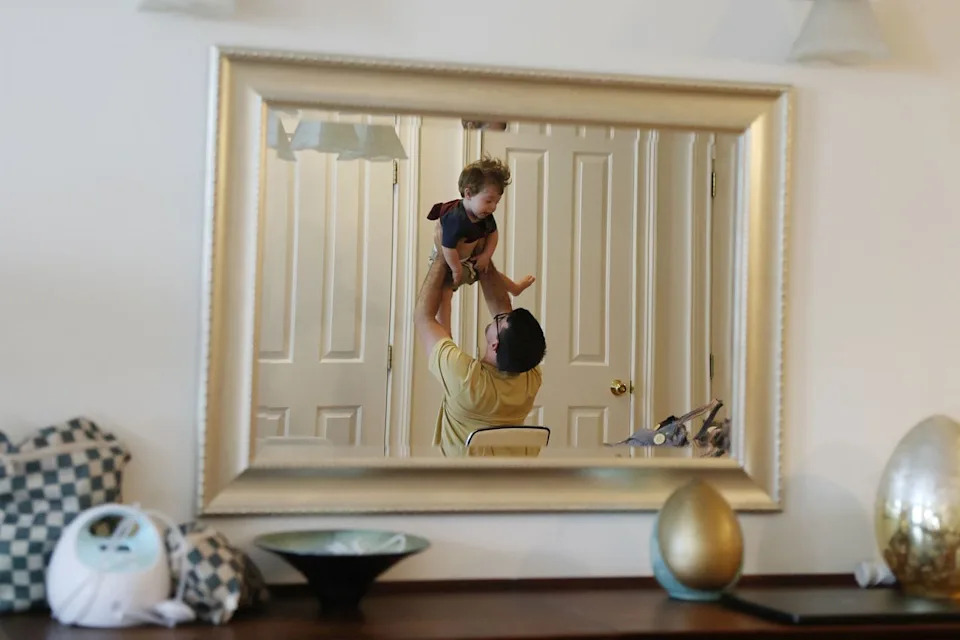
Andrew Tynes plays with his 16-month-old son EverettCredit: Jessica Rinaldi/The Boston Globe via Getty
What Otarmeni Does
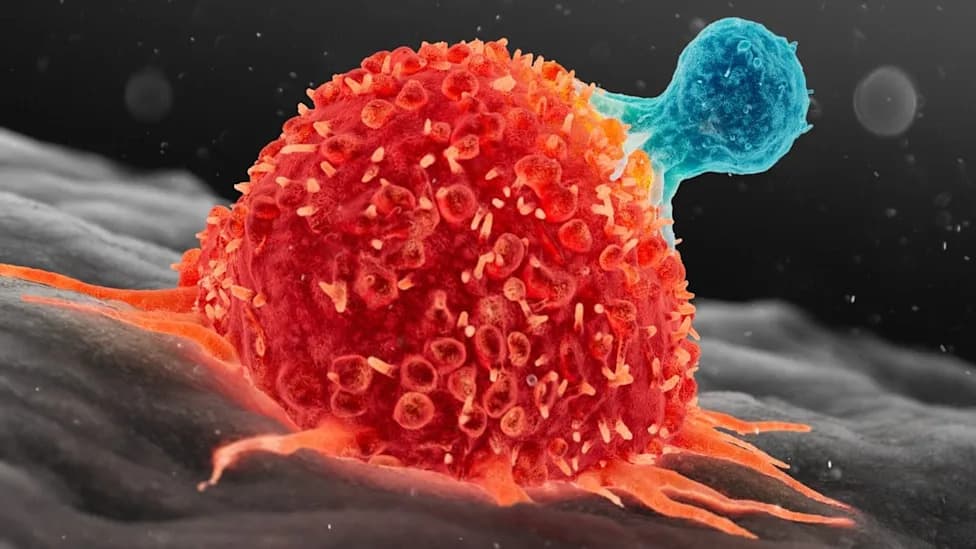
Otarmeni, developed by Regeneron, delivers a functional copy of the OTOF gene to inner-ear cells so they can produce a protein necessary to transmit sound signals from the cochlea to the brain. The therapy is intended to restore a more natural pattern of hearing by enabling thousands of native inner-ear cells to respond to different frequencies — unlike cochlear implants, which rely on about 20 electrodes to stimulate the auditory nerve.
The Procedure and Early Results
In early August, Dr. A. Eliot Shearer, a pediatric ear, nose and throat surgeon at Boston Children’s, performed an outpatient infusion of the treatment through a small, membrane-covered opening into Everett’s cochlea. The surgery was successful and Everett is recovering at the hospital; clinicians will monitor his progress over weeks and months as hearing responses may improve gradually.
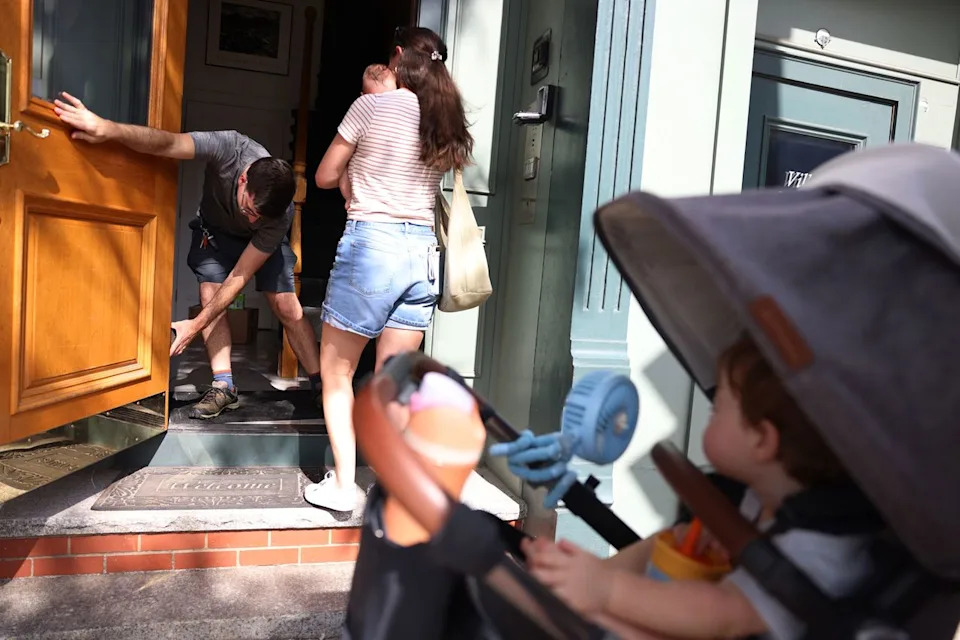
Andrew Tynes and Leah Hamel with their sonsCredit: Jessica Rinaldi/The Boston Globe via Getty
“We need to stretch the budget as you have to for your son's hearing,” said Andrew Tynes. “If it potentially works, it was worth it.”
Regeneron is offering Otarmeni at no charge to U.S. patients, though a single dose can conventionally cost more than $1 million. The Tynes family traveled roughly 1,200 miles to Boston — the nearest authorized treatment center — and are expected to stay at least three weeks for follow-up visits and monitoring.
Evidence From Clinical Trials
Boston Children’s was one of the sites in the clinical trial that supported FDA approval. The trial treated 20 children and adolescents (ages 10 months to 16 years), each receiving a single dose. Investigators report that about 80% of participants showed measurable hearing improvements by roughly six months after treatment, and 42% achieved normal hearing within a year.
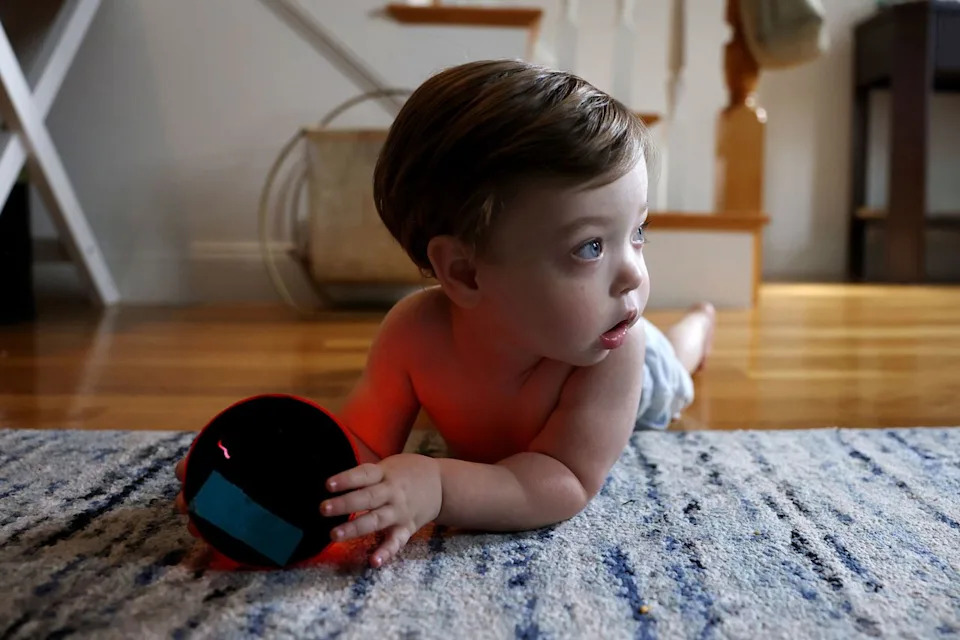
Everett TynesCredit: Jessica Rinaldi/The Boston Globe via Getty
Dr. Shearer, an investigator on the trial, described recovery as if "the sound level is just being slowly turned on." He and other specialists hope to offer the therapy to more eligible patients as centers train and prepare to deliver the treatment.
Everett’s parents say they already see early signs of increased awareness in their son and are grateful that the option exists while clinicians continue to evaluate his longer-term outcomes.
Help us improve.