Japan, South Korea and Australia stressed that trilateral security cooperation with the United States is "critical" after President Trump abruptly ordered a scale-back of joint military drills with Seoul while praising North Korean leader Kim Jong Un. South Korea says the Ulchi Freedom Shield exercises began as planned and denies any intention to provoke the North, while its Unification Ministry cannot confirm whether communications between Trump and Kim occurred. The move coincides with the redeployment of the USS George Washington to the Middle East and renewed pressure on regional partners—like Taiwan—to raise defence spending.
Allies Say Trilateral Security 'Critical' After Trump Scales Back Korea Drills and Praises Kim
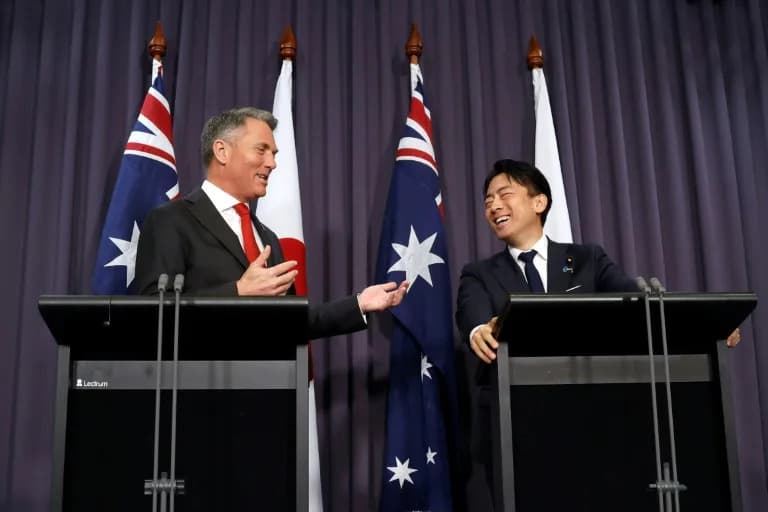
Speaking on a visit to Australia, Japanese Defence Minister Shinjiro Koizumi came out strongly in support of joint security cooperation (HILARY WARDAUGH)
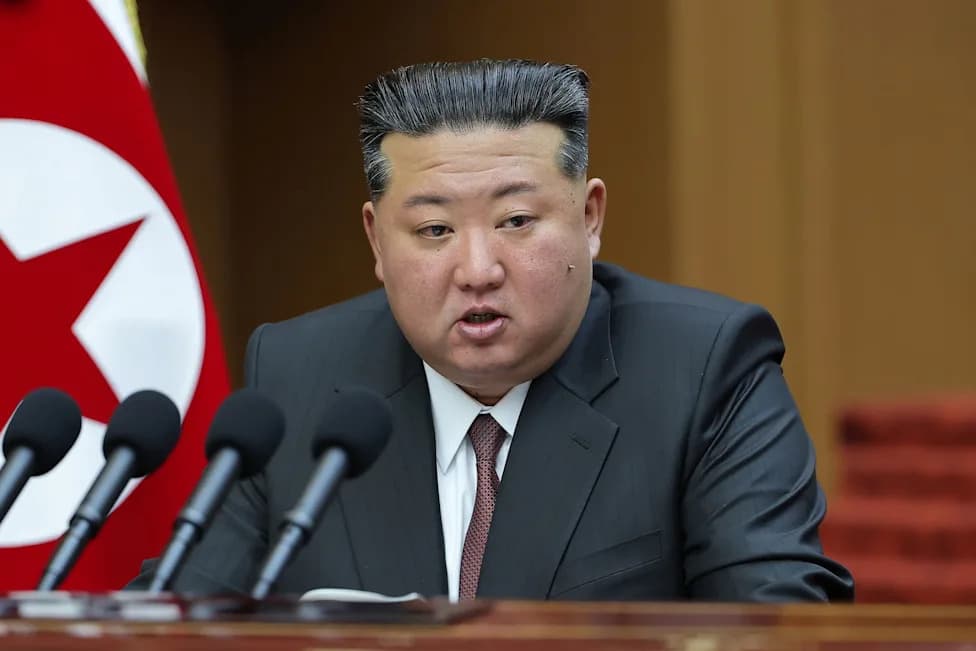
Japan, South Korea and Australia warned that cooperation between their militaries and the United States is essential to regional stability after President Donald Trump unexpectedly ordered a scale-back of joint drills with Seoul while speaking warmly of North Korean leader Kim Jong Un.
Quick Summary
Trump announced on Sunday that he had instructed the Pentagon to reduce what he called "inappropriate and hostile" military exercises with South Korea. The president said his contacts with Kim had been "very positive" and that Kim had "responded," though he gave no details. Allies urged calm and reaffirmed the importance of trilateral cooperation amid wider concerns about deterrence in East Asia.
'Critical' Cooperation
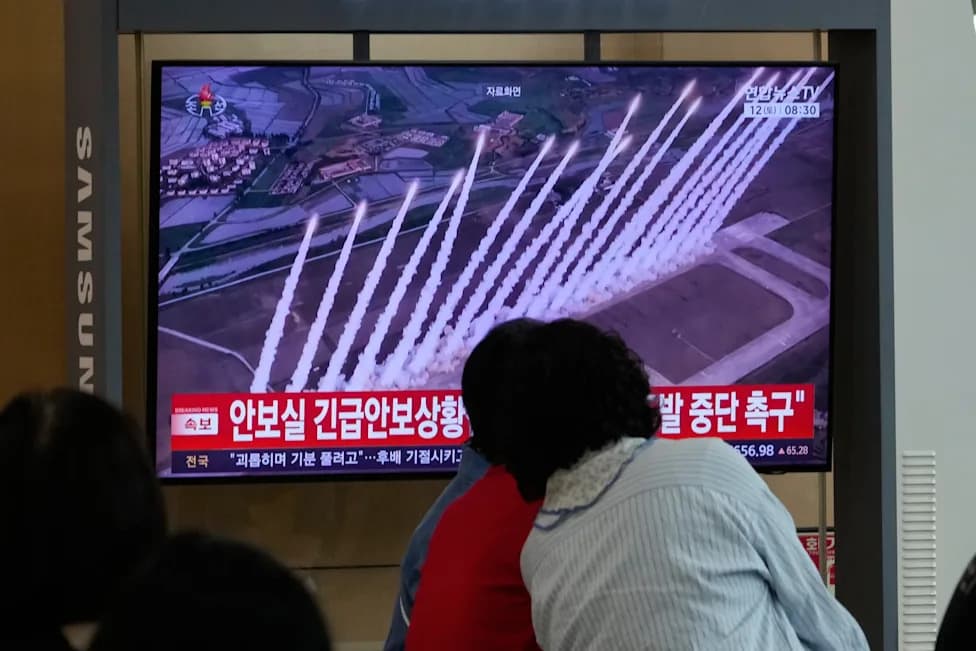
The 11-day Ulchi Freedom Shield exercises are intended to prepare South Korean and U.S. forces for a possible conflict on the peninsula; North Korea consistently condemns such drills as rehearsal for invasion. Japan's Defence Minister Shinjiro Koizumi said during a visit to Australia that cooperation among Japan, the United States and South Korea is "critical to the peace and stability of the region." Australia's Defence Minister Richard Marles echoed those concerns, citing long-standing worries about North Korea's nuclear and missile programs.
Seoul's Response
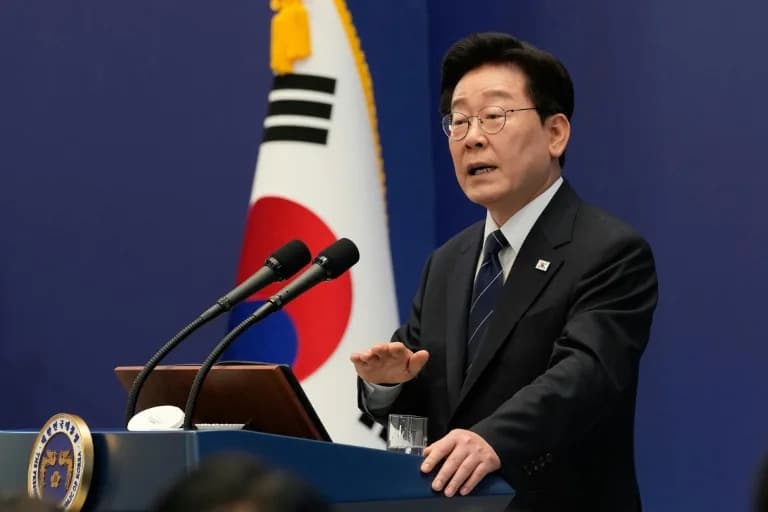
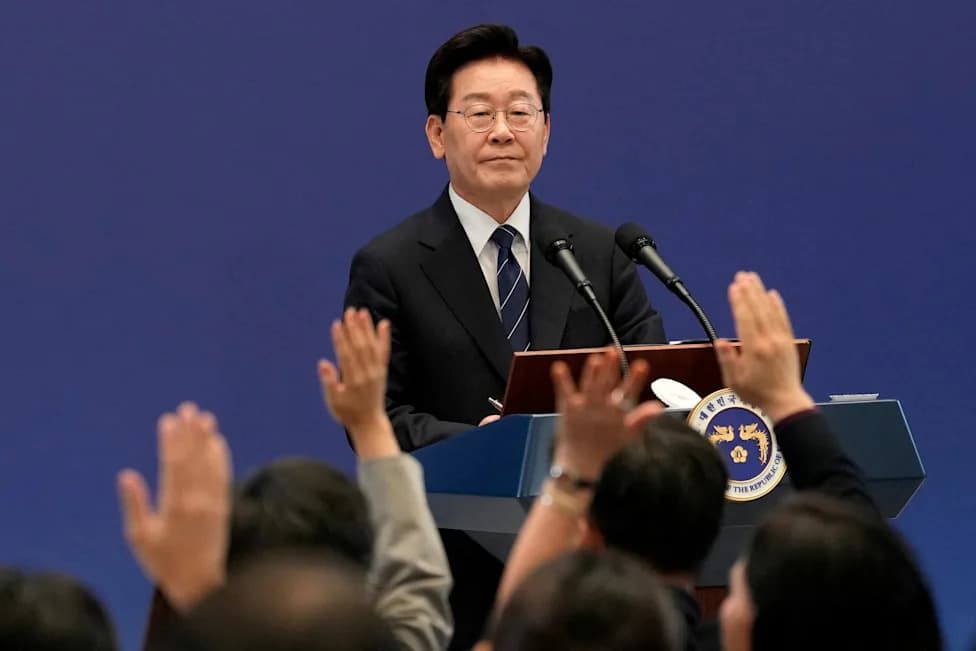
South Korean officials said the drills had begun as planned and stressed they were defensive in nature. Seoul's presidential office denied that the exercises signaled any intent to attack the North, while the Unification Ministry — which handles inter-Korean relations — said it could not confirm whether communications between President Trump and Kim Jong Un had taken place. The ministry noted that channels exist but declined to verify specific content.
Trump's Remarks And Questions About Burdensharing
In Oval Office remarks, Mr. Trump praised his past meetings with Kim and suggested their personal rapport had reduced tensions:
“Kim Jong Un has always treated me with great respect. I understand him. He understands me.”He also questioned U.S. commitments to allies who do not help with other operations, citing the number of U.S. troops stationed in South Korea and asking why allies would not assist in a potential action against Iran. The president referenced "39,000 soldiers" in his comments; official U.S. figures list approximately 28,500 troops stationed in South Korea.
Wider Regional Implications
The announcement came as the U.S. redeployed the aircraft carrier USS George Washington from the Pacific to the Middle East to relieve the USS Lincoln, which has faced scrutiny over crew welfare and logistical strains after a long deployment. The moves and mixed messages have prompted renewed debate across Asia about burden-sharing, alliance reliability and military readiness.
Taiwan And Defence Spending
Taiwan is among regional partners under pressure to increase defence budgets. President Lai Ching-te pledged record defence spending for 2027 and has set a long-term goal of raising defence spending to 5% of GDP by 2030, part of broader efforts to strengthen deterrence under growing cross-strait tensions.
What Comes Next
Allies say continued consultation and coordination among Washington, Seoul and Tokyo will be essential to manage tensions and reassure partners. Analysts say a careful diplomatic balance will be needed to keep dialogue channels with Pyongyang open without undermining deterrence or alliance cohesion.
Help us improve.