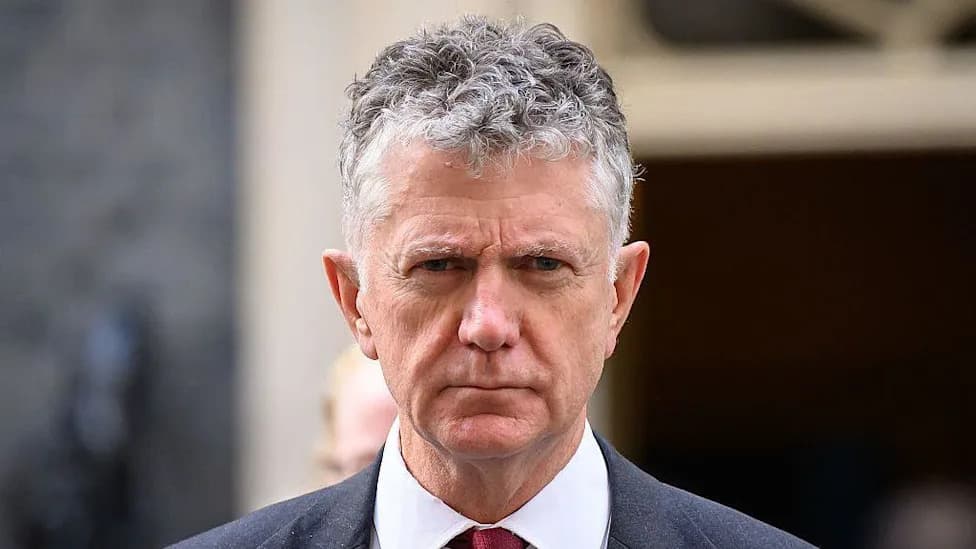
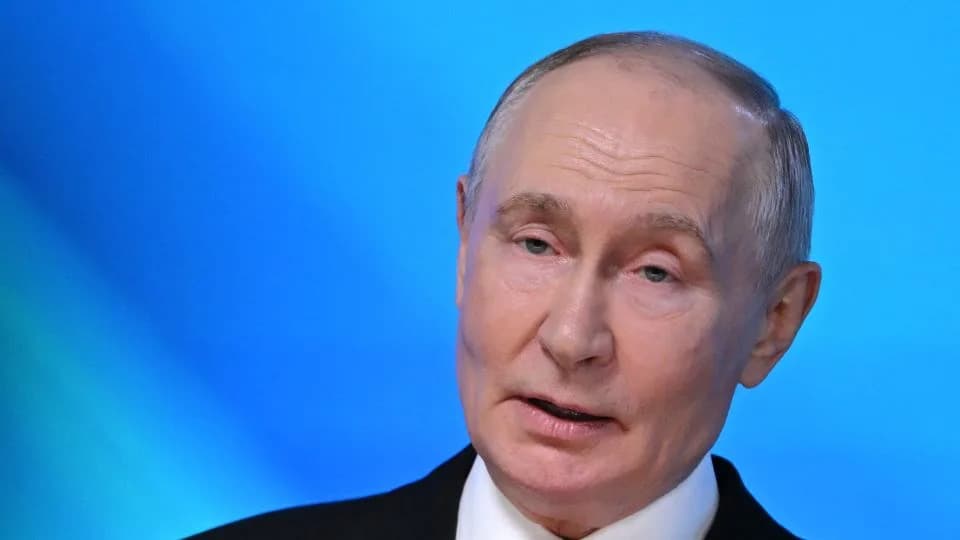
Andrei Klepach, chief economist at state-owned Vnesheconombank, was reportedly sacked after warning at a May forum that Russia is "losing" the war of attrition in Ukraine and could face a social crisis. He said Ukraine — though damaged — has shown resilience, helped by Western aid. Official data showed 1.3% GDP growth in Q2, but analysts warn the economy may stagnate amid fuel shortages, higher oil prices and heavy defence spending.
Top Russian Economist Sacked After Saying 'We're Losing To Ukraine' — Warns Of Social Crisis
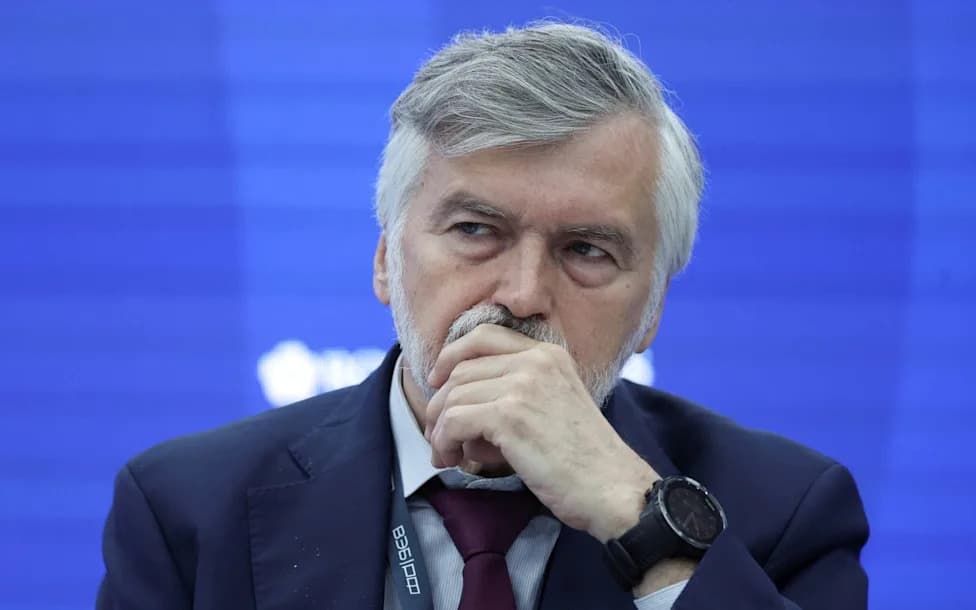
Andrei Klepach said that Russia was 'under the illusion that everything [in Ukraine] will collapse' - Anton Vaganov/Reuters
Andrei Klepach, the chief economist at state-owned Vnesheconombank (VEB), was reportedly dismissed after publicly warning that Russia is "losing" a "war of attrition" in Ukraine and that the economic fallout risks triggering a social crisis.
According to independent Russian outlet The Bell, VEB's leadership said they received a "call from above" before removing Klepach. The economist made the remarks at a May meeting at the Moscow Exchange's Nikitsky Club; they were first reported over the weekend by The Moscow Times.
"We're falling behind. We're losing both the technological and economic competition globally. We're losing not only to China and the US, but in some ways, we're losing to Ukraine," Klepach said. He added that, despite being "partially destroyed," the Ukrainian economy has proved resilient.
Klepach argued that the costs of the campaign are mounting at home: rising inequality, strains on health care, and uneven development in science and technology. He warned a social crisis could appear unexpectedly, invoking the February Revolution of 1917 as an example: "I don't believe Russia will collapse, but I'm almost certain that we'll end up in a social crisis."
The comments clash with Kremlin messaging. President Vladimir Putin has consistently rejected suggestions the campaign is stalled or inflicting lasting damage on Russia's finances.
Official data released last week showed Russia's gross domestic product expanded by 1.3% in the second quarter year-on-year, reversing a 0.2% contraction in the first quarter. Nevertheless, analysts remain cautious. Liam Peach of Capital Economics said the economy is likely to "stagnate for the foreseeable future."
Economic pressure points include fuel shortages after Ukrainian drone strikes on refineries, and a reliance on higher global oil prices (partly linked to the wider regional conflict involving Iran) and heavy defence spending to support output. Klepach also attributed Ukraine's survival in part to sustained Western financial aid.
Klepach is a prominent figure in Russia's economic establishment. He joined VEB in 2014 and previously served in senior roles at the Ministry of Economic Development, rising to deputy minister in 2008.
The Telegraph has contacted VEB for comment.
Help us improve.