New research analyzing 12.7 million U.S. deaths (2020–2024) across 503 occupations found that pilots and flight attendants had the highest shares of deaths from cancers linked to ionizing radiation. The pattern — concentrated in radiation-associated cancers and mirrored in other radiation-exposed professions but not in ground-based aviation workers — supports a radiation-related explanation, though it does not prove causation. Occasional flyers should not be alarmed: career-long exposure, not sporadic travel, appears to drive the signal. The authors urge regulators to consider monitoring and dose limits for U.S. aircrew.
Study Finds Higher Radiation-Linked Cancer Rates Among Pilots and Flight Attendants — Why Occasional Flyers Shouldn’t Panic
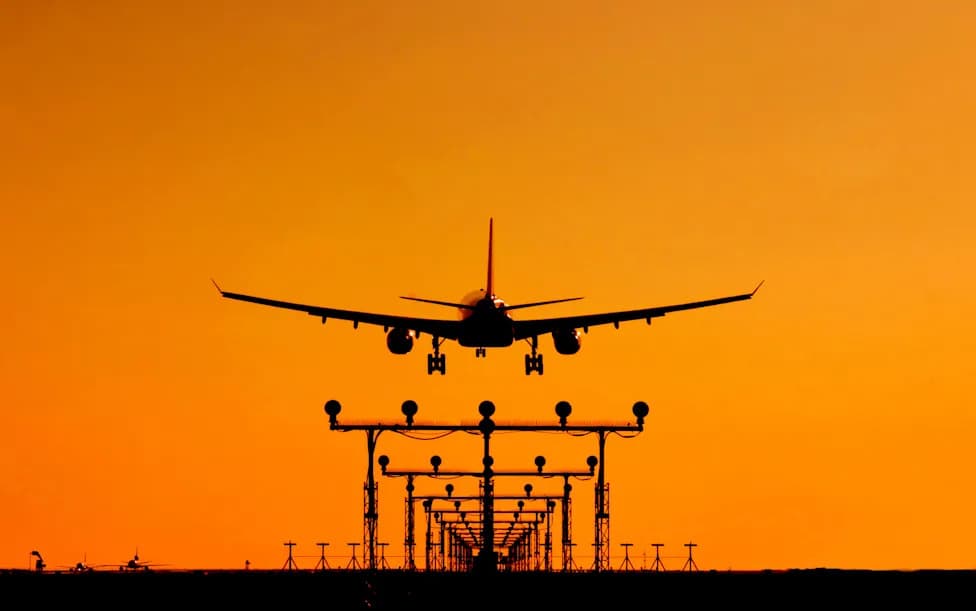
—Viviana Singh—Getty Images
New research links career-long exposure at flight altitudes to higher shares of cancers associated with ionizing radiation among aircrew — but occasional passengers have little reason to worry.
A study published in JAMA Internal Medicine analyzed a newly linked federal dataset tying nearly every U.S. death to the deceased’s usual occupation. The authors examined more than 12.7 million deaths from 2020–2024 across 503 occupations to look for patterns in cancers known to be caused by ionizing radiation.
What the study found
After adjusting for age, sex, and other factors, flight attendants and pilots had the highest and second-highest shares of deaths from radiation-associated cancers — 6.9% and 6.7%, respectively. That proportion exceeded that of nuclear technologists, a group already known to be exposed to occupational radiation. For cancers not linked to ionizing radiation (for example, colon cancer), aircrew were near the middle of the occupation distribution.
Why cosmic radiation is suspected
Commercial airliners cruise above 30,000 feet, where the atmosphere is thinner and provides less shielding from cosmic radiation (high-energy particles from the sun and deep space). Pilots and flight attendants who spend hundreds of flight hours per year therefore accrue more ionizing radiation than most other workers in the U.S. — an estimated roughly 3–6 millisieverts (mSv) per year, year after year.
How this compares to passengers
By comparison, a traveler who takes about 10 cross-country round trips a year absorbs roughly 0.4 mSv — about one-seventh to one-fifteenth of a single-year dose typical for aircrew. The study’s detected signal therefore most likely reflects cumulative career exposure, not occasional travel.
Strengths and limitations
The analysis benefits from a very large, occupation-linked mortality dataset and predicted patterns that matched radiation-specific expectations: elevated rates in radiation-associated cancers and among other radiation-exposed occupations, but not among ground-based aviation workers. Still, the study cannot prove causation. It does not measure individual cumulative dose, occupations can be misrecorded on death certificates, workers predisposed to certain cancers might self-select into aviation jobs, and other occupational hazards (disrupted circadian rhythms, cabin exposures) could play a role.
Policy implications
The Federal Aviation Administration recognizes aircrew as occupationally exposed to radiation, but unlike nuclear workers — and unlike some European jurisdictions — U.S. pilots and flight attendants are not subject to federal dose limits or mandatory exposure monitoring. The authors argue regulators and employers should consider monitoring and protections for people who spend their careers at altitude.
Bottom line
Passengers taking occasional or even frequent vacation flights face a much smaller cumulative radiation dose than career aircrew. The primary takeaway is a policy one: aircrew, who receive some of the highest occupational cosmic-radiation doses in the country, merit protections and monitoring similar to other radiation-exposed professions.
Help us improve.