Donald Trump and his administration have repeatedly run into legal and political obstacles while seeking greater control over federal election administration. Federal courts have blocked executive orders on mail-in voting and a national voter list, and the DOJ has lost more than 20 rulings limiting its voter-data efforts. The White House has hinted at emergency powers or federal deployments, even as election workers face rising threats and key support agencies have been weakened.
How Far Will Trump Go to Seize Federal Elections? Time Is Running Out
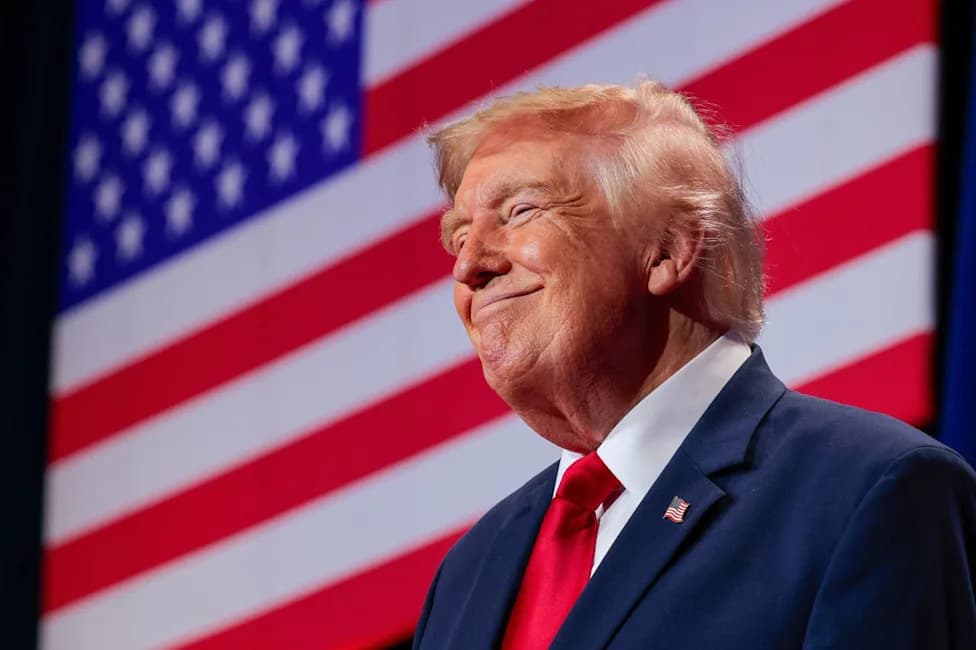
How desperate will Trump get with his crusade to seize control of federal elections? The clock is ticking
Donald Trump and his administration have repeatedly encountered legal and political barriers in efforts to centralize control over federal election administration. As midterm deadlines loom, the White House has pursued a mix of lawsuits, executive actions and public threats that critics say aim to undermine trust in election officials and reshape how voting is administered nationwide.
Legal Roadblocks and Court Decisions
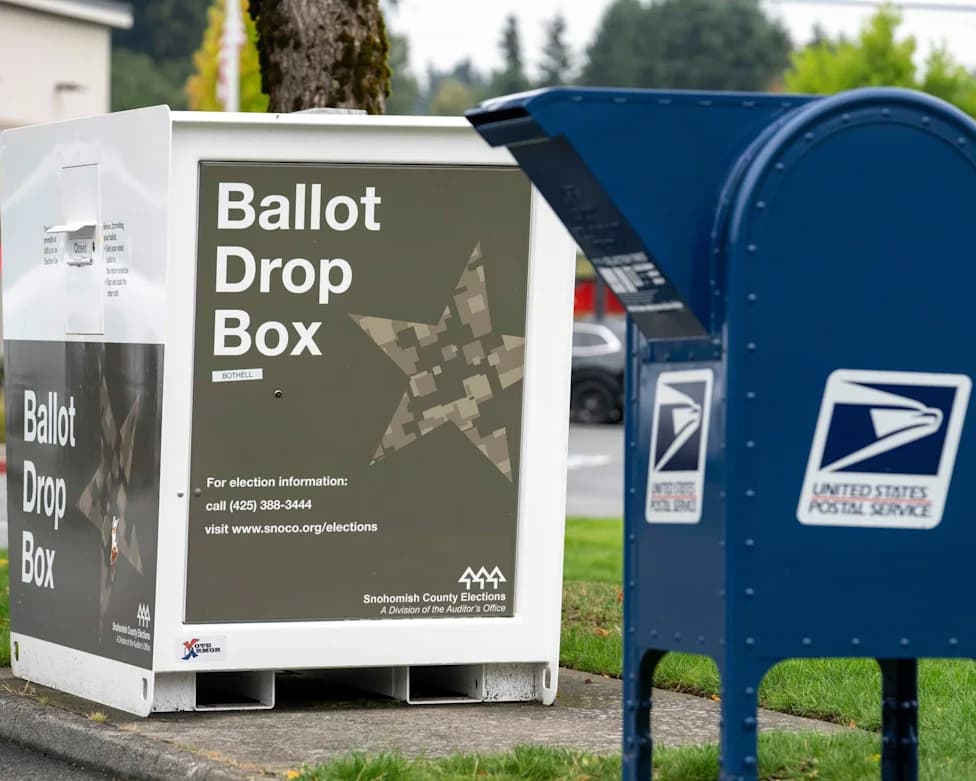
The Department of Justice has faced more than 20 court rulings that have limited or rejected its efforts to obtain state voter records and other election data. Federal judges have repeatedly struck down presidential executive orders that sought to restrict mail-in voting or create a national voter registration list. At least five judges who rejected the administration's suits were appointees of Mr. Trump.
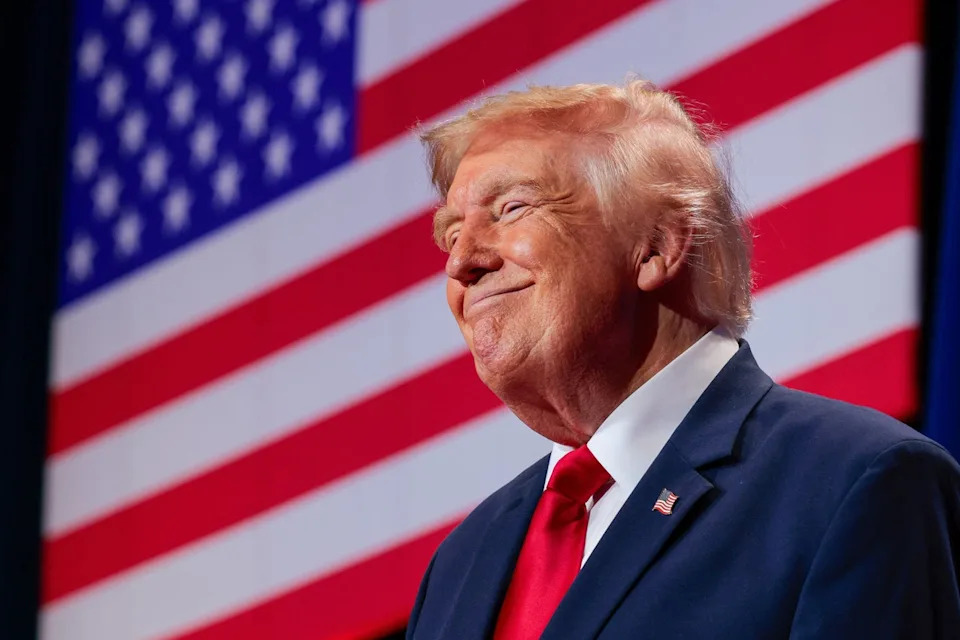
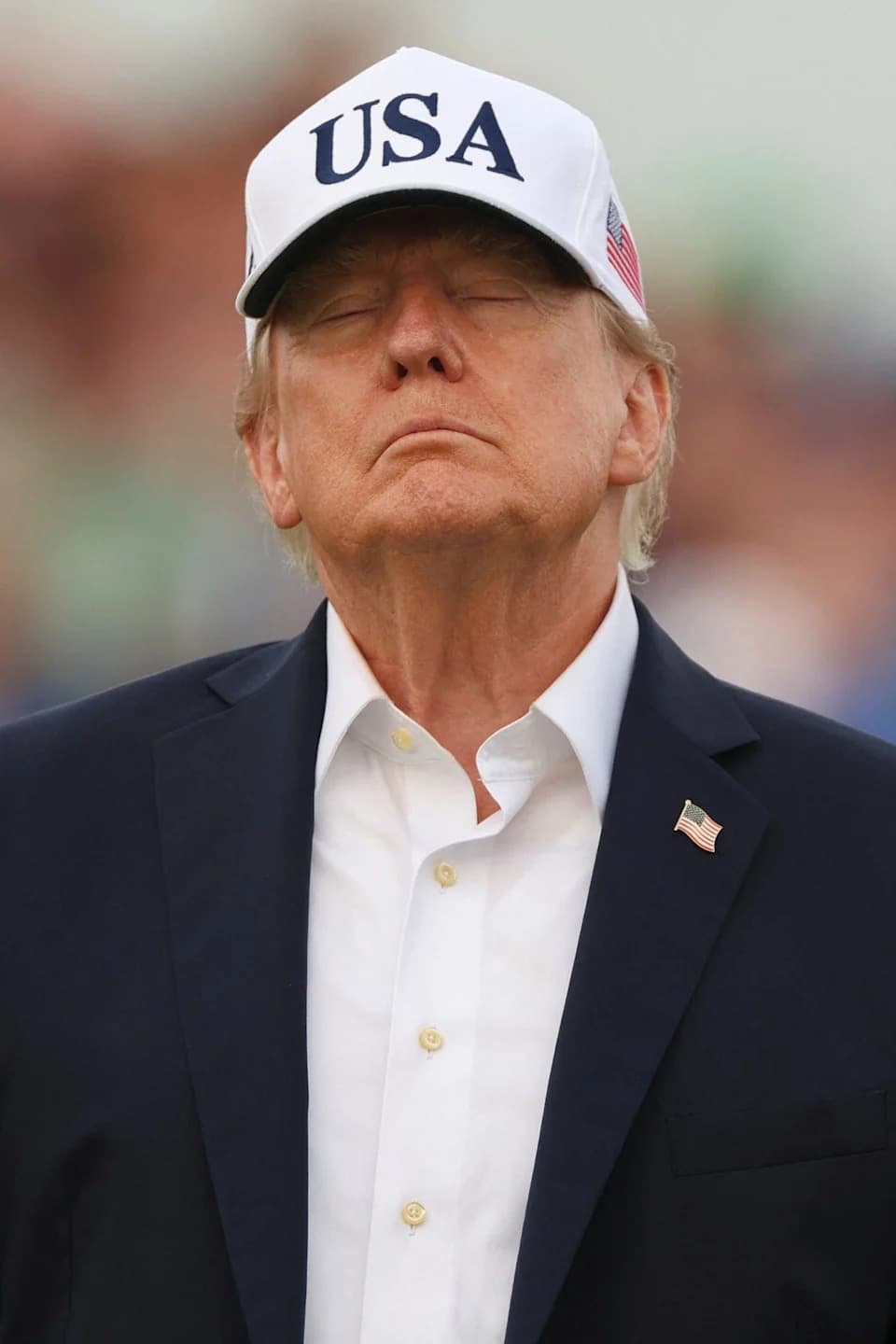
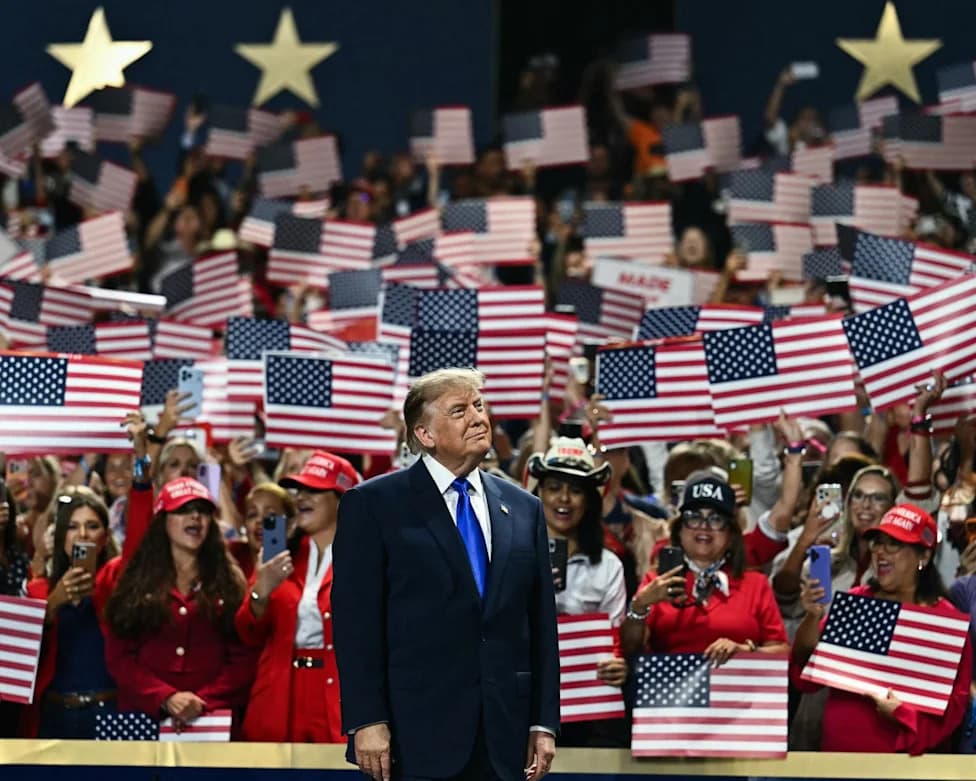
Donald Trump has run into several political and legal roadblocks in his attempts to seize control of election administration while refusing to reject the possibility of deploying federal law enforcement to the polls (Getty)
Dozens of state election officials warned the Supreme Court that allowing sweeping changes to voting rules close to an election would create chaos. As nearly two dozen state attorneys general told the Court:
"The consequences of allowing such transformative changes to take effect so close to this fall's elections would be extreme. Because of the high risk of errors and the limited window for correcting mistakes, many of the millions of voters who rely on mail voting — especially voters with disabilities and those in rural areas — would likely be denied mail ballots and, as a result, disenfranchised."
Federal Pushes, State Resistance
The administration argues it needs access to voter rolls to ensure registrations are accurate and up to date. Critics counter that the lawsuits and data demands risk large-scale purges and target noncitizen registration in ways that could remove eligible voters. Homeland Security Secretary Markwayne Mullin has warned of criminal referrals for election officials who do not comply with federal demands.
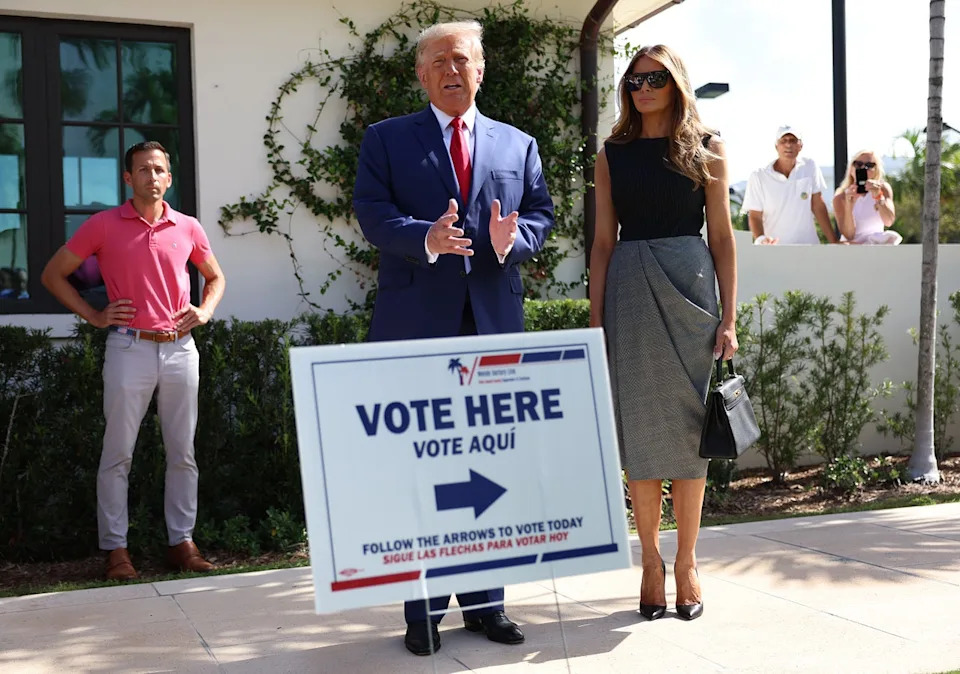
Trump has twice asked the Supreme Court to let him enforce sweeping restrictions on mail-in ballots after federal courts rejected his executive order that officials say could be debilitating for midterms (Getty)
Extraordinary Measures on the Table
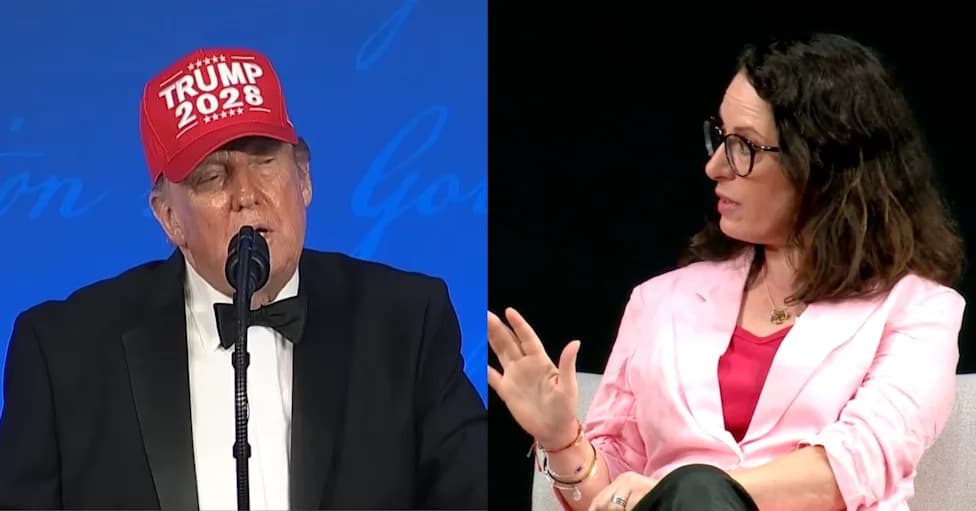
Mr. Trump has not ruled out extraordinary steps to reshape election administration, including suggesting the possibility of invoking emergency powers. On Real America's Voice he responded to a proposal to declare an emergency to implement voter ID and other changes by saying:
"Let me just say that stranger things have happened, OK. I'll leave it at that."
He has also suggested using federal forces to seize voting machines in the past and has expressed regret for not doing so after the 2020 election. Legal scholars and voting rights advocates warn that deploying federalized troops or law enforcement at polling sites or to seize equipment would be unprecedented and could severely disrupt ballot collection and counting.
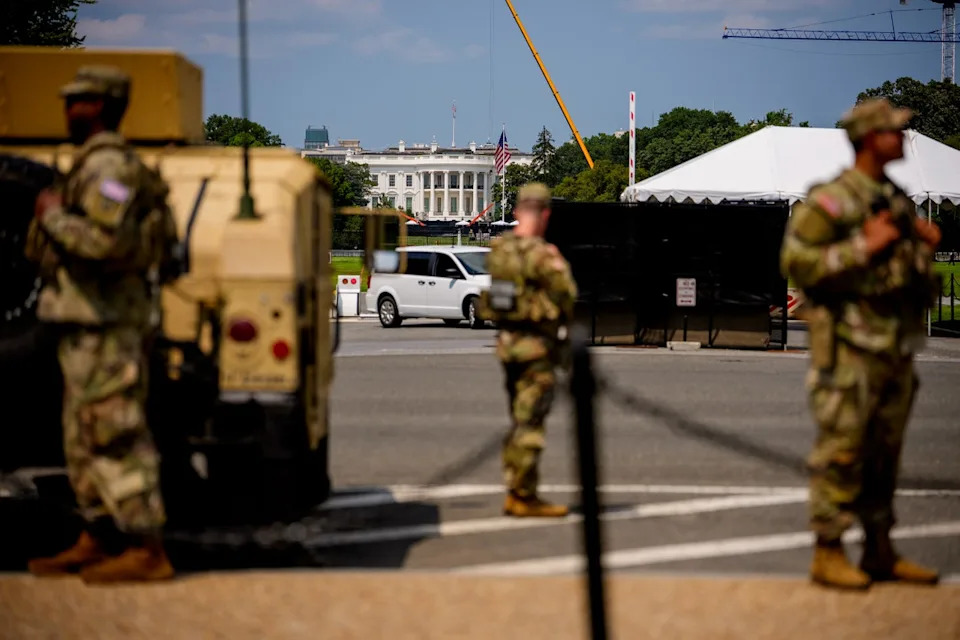
Trump regrets not seizing voting machines in the aftermath of the 2020 election and has not shut down suggestions that he deploy federalized troops in 2026 (Getty)
Impact On Election Infrastructure And Workers
In the run-up to a major electoral cycle, the White House removed the three remaining members of the bipartisan Election Assistance Commission, effectively paralyzing the agency that supports election officials. At the same time, critics say the administration has weakened the Cybersecurity and Infrastructure Security Agency (CISA), which helps protect elections from cyber threats.
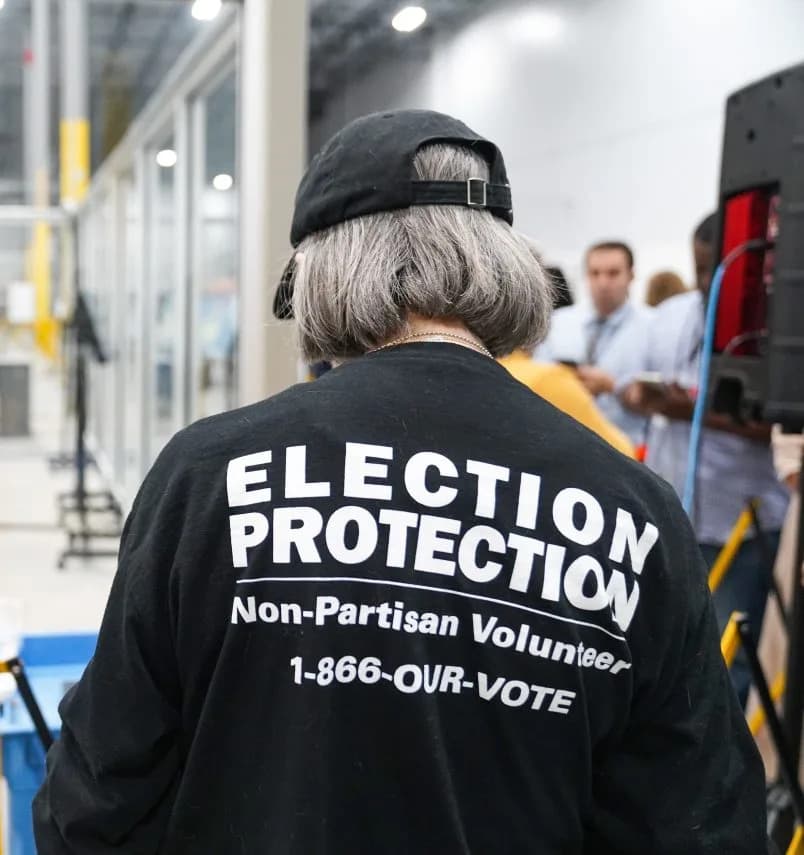
Election administrators and poll workers have faced increased threats and harassment. An annual NYU Brennan Center survey found that at least 38% of election workers reported threats, harassment or abuse tied to their jobs; more than 60% of those threats were delivered in person. Many workers say they fear for their safety and worry about the consequences of federal cuts to election security and insufficient state and local resources.
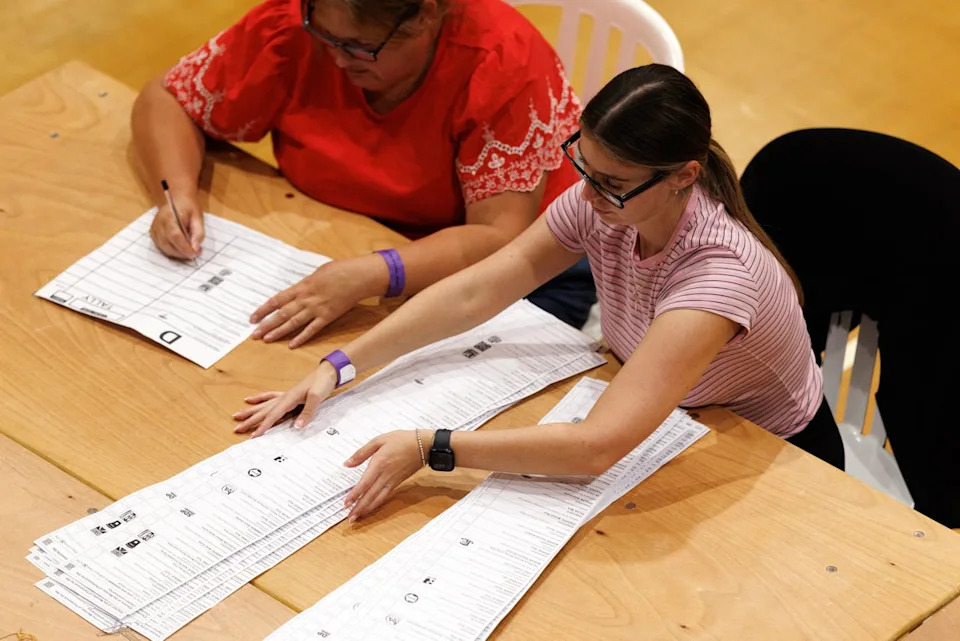
A vast majority of election workers fear the consequences of federal cuts to election security and a significant lack of state and local resources to combat election threats, abuse and conspiracy theories (Getty)
DOJ Subpoena And Judicial Pushback
In April, the Justice Department issued a grand jury subpoena seeking names, addresses, email accounts and phone numbers of thousands of poll workers and volunteers from the 2020 election in Fulton County, Georgia. A federal judge later blocked the subpoena, calling the request an "unreasonable" and "staggering" attempt to collect sensitive personal data.
"The federal government is targeting Americans who serve voters in their communities every election," said David Becker, director of the Center for Election Integrity and Research. "There is absolutely no legal basis for the DOJ's demands, and the court was right to put a stop to this unjustifiable fishing expedition."
Why It Matters
These battles go beyond legal technicalities. They affect public confidence in elections, the safety of the people who run them, and the practical ability of voters to cast ballots. With courts so far curbing many of the administration's most far-reaching efforts, the coming weeks will show whether political pressure, rule changes or further litigation will reshape how Americans vote.
Help us improve.