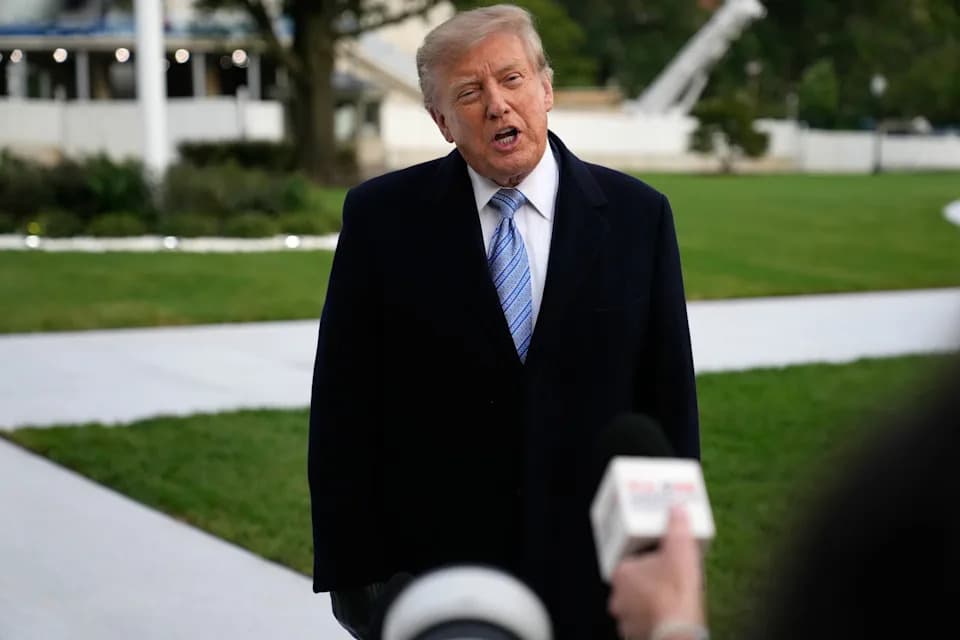
President Donald Trump told a Fox News reporter in a phone interview that the United States would bomb Oman if the Gulf state "gets in the way" of Washington's negotiations with Iran, using an expletive to underscore the threat. The remark, attributed to Fox reporter Trey Yingst, drew immediate attention because Oman is a US partner and a key intermediary in regional diplomacy.
What Was Said
According to the Fox report, Trump said: "If Oman gets in the way, we'll bomb the shit out of them." The comment came as Tehran and Muscat were reported to be close to finalising arrangements to allow safer transit through the Strait of Hormuz, a strategically vital waterway that has been largely disrupted amid the US–Iran conflict.
Oman’s Role and the Strait of Hormuz
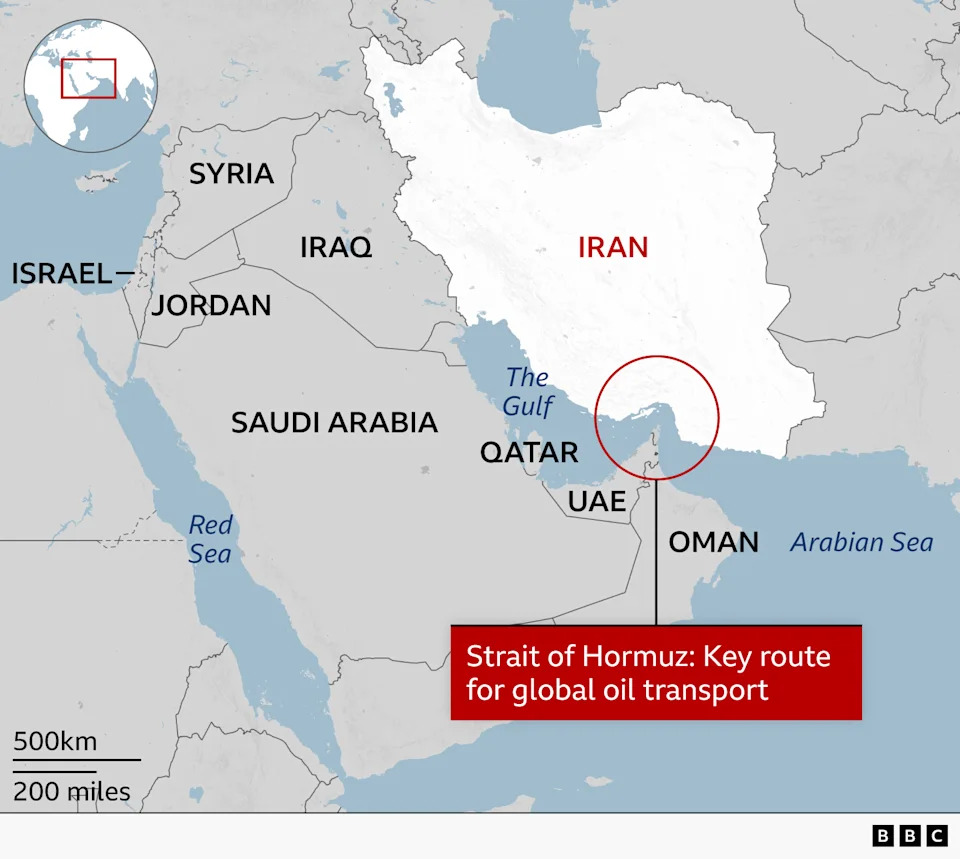
The Strait of Hormuz connects the Persian Gulf to the Gulf of Oman and the Arabian Sea and normally handles roughly one-fifth of the world’s oil and liquefied natural gas shipments. Oman, which borders the southern side of the strait, has presented itself as a neutral actor and has been actively engaged in talks with Iran to reopen safe transit routes after months of limited passage.
Diplomatic Context: MoU and Negotiations
Relations between the US and Iran have been fraught. A 60-day Memorandum of Understanding (MoU) signed on 18 June sought to establish a temporary ceasefire, but the arrangement largely fell apart after renewed strikes by both sides. The MoU was approaching expiration as these developments unfolded, leaving the future of formal US–Iran negotiations uncertain.
Iranian foreign ministry spokesman Esmaeil Baghaei told reporters that “an understanding has been reached regarding the map of the transit route,” and said both sides would finalise technical details before issuing a joint statement. Reuters, citing an Iranian official, has reported that Tehran may seek transit fees in the range of 5%–7% of a cargo’s value for vessels passing through the strait.
Claims of a Backchannel and Denial
During the same interview, Trump also claimed the US maintained a direct backchannel with the Islamic Revolutionary Guard Corps (IRGC), a powerful Iranian military, economic and political force. An IRGC spokesman denied the claim to the semi-official Tasnim News Agency, saying, "There are no talks taking place between IRGC officials and the Americans," and dismissing Trump's claim as false.
Military Supplies and Wider Implications
Trump said he had "no timetable" to end the fighting and dismissed concerns about depleted US weapon stockpiles as overstated, calling the quantities used so far "peanuts." Exact ammunition expenditures and remaining inventories are classified, but assessments compiled by the Washington, D.C.-based Center for Strategic and International Studies (CSIS) have indicated that some US stockpiles have been significantly reduced and can be slow to replenish. A retired Marine Corps colonel and CSIS senior adviser told the BBC that producing certain missiles can take "one to five years," a timeline that is difficult to accelerate.
What Comes Next
Oman’s mediating role and Tehran’s reported agreement on a transit map suggest a possible pathway to reopening the Strait of Hormuz, but the situation remains fragile. The expiry of the MoU, divergent positions on compensation or fees, and public threats by major actors increase uncertainty and risk further escalation. Diplomats and regional observers will be watching closely for any formal statement from Tehran, Muscat or Washington that clarifies next steps.
Sources: Fox News (Trey Yingst), Tasnim News Agency, Reuters, CSIS, official statements from Iranian foreign ministry spokespeople and President Trump’s public remarks.