The U.S. Supreme Court on Aug. 17 refused for a second time this summer to rehear President Donald Trump’s appeal of a $5 million verdict awarded to E. Jean Carroll for sexual abuse and defamation. The court issued no explanation and recorded no dissents. A separate $83.3 million Manhattan judgment from 2024 remains under appeal. Carroll’s suit was filed under New York’s Adult Survivors Act, which opened a one-year window for otherwise time‑barred claims.
Supreme Court Again Denies Trump’s Bid To Rehear E. Jean Carroll $5M Verdict — No Opinion Issued
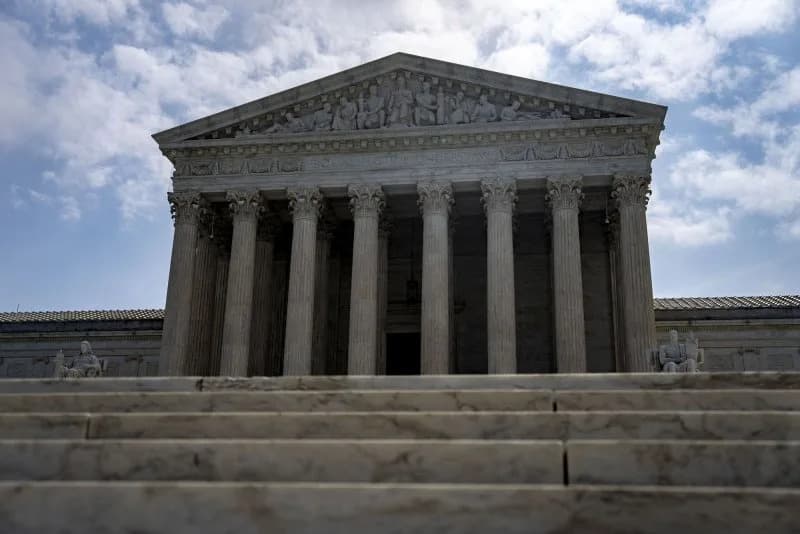
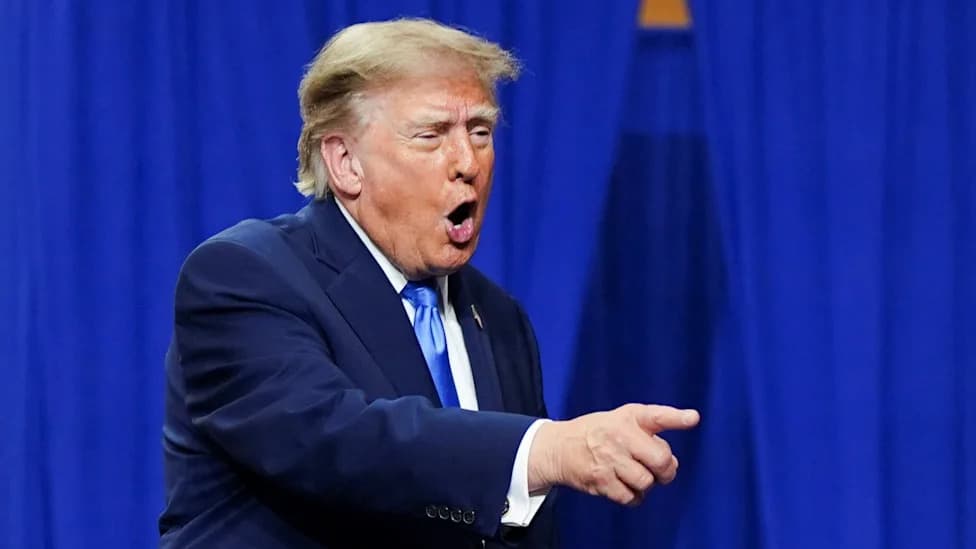
The U.S. Supreme Court once again rejected President Donald Trump's attempt to appeal the verdict in E. Jean Carroll's sexual abuse and defamation case on Monday. File Photo by Bonnie Cash/UPI
The U.S. Supreme Court on Monday declined for a second time this summer to rehear President Donald Trump’s attempt to overturn a $5 million judgment awarded to writer E. Jean Carroll for sexual abuse and defamation. The court provided no explanation and listed no dissenting opinions.
Case Background
Carroll sued Trump over an alleged sexual assault in a New York City department store in 1996 and for subsequent statements she says defamed her. In earlier civil proceedings a judge found Trump liable for sexually assaulting Carroll; while the conduct was held not to meet New York’s statutory definition of rape, the presiding judge wrote that, by the common meaning of the word, the conduct amounted to rape.
Court rulings also found Trump liable for defamation based on comments he made about Carroll in public remarks and online.
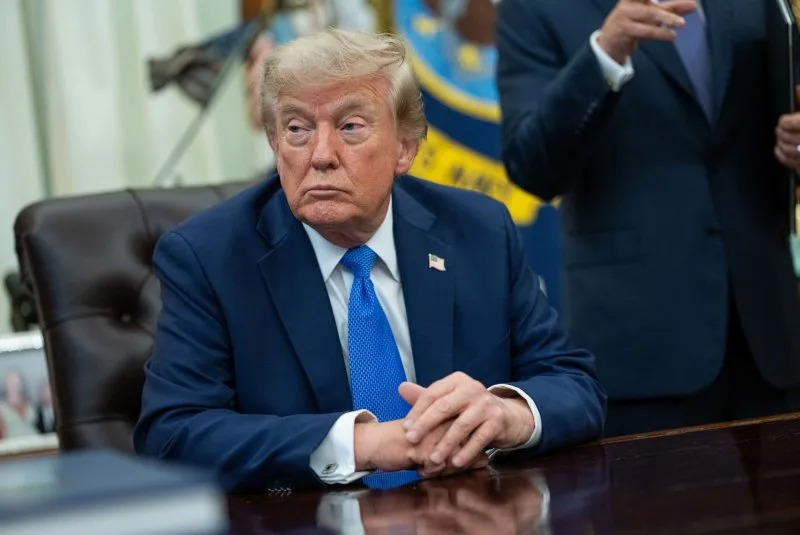
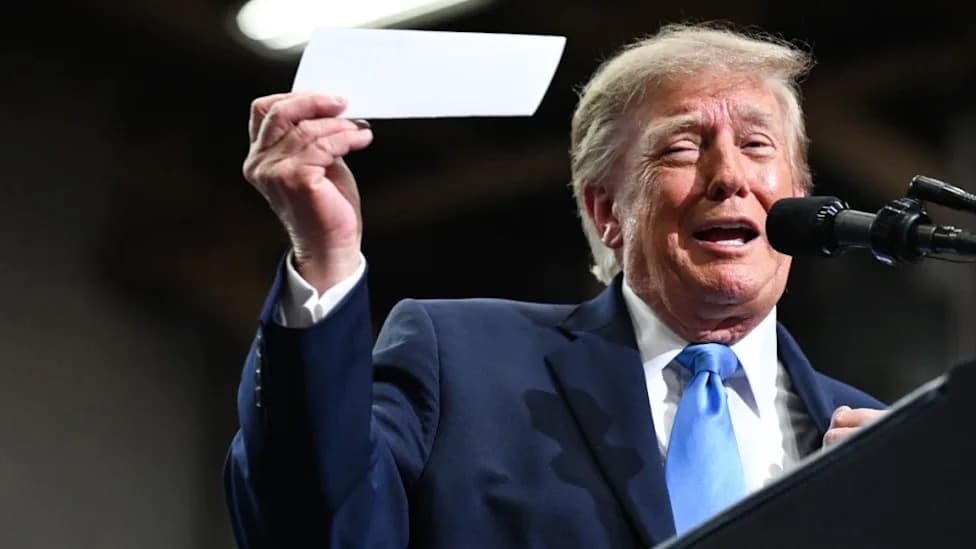
President Donald Trump sought to have the $5 million judgment awarded to E. Jean Carroll for sexual abuse and defamation appealed in the Supreme Court. On Monday, the Supreme Court denied the appeal. Photo by Aaron Schwartz/UPI
Separate Manhattan Judgment Still Under Appeal
Separately, a Manhattan civil court entered a larger $83.3 million judgment against Trump in 2024. Trump has appealed that decision and the appeal remains pending before the Supreme Court.
Presidential Immunity Argument
Trump’s legal team has argued he should be protected from civil liability for statements made while serving as president, citing the Supreme Court’s 2024 expansion of presidential immunity. The high court’s denial on Monday did not address those immunity claims or explain whether the immunity ruling affects these judgments.
Why Rehearings Are Rare
The Supreme Court seldom reopens cases. Under its rules, a rehearing is typically permitted only when substantial "intervening circumstances" justify revisiting a matter — a standard the justices did not find met in this petition.
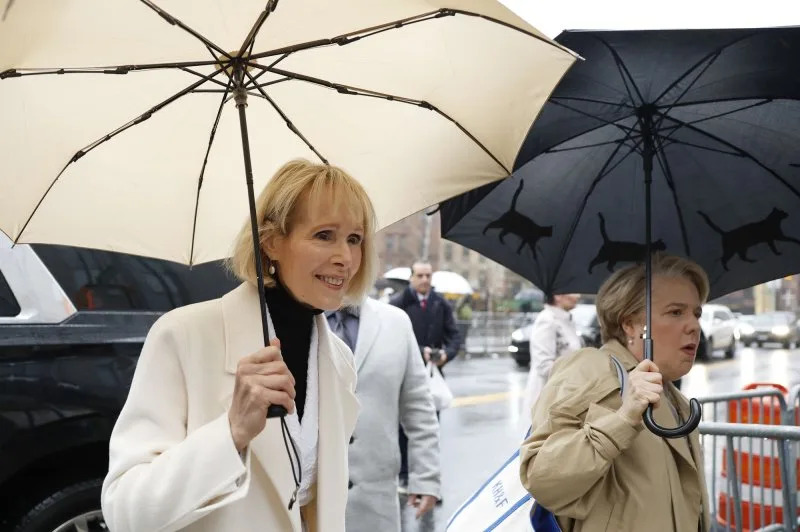
Journalist E. Jean Carroll arrives at the courthouse as closing arguments begin in her damages trial against Donald Trump at Manhattan Federal Court on Jan. 26, 2024. The writer accused President Donald Trump of sexually assaulting her in the 1990s. File Photo by John Angelillo/UPI
Procedure Note: The court’s order denying the petition contains no opinion and records no dissents, which is typical when the justices simply refuse a request to rehear a case.
How Carroll Was Able To Sue
Carroll’s sexual-abuse claim was filed under New York’s Adult Survivors Act, enacted in 2022, which created a one-year window (November 2022 through November 2023) allowing victims to bring civil claims that otherwise would have been time-barred.
The high court’s refusal to rehear the $5 million ruling leaves that judgment intact for now, while the larger Manhattan judgment remains subject to ongoing appeals.
Help us improve.