Scientists described a bright‑yellow deep‑sea octocoral from Costa Rica as a new species (Laurinque elenya), genus (Laurinque) and family (Laurinqueidae). Colonies, collected at 360–529 m in 2019 and 2023, can exceed 1 m tall and live among dense brittle‑star carpets in cold (8.12–10.8°C), low‑oxygen waters. Detailed morphology and phylogenomic analyses place the coral nearest to Eunicellidae but genetically and anatomically distinct enough to justify a new family. The discovery expands knowledge of deep‑sea biodiversity and has conservation implications for vulnerable marine ecosystems.
Golden Deep‑Sea Coral Off Costa Rica Is So Distinct Scientists Created a New Family
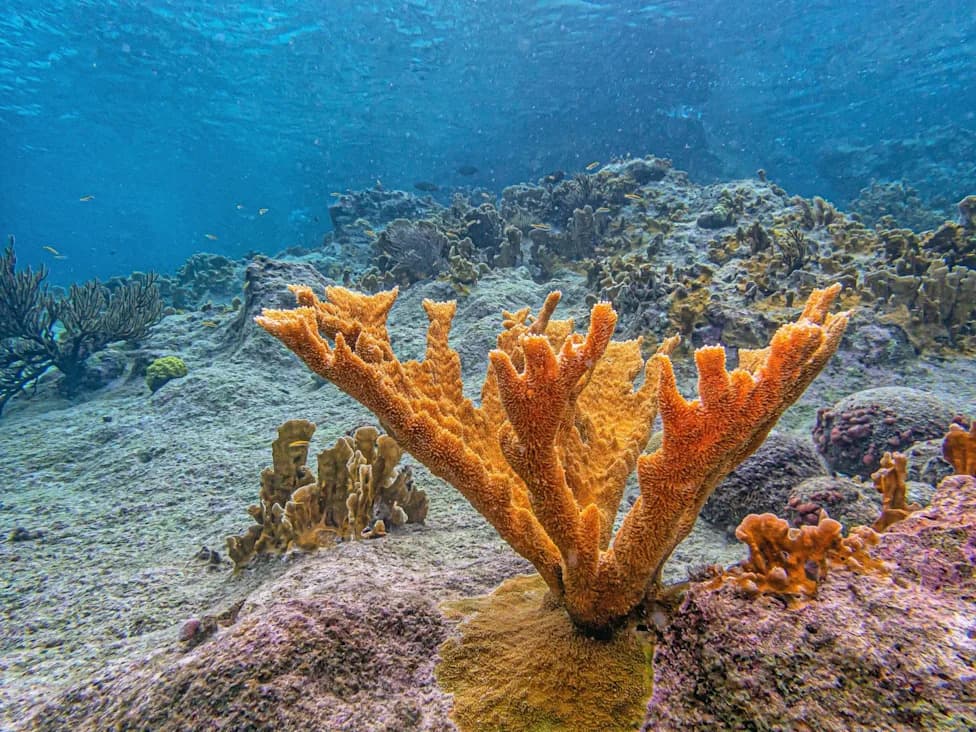
Researchers discovered Laurinque elenya, a golden tree-like coral off Costa Rica that represents a new deep-sea coral family. (CREDIT: Shutterstock)
Scientists surveying deep waters off Costa Rica have described a striking bright‑yellow octocoral so different from known relatives that it required a new species, genus and an entirely new family.
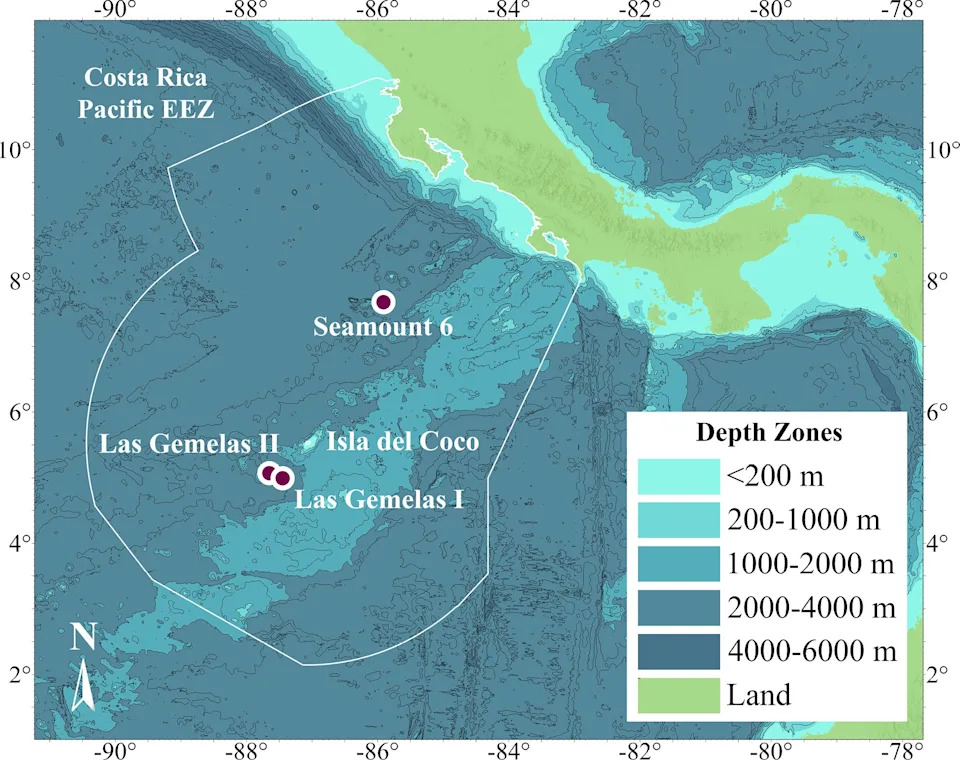
Map showing the geographic location of the collected samples within the Pacific Exclusive Economic Zone (EEZ) of Costa Rica. (CREDIT: ZooKeys)
Discovery On Remote Seamounts
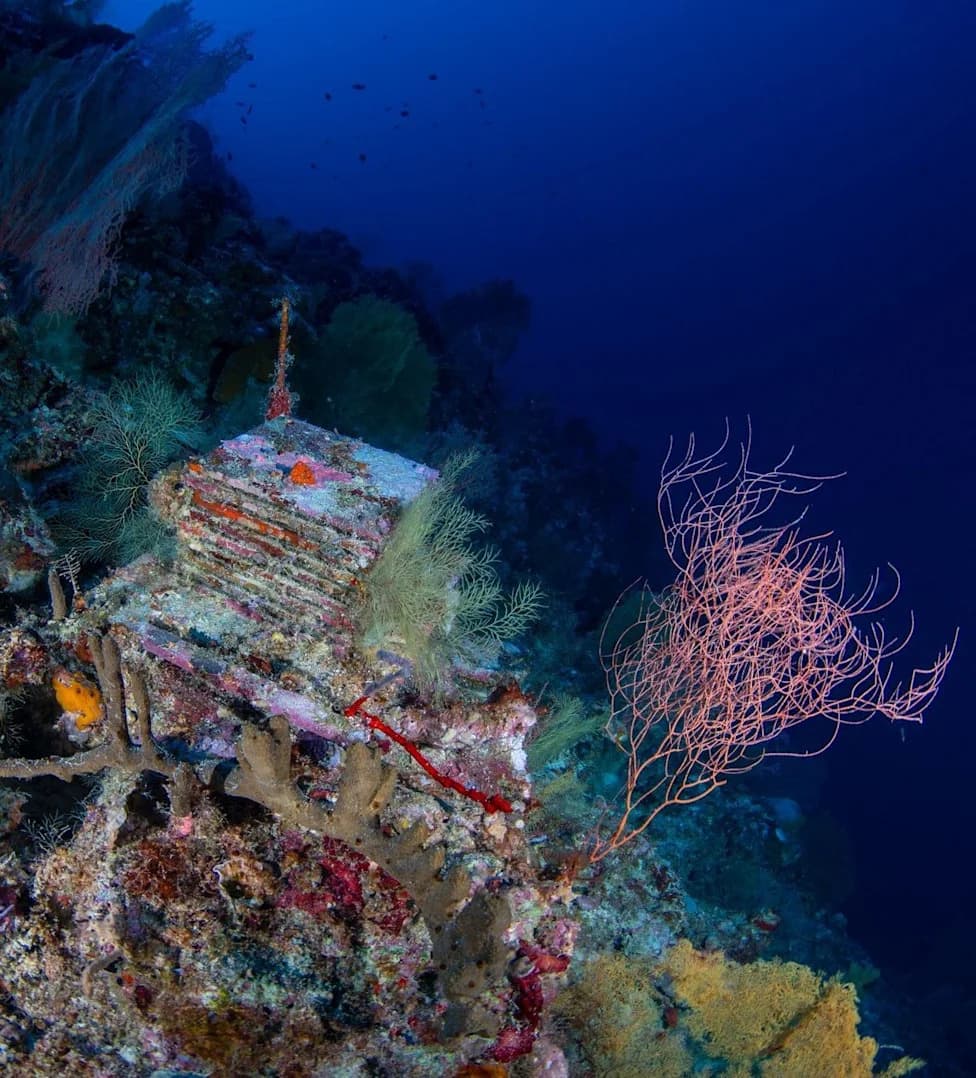
Exploration of rocky seamounts off Isla del Coco and along Costa Rica’s Pacific margin revealed dense carpets of brittle stars from which vivid yellow, tree‑like coral colonies rose like a golden forest in the dark. Researchers collected specimens at depths of 360–529 meters during expeditions in 2019 and 2023 aboard the research vessels Falkor and Falkor (too), supported by the Schmidt Ocean Institute. The remotely operated vehicle SuBastian photographed colonies in situ and recovered specimens for study.
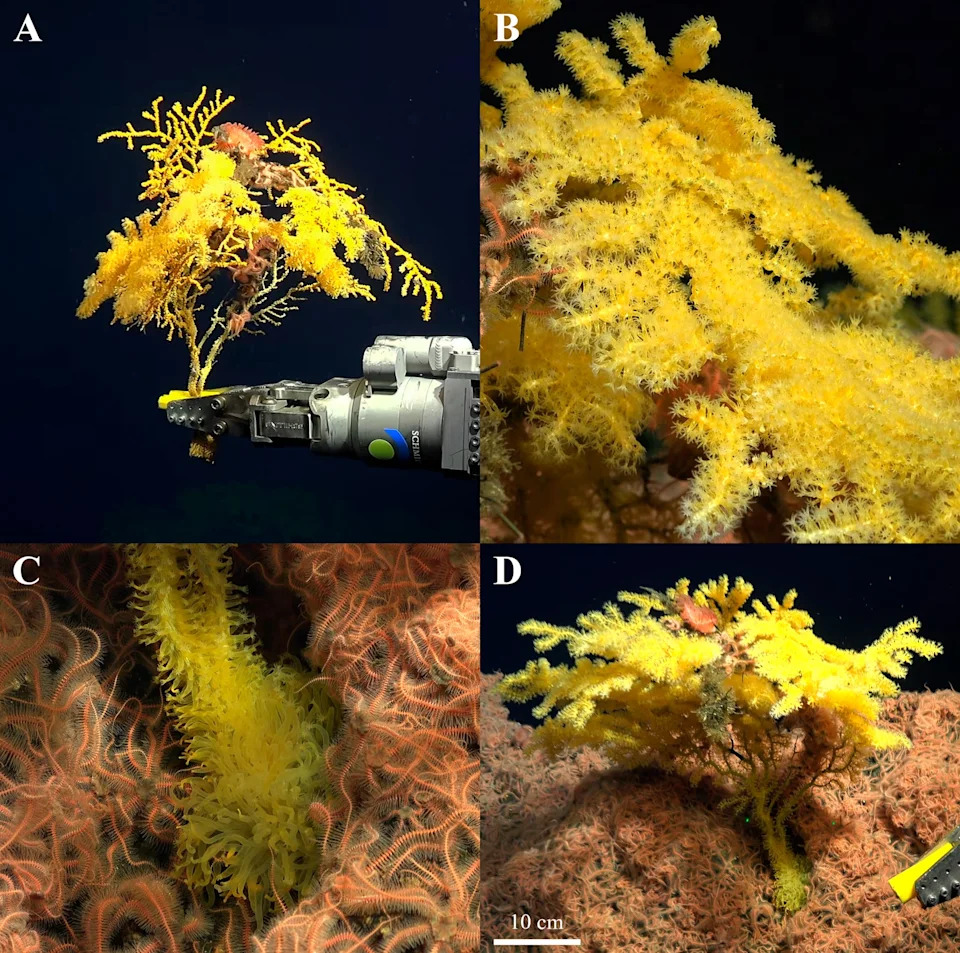
Laurinque elenya gen. et sp. nov., morphology of the holotype, in situ. (CREDIT: ZooKeys)
Name and Significance
The newly described organism is named Laurinque elenya (genus Laurinque, family Laurinqueidae). The genus name derives from “Laurinquë,” Quenya (an Elvish language created by J.R.R. Tolkien) for “golden tree,” and the species name elenya means “stellar” or “of the stars.”
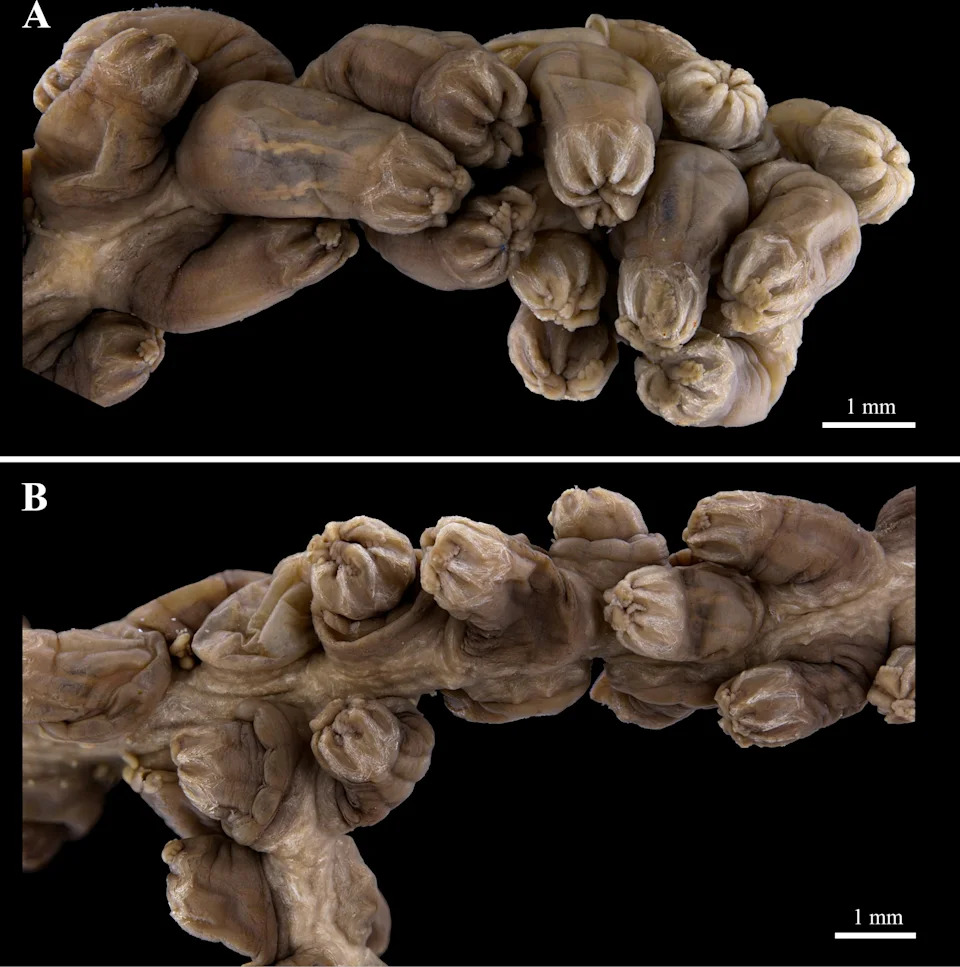
Laurinque elenya gen. et sp. nov. (CREDIT: ZooKeys)
“I saw the octocoral garden for the first time in 2019 and I was impressed by the beauty of the landscape, which inspired, later the elvish name of the taxa,” said Dr. Odalisca Breedy of the Universidad de Costa Rica, lead author of the study.
Distinct Anatomy and Microscopic Details
Although its bright color and branching suggested similarities with other deep‑sea octocorals, detailed morphological study showed important differences. Colonies are intensely yellow; some exceed 1 meter in height and up to 1.2 meters across. Branches form dense, irregular fans: some extend laterally and repeatedly subdivide, while others fuse, producing a tangled, tree‑like architecture. The internal axis is dark brown and protein‑rich, sheathed by a thin tissue layer; when alive the colony looks soft and fuzzy as many polyps extend.
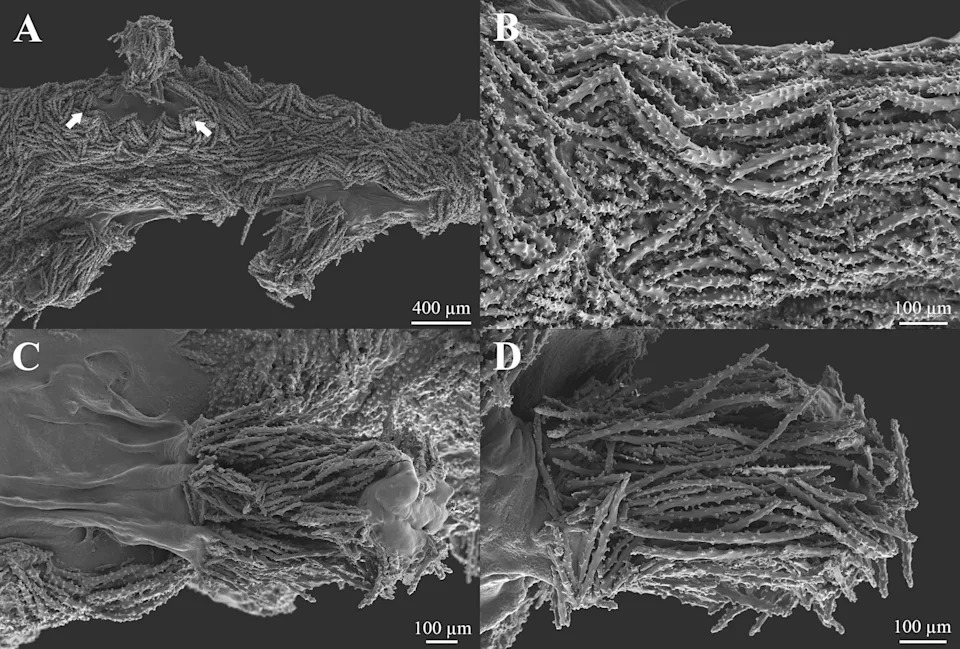
Laurinque elenya gen. et sp. nov., holotype, scanning electron micrographs from partially digested fragments. (CREDIT: ZooKeys)
Polyps are long, tubular and tightly arranged, occurring in rows on thicker branches and covering thinner branchlets. Individual polyps may reach ~5 mm and near branch tips often cluster in groups of four or five. Microscopic skeletal elements (sclerites) include rods, spindles and radiating forms with varied bumps and spines; their shapes and arrangement do not match described families, supporting recognition of a new lineage.
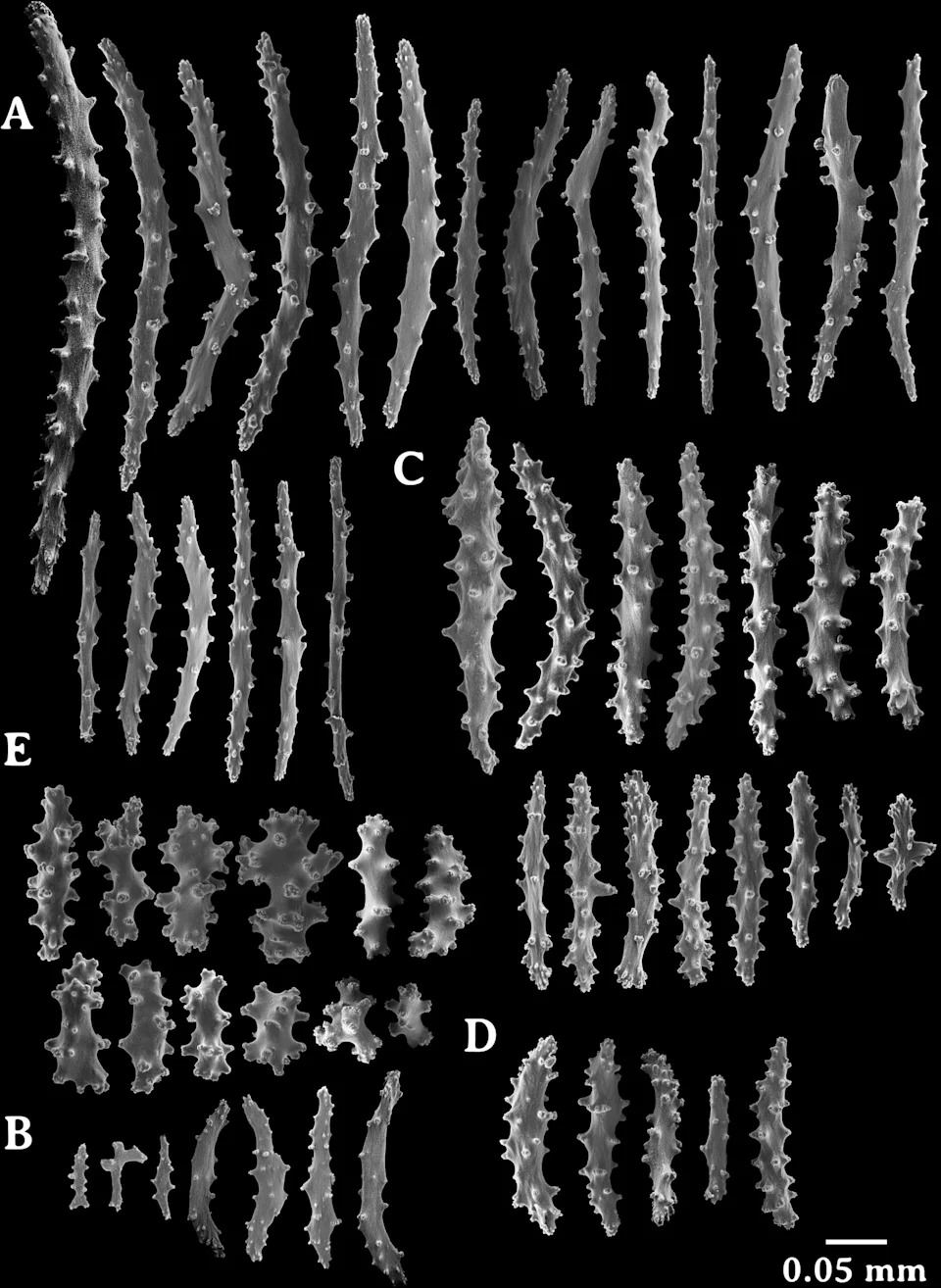
Laurinque elenya gen. et sp. nov., holotype, SEM micrographs. (CREDIT: ZooKeys)
Genetics and Phylogenomics
Initial sequencing of three commonly used gene markers produced conflicting signals: one marker suggested affinity with Incrustatidae, another with Eunicellidae, and a third placed the coral weakly near other gorgonian groups. To resolve these discrepancies, the team used phylogenomics—analyses of hundreds of genes at once. That broader genomic view placed the coral nearest to Eunicellidae but confirmed it is genetically distinct enough, together with anatomical differences, to merit a new family, Laurinqueidae.
Fieldwork, Specimens and Methods
Specimens collected in 2019 provided the first view of the coral garden; additional collections in 2023 enabled exhaustive molecular and morphological analyses. Samples were preserved in ethanol and at very low temperatures for molecular work; larger fragments were dried or fixed for morphological study. Reference specimens have been deposited at the Museo de Zoología, Universidad de Costa Rica.
Ecological and Conservation Importance
These deep‑sea coral gardens provide three‑dimensional structure and refuge for brittle stars and many other seafloor animals. Because such communities may qualify as vulnerable marine ecosystems—organisms are fragile and recover slowly after disturbance—documenting their composition is important for conservation and spatial management of seamount habitats within Costa Rica’s Pacific Exclusive Economic Zone.
Broader Implications
The discovery highlights how much of the deep ocean remains unexplored and how integrated approaches—morphology, targeted genetics and phylogenomics—are needed to reveal and correctly place previously hidden lineages. By adding Laurinqueidae to the octocoral tree of life, the study refines our understanding of octocoral evolution and strengthens the scientific basis for protecting deep‑sea biodiversity.
Publication: The findings are published in the journal ZooKeys.
Help us improve.