The blockade in the Strait of Hormuz has left over 1,500 ships anchored for months, allowing heavy biofouling — from microbes to barnacles — to accumulate on hulls. Researchers warn these organisms could hitch rides to ports worldwide and seed invasive populations that are costly and difficult to eradicate. Experts say current biofouling rules are inadequate and that climate change may further increase the risk.
Stranded Ships in the Strait of Hormuz Could Become Global 'Super‑Spreaders' of Invasive Marine Species
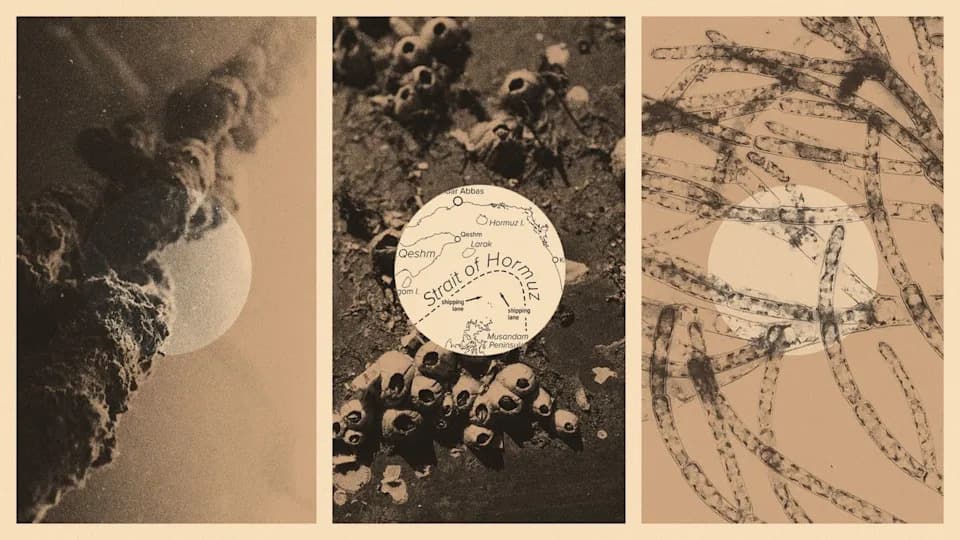
Ships in the Strait of Hormuz have had months of microbe growth. | Credit: Illustration by Stephen P. Kelly / Getty Images
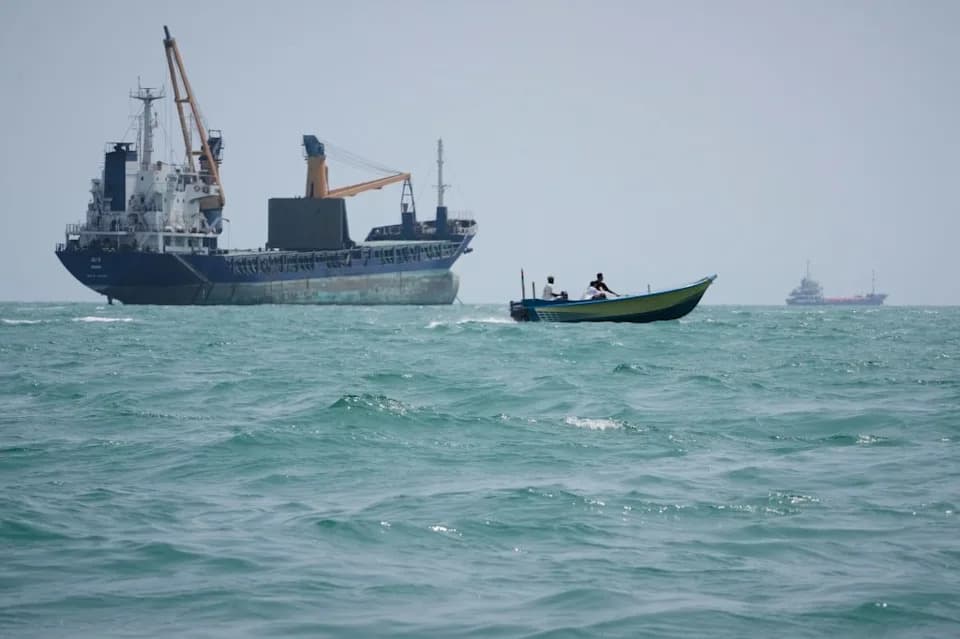
More than 1,500 vessels have been stranded in the Strait of Hormuz since February, creating an unexpected ecological hazard: months-long stationary periods have allowed dense communities of marine organisms to colonise ship hulls. Scientists warn these biofouled vessels could carry invasive species to ports around the world once normal shipping resumes.
What’s happening
A study published in Biological Invasions concludes there is a high likelihood that idle ships in the Strait will "facilitate the extensive spread of economically and ecologically damaging invasive species as they reenter the global shipping network." The process, known as biofouling, ranges from microbes and algae to barnacles and other invertebrates that accumulate on submerged surfaces.
Why this episode is unusual
Under normal conditions, ships anchor for one to three days, limiting fouling growth. In this blockade many vessels have remained stationary for months, allowing mature and dense marine communities to establish. Experts say organisms from the Persian/Arabian Gulf are adapted to extreme conditions and are therefore resilient candidates for successful invasion in new regions.
Ecological and economic risks
Marine invasive species can outcompete native fauna, alter food webs and habitats, and be essentially impossible to eradicate once established. They may also carry parasites and pathogens trapped in ballast water or associated with organisms on hulls. Biofouling increases hull drag, raising fuel consumption and emissions, and invasions can disrupt fisheries and aquaculture, imposing substantial management costs.
"Current ship biofouling management and regulatory frameworks are insufficient to mitigate the impacts of large-scale, unplanned vessel lay-up events," the study warns.
Broader drivers and response
Climate warming is already expanding the ranges of many marine species and can increase the likelihood that transported organisms will survive in new ports. Researchers call for improved monitoring, targeted hull cleaning, stronger biofouling regulations and international coordination to reduce the risk of a large-scale, unintentional biological invasion as ships rejoin global trade.
Bottom line: The immediate human and economic consequences of the regional conflict remain urgent, but the potential for a long-term, global ecological impact from stranded, biofouled vessels is real and warrants prompt, coordinated action.
Help us improve.