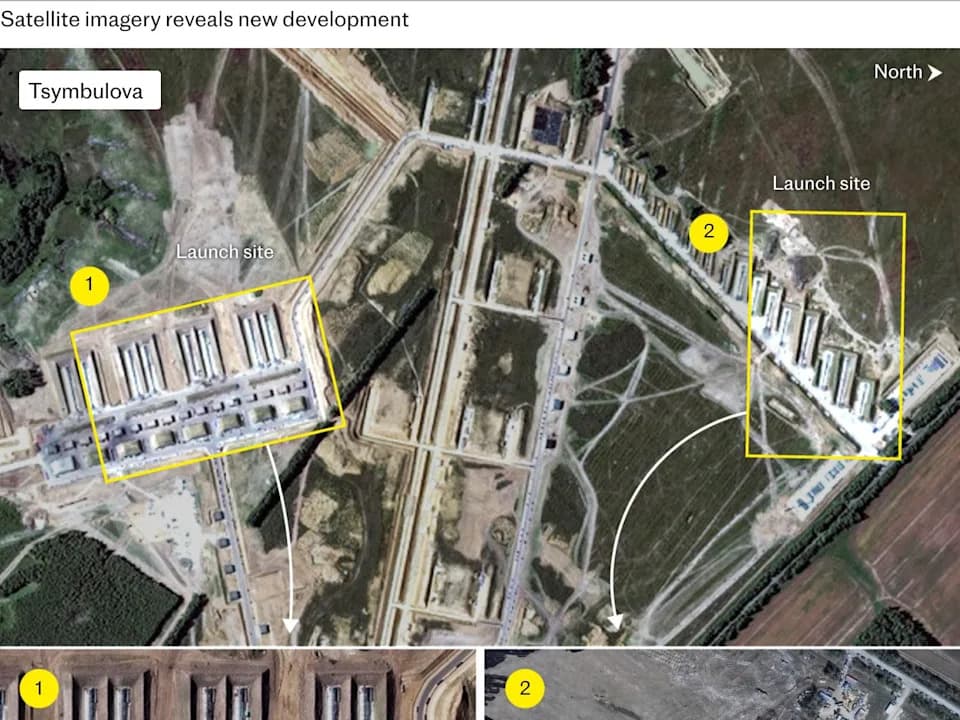
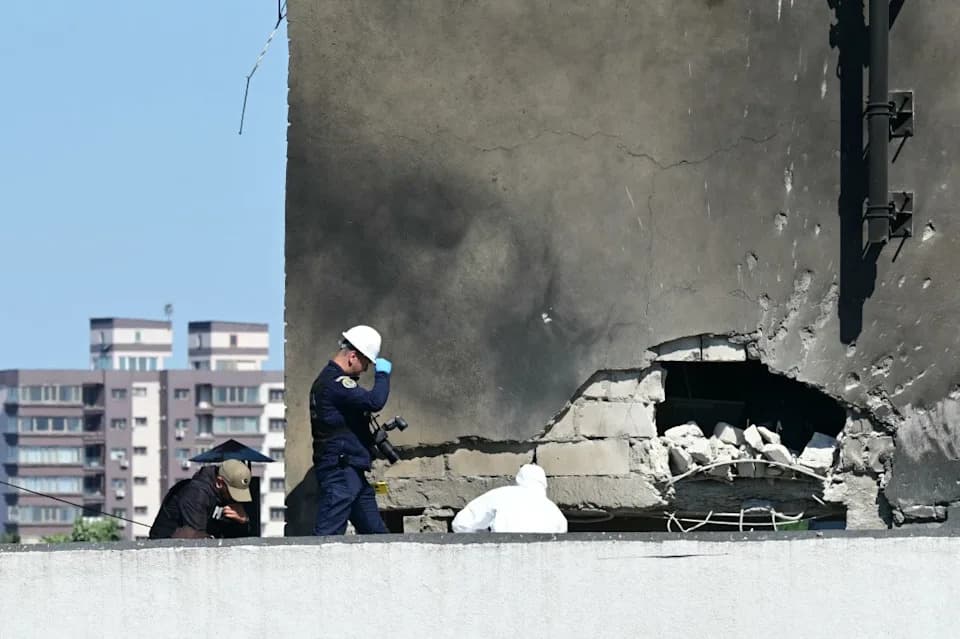
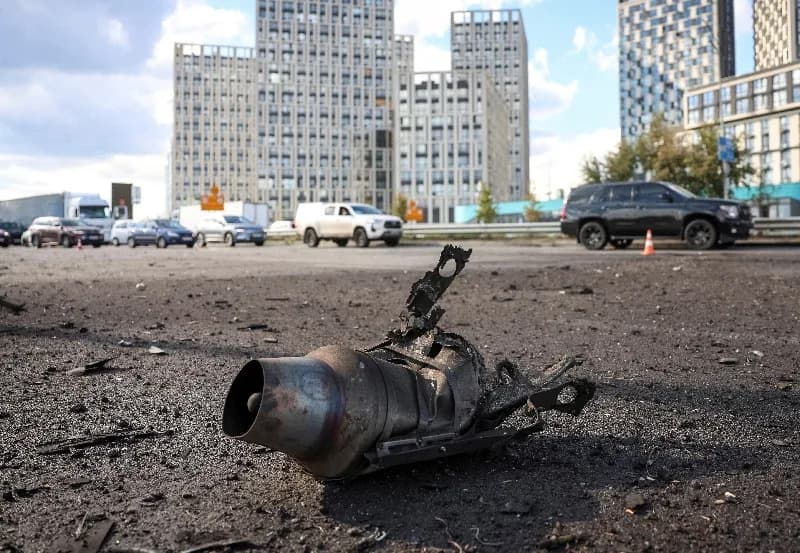
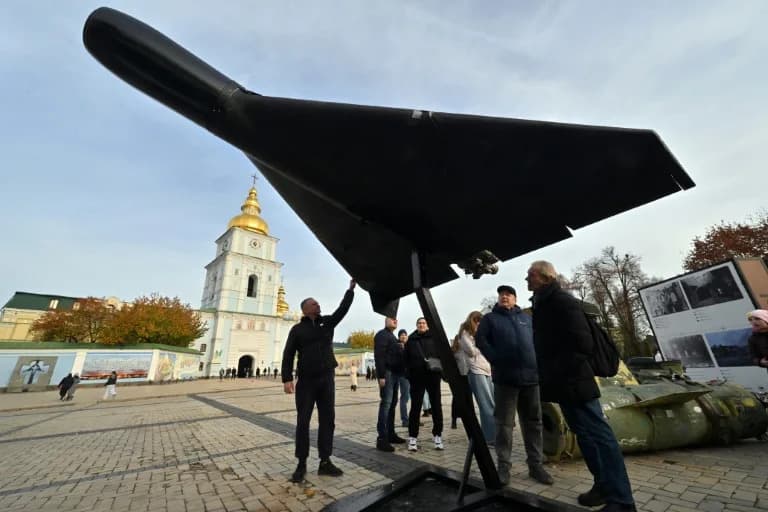
Key Findings: A Telegraph investigation identified 10 covert Russian sites fitted with at least 59 new drone launch rails along the Belarus–Ukraine frontier, around 20 of which appear extended for long-range jet variants. Leaked documents name Geran-4 and Geran-5 as the latest models, reportedly able to carry a 90kg warhead and travel near 620 miles. NATO says it is strengthening readiness and counter‑drone capabilities in response to the expanded threat.
Investigation: Russia’s Covert Drone Bases Expand Reach Toward NATO
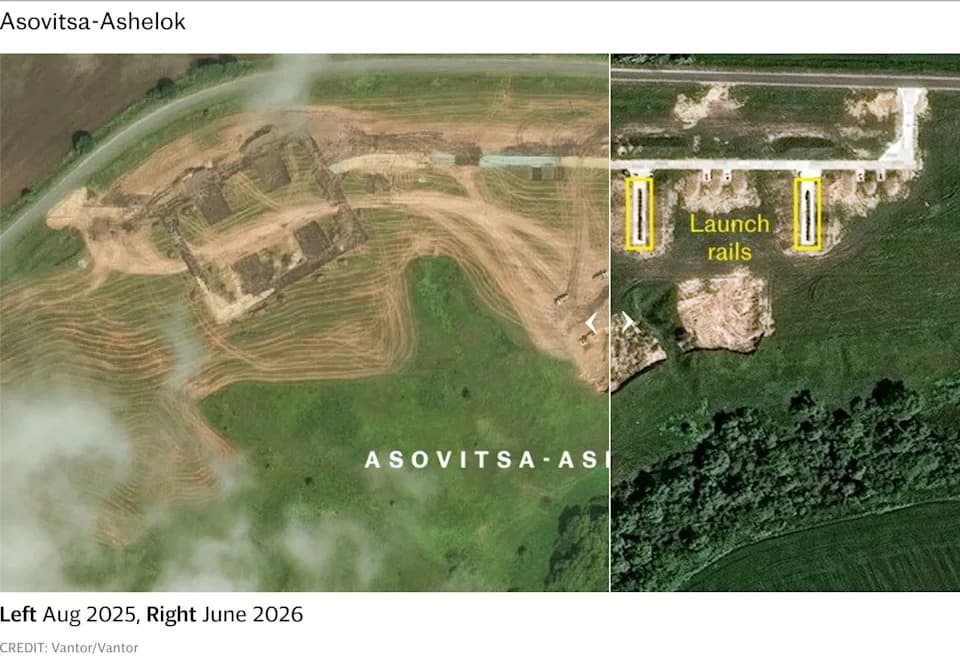
A Telegraph investigation, supported by leaked documents and satellite imagery, has identified a network of covert Russian bases equipped with newly constructed launch rails capable of sending long-range attack drones deep into NATO territory. The findings raise fresh concerns about the widening reach and scale of Russia's unmanned strike capabilities.
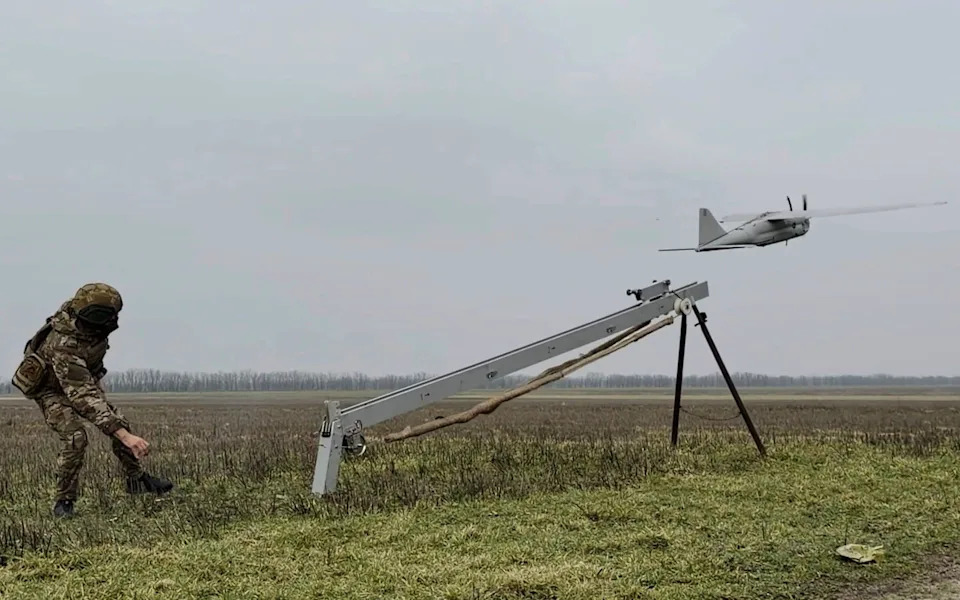
A Russian serviceman launches a drone - Russian Defense Ministry Press Service via AP
Investigation Findings
Researchers located 10 sites near Russia's borders with Belarus and Ukraine that have been fitted with at least 59 new launch rails — mechanical guide tracks that allow fixed-wing drones to take off without a conventional runway. Imagery analysed by drone-intelligence firm DroneSec indicates roughly 20 of these rails are extended-length, consistent with the ability to launch newer, longer-range jet variants.

Vladimir Putin at a drone production facility in St Petersburg - Valery Sharifulin/via REUTERS
Leaked Ukrainian government documents and open-source reporting identify the latest variants as Geran-4 and Geran-5, reportedly able to carry roughly 90kg of explosives and to travel distances of up to about 620 miles (around 1,000 km). From several of the sites identified, those ranges would place Warsaw and other nearby targets within reach.
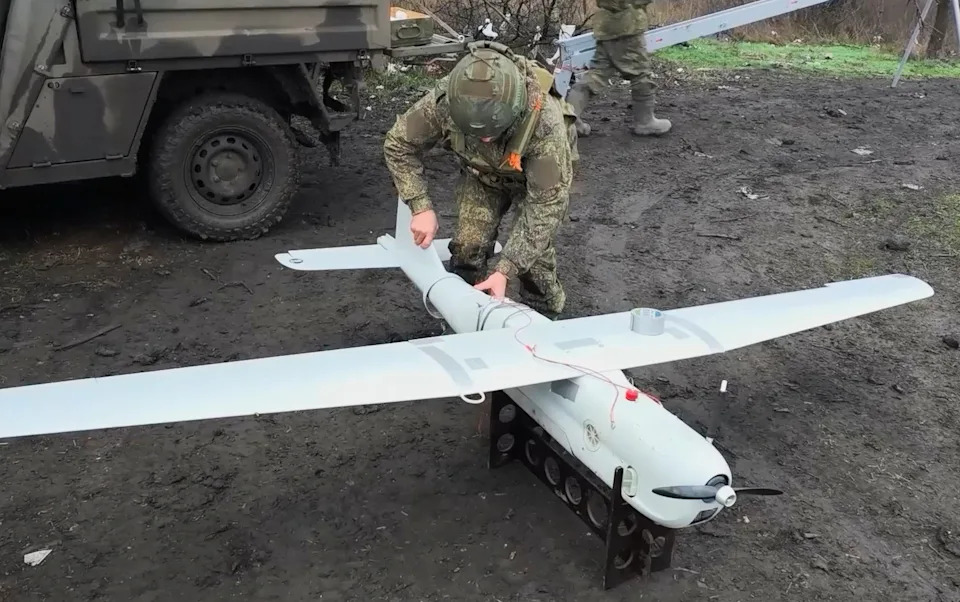
The Kremlin has 'significantly expanded' its drone network - Russian Defense Ministry Press Service via AP
Operational Capacity And Supply
Satellite images show a marked increase in drone infrastructure: one base appears to have storage capacity for more than 1,000 drones, and multiple locations are still under construction with additional launch rails. The Telegraph reports these hubs are being resupplied from several munitions and drone-production centres across Russia, including the Alabuga special economic zone, which is described as a drone-manufacturing campus producing an estimated 6,000 units a year.

Sign up to the Cables newsletter
Security Implications
European and U.S. intelligence officials told investigators they are concerned Moscow could consider armed provocations on allied soil — including missile or drone strikes on critical infrastructure — or false-flag operations blamed on Ukraine. The reporting stresses that there is no public evidence Russia currently intends to strike NATO members, but that the expanded network increases long-term risk and complicates deterrence planning.
"We are ready to defend every inch of allied territory," a NATO official told The Telegraph, adding the alliance is continuing to enhance readiness and scale counter‑drone capabilities.
Technical Developments
Moscow has been rapidly adapting Shahed-type designs, deploying higher-speed jet variants that analysts say are harder to intercept. Ukrainian military intelligence (the GUR) has also warned that some Geran drones may be modified with air-to-air missiles to threaten aircraft protecting Kyiv.
Conclusion
The Telegraph's investigation maps a swift expansion of Russia's drone launch infrastructure close to NATO's eastern flank. While immediate attacks on allied territory are not confirmed, the scale and technical improvements of the network present a strategic challenge: they increase the number of unmanned systems Moscow can field and raise the complexity of air-defence planning for both Ukraine and NATO members.
Help us improve.