The SPD is proposing a constitutional amendment to make climate adaptation and nature conservation a shared federal‑state responsibility, enabling long‑term federal funding for state and municipal resilience measures. Proposed actions range from heat protection in hospitals and nursing homes to expanding urban green space and strengthening water infrastructure. SPD leaders are also calling for an immediate funding programme and a national heat action plan, while conservatives express scepticism; a Basic Law change would require a two‑thirds majority in both houses. Germany has warmed by about 2.5°C since pre‑industrial times, and the RKI estimates roughly 12,500 heat‑related deaths so far this year.
SPD Urges Constitutional Change to Tackle Extreme Heat and Unlock Long-Term Funding

A woman walks under a parasol in the blazing sun during hot weather. (is associated with: «Germany's SPD calls for constitutional action on extreme heat») Karl-Josef Hildenbrand/dpa
The centre-left Social Democratic Party (SPD) is pressing Germany’s conservative coalition partners to strengthen protections against heatwaves, low river levels and other climate-driven threats — including by amending the Basic Law to make climate adaptation and nature conservation a shared federal‑state responsibility.
A policy paper produced by SPD-led federal ministries and seen by dpa argues that effective adaptation requires a nationwide approach that “sets priorities, pools resources, intensifies coordination and enables rapid action.” The document, prepared ahead of a Cabinet retreat at the end of August and first reported by Der Spiegel, outlines both short-term measures and a proposal for constitutional change during the current parliamentary term.
What the Amendment Would Do
Under the SPD proposal, enshrining climate adaptation and nature conservation in the constitution would allow the federal government to provide long-term, stable funding to states and municipalities for adaptation measures. That funding could support projects such as:
- Installing heat-protection systems in hospitals, nursing homes and other social facilities;
- Expanding urban green spaces and removing or redesigning paved surfaces to reduce urban heat;
- Strengthening drinking-water and wastewater infrastructure against climate impacts;
- Improving flood defences and other resilience measures for communities at risk.
Immediate Steps and Public Health Plan
While the constitutional route is pursued, the SPD ministries call for an immediate programme to boost funding for heat protection in vulnerable institutions such as nursing homes, daycare centres and hospitals. They are also advocating a national heat action plan to better protect public health during extreme-heat events.
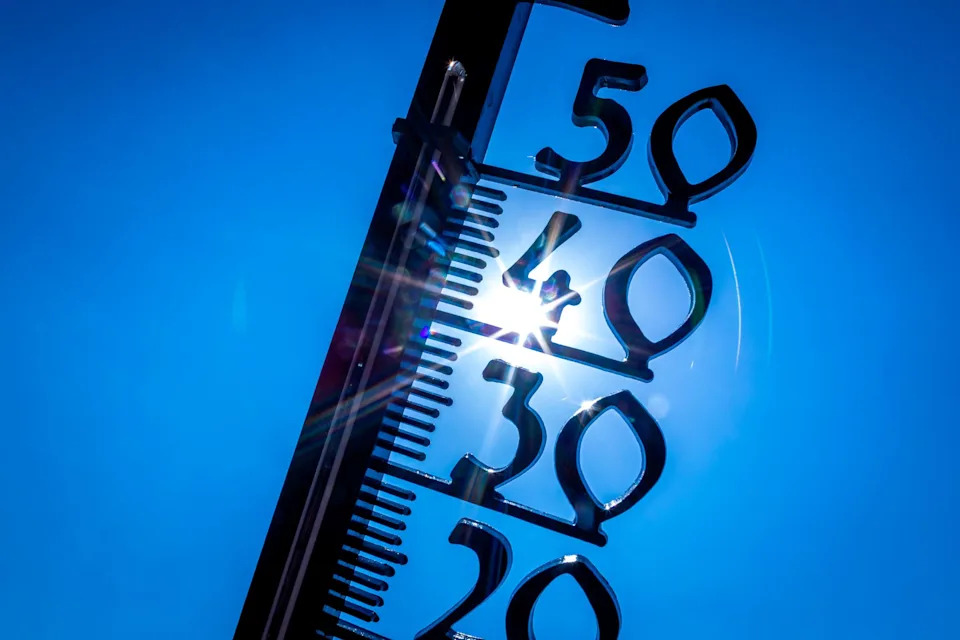
A view of an outdoor thermometer. (is associated with: «Germany's SPD calls for constitutional action on extreme heat») Jens Büttner/dpa
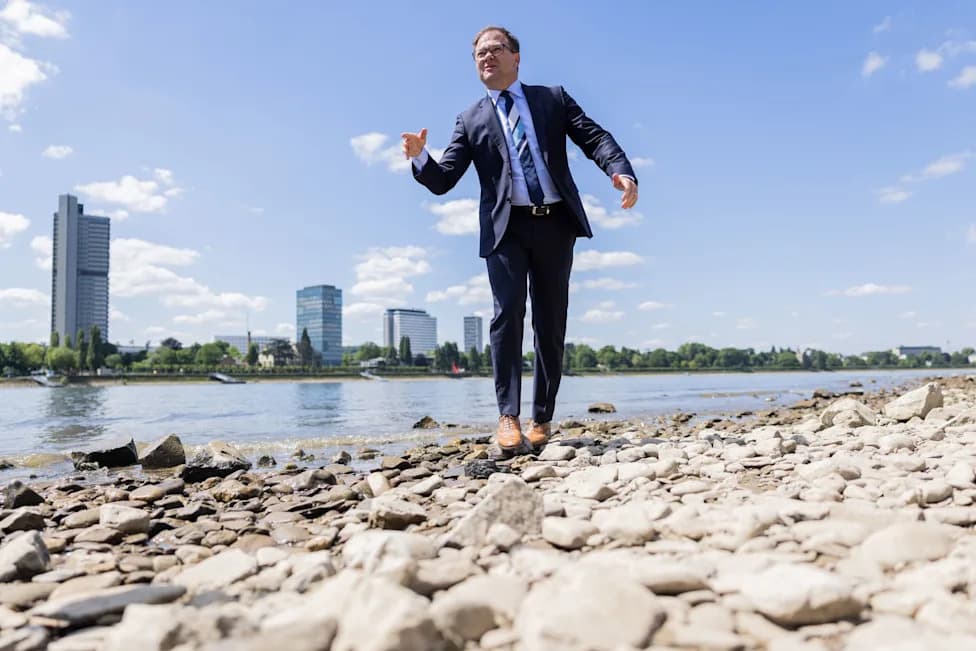
Lars Klingbeil, SPD co-leader and Germany’s finance minister, said this summer’s heat-related deaths, low water levels and wildfires underline the urgency for political action: “This has nothing to do with bad weather. This is climate change, and something must be done about it politically.”
Workers, Compensation and Other Measures
The policy paper also addresses impacts on workers, proposing that collective bargaining agreements could include compensation provisions for heat-related work stoppages to prevent income loss for affected employees.
Political Hurdles
Conservative coalition members have voiced scepticism about changing the Basic Law. CDU parliamentary deputy leader Klaus Mack told the Rheinische Post that the coalition agreement only committed the government to examining the idea and that whether an amendment is appropriate will depend on the concrete proposal.
Any amendment to Germany’s constitution requires a two-thirds majority in both houses of parliament. The governing coalition currently lacks the necessary votes in the Bundestag even if the Greens back the change, making the reform politically challenging.
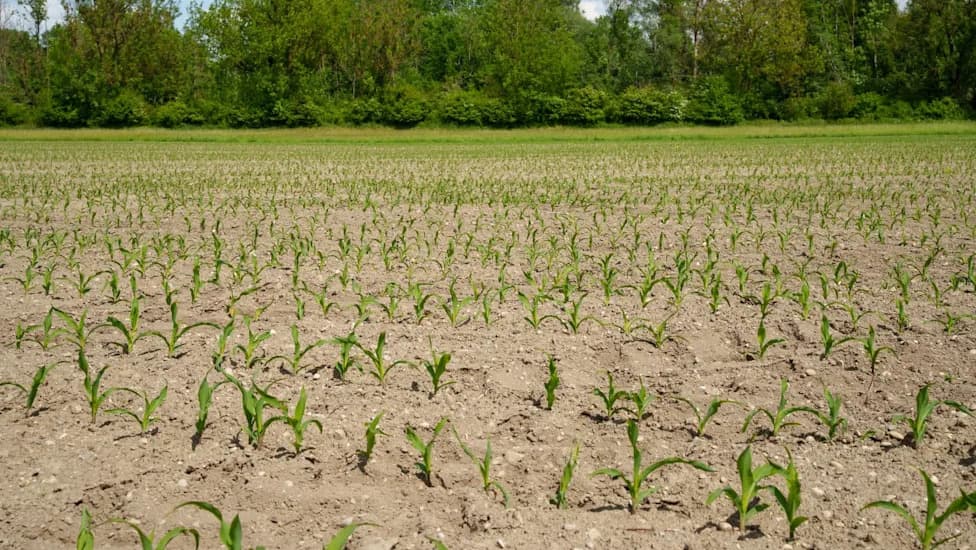
Germany has warmed by roughly 2.5°C compared with pre-industrial levels, above the global average, the German Weather Service says. That warming is linked to more frequent heatwaves and droughts, threatens agriculture and drinking-water supplies, and raises wildfire risk.
The SPD proposal frames the constitutional route as a way to ensure sustained, coordinated action across federal and state levels — while urging immediate measures to protect the most vulnerable as temperatures continue to climb.
Help us improve.