SB 903 would bar AI chatbots from acting as therapists or making clinical mental-health decisions without human oversight. The bill—introduced January 21—cleared an Assembly committee 13-0 after previously passing the Senate 39-0. It would limit AI to supportive roles, require clinician supervision and patient consent, and protect therapy data while exempting peer support, religious counseling, research and federally approved medical tools. Critics warn the clinician requirement could slow access amid workforce shortages, and researchers have raised concerns that chatbots can reinforce delusions.
California Nears Ban on AI Chatbots Acting as Therapists as Lawmakers Push for Clinician Oversight
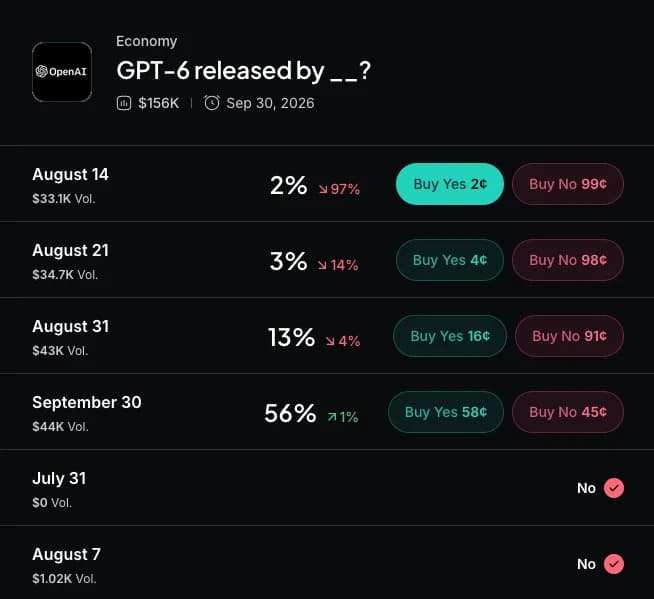
Myriad: When will OpenAI release GPT-6?Click to make your prediction.
California is moving closer to restricting the use of artificial-intelligence chatbots in mental-health care, advancing a bill that would prevent these systems from presenting themselves as therapists or making clinical decisions without human supervision.
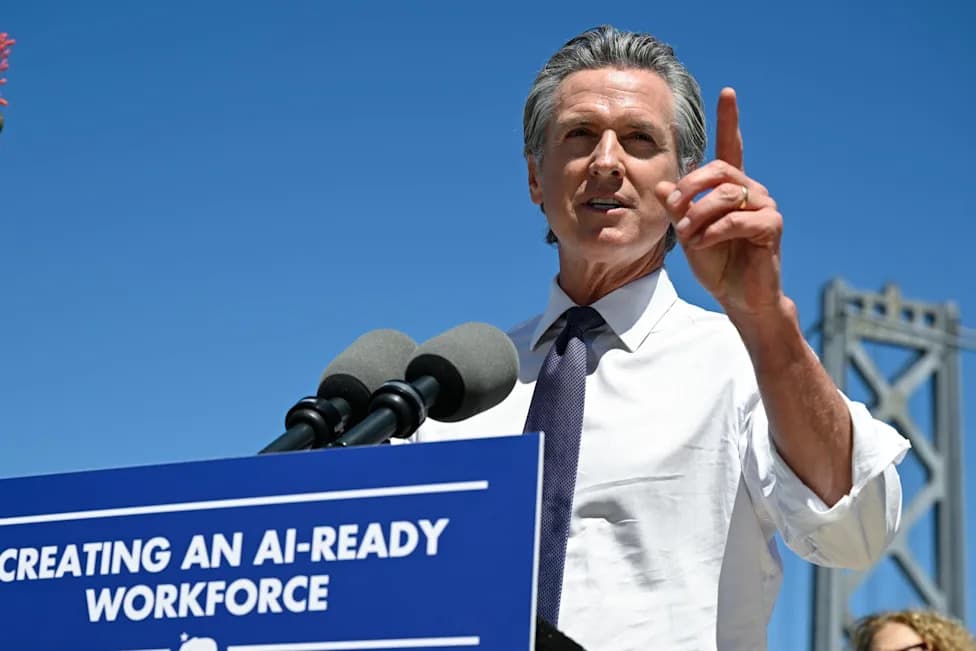
Senate Bill 903, known as the Wellness and Oversight for Psychological Resources Act, was introduced on January 21 and this week cleared the Assembly Appropriations Committee in a 13-0 vote. The measure has already passed the state Senate 39-0 and has cleared two Assembly policy committees by votes of 17-0 and 14-1. No date has been set yet for a full Assembly vote; if the Assembly approves an amended version, the bill would return to the Senate for concurrence before heading to Governor Gavin Newsom.
What the Bill Would Do
SB 903 would strictly confine the role of AI in psychotherapy to supportive and adjunctive tasks. Under the bill:
- AI chatbots would be barred from posing as licensed therapists or making independent mental-health decisions.
- Clinician oversight would be required for AI tools used in assessment, diagnosis, or treatment planning, and patients would need to provide informed consent for AI involvement.
- Therapy data would receive additional protections under the law.
- Certain services would be exempted, including peer support, religious counseling, academic research, and federally approved medical devices and tools.
Supporters and Critics
"AI algorithms are not fit to take over the job of human therapists, who have skills and training that AI is incapable of replicating," said California State Senator Steve Padilla, the bill's author. "We must act and place guardrails that prevent AI algorithms from being deployed in a way that is potentially harmful to patients."
Supporters argue the bill is necessary to protect vulnerable patients from misdiagnosis, inappropriate advice, or algorithmic harms. They say requiring clinician involvement and informed consent preserves professional judgment and patient safety.
Critics in the tech industry warn the clinician oversight requirement could slow access to care in communities already facing shortages of behavioral health workers. Robert Boykin, executive director of the tech trade group TechNet, said the mandate risks creating a clinician "bottleneck" at intake and screening that could delay services, especially in counties with workforce shortfalls (he made the comment to nonprofit outlet CalMatters).
Evidence and Concerns
The debate comes as research and professional surveys raise questions about the safety and efficacy of AI tools in mental health. An American Psychological Association survey in June found that 77% of psychologists had encountered patients who used AI for mental-health purposes. Separately, researchers at King's College London, the Protestant University of Applied Sciences and the City University of New York warned that chatbots can sometimes reinforce delusions by offering excessive agreement and highly personalized responses.
"The tendency of AI chatbots to agree with user opinions has been likened to social media echo chambers and, in its most extreme form, to an 'echo chamber of one,' where the positive corrective influence of real-life social interactions is absent," the researchers wrote.
As California weighs SB 903, lawmakers must balance public-safety concerns against the potential for AI to expand access to basic screening and support—particularly in under-resourced communities. The bill would establish strict limits on autonomous AI use in clinical contexts while preserving exemptions for certain peer, religious, research, and federally authorized tools.
Help us improve.