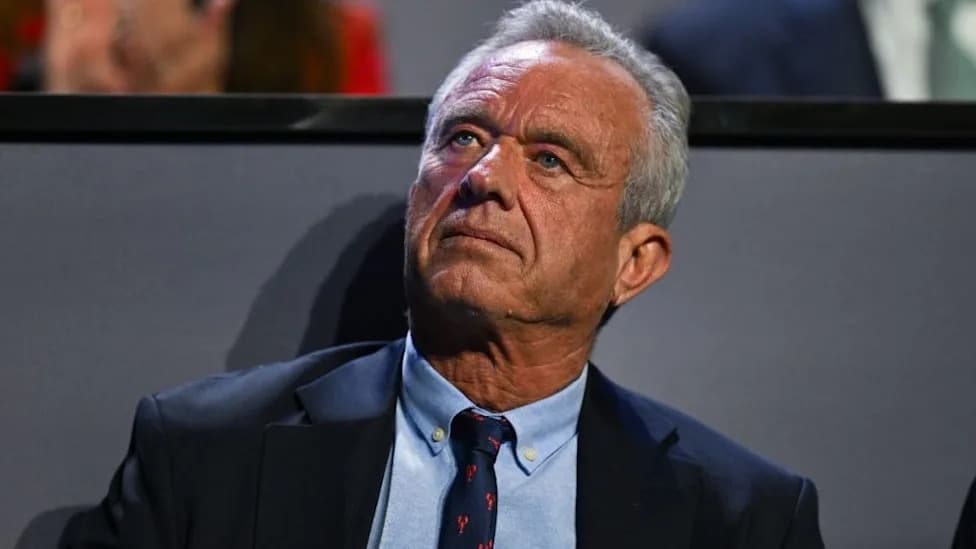
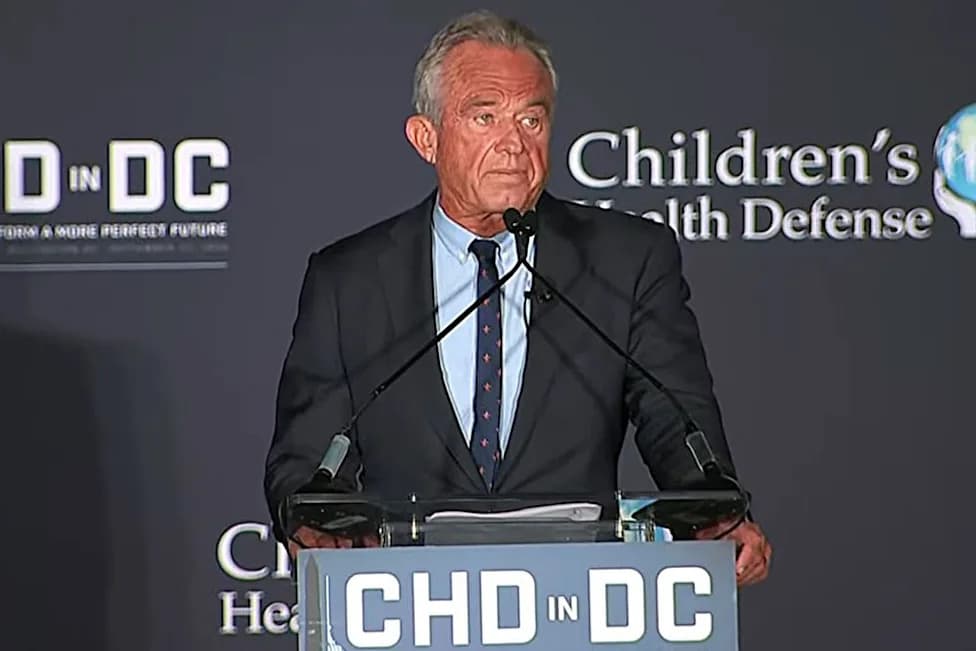
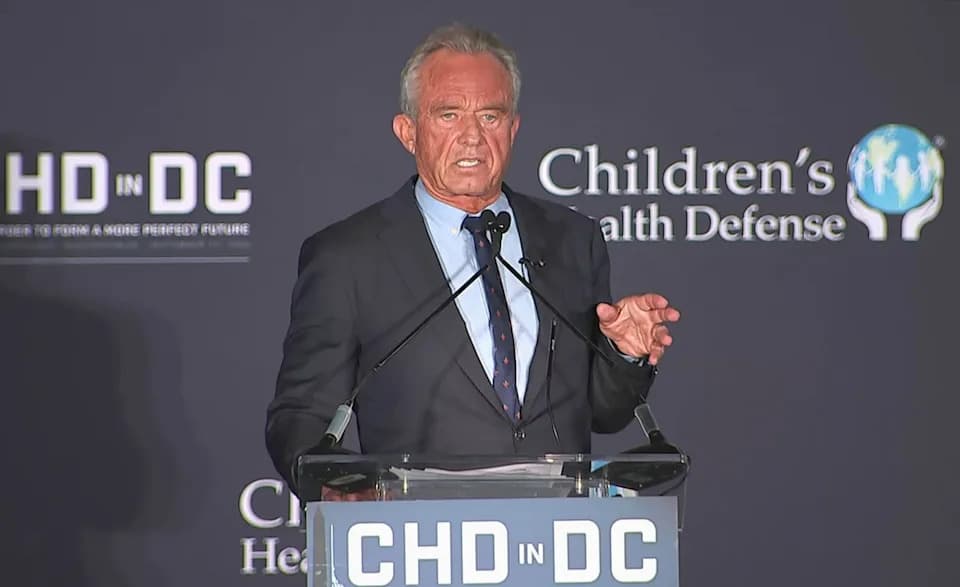
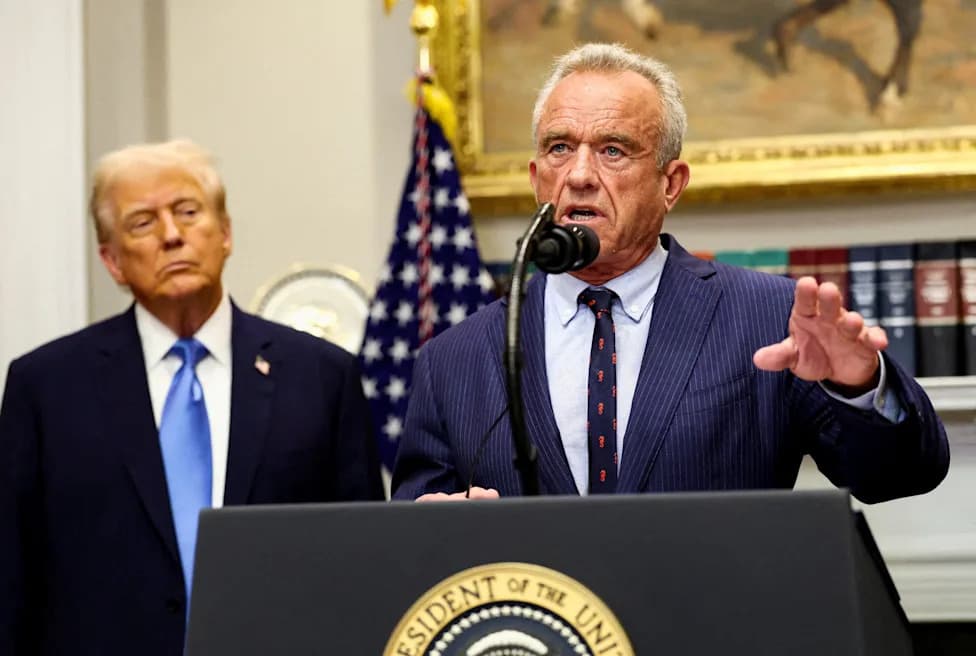
Sen. Bill Cassidy says HHS Secretary Robert F. Kennedy Jr. misled him to win a confirmation vote and that "the American people have been poorly served." Cassidy, a physician, criticized a recent executive order changing childhood immunization practices as "stupid" and unscientific. He said he voted after receiving assurances from Kennedy and the White House that established, science-backed vaccine guidance would remain intact, and after hearing constituent concerns about ultra-processed foods.
Sen. Bill Cassidy Says RFK Jr. Misled Him to Win Confirmation Vote: "The American People Have Been Poorly Served"
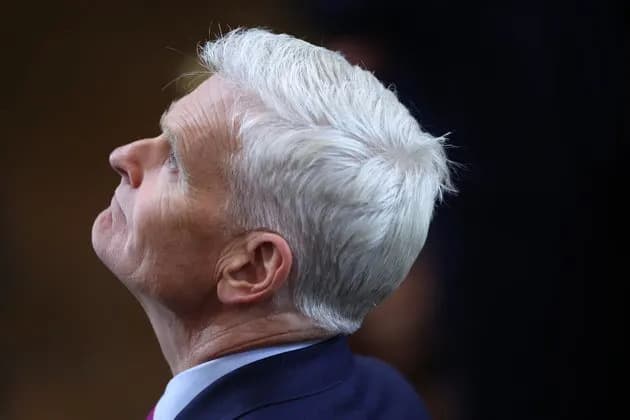
Sen. Bill Cassidy (R-La.) accused Health and Human Services Secretary Robert F. Kennedy Jr. of misleading him to secure his confirmation vote, saying Sunday that "the American people have been poorly served" by the secretary's actions.
A physician by training, Cassidy has been vocal about vaccine policy and criticized what he called the most recent executive order that changes childhood immunization practices — including spacing out shots and altering the combined measles, mumps and rubella (MMR) vaccine. He described that policy as "stupid" and not grounded in science.
"If it wasn't so potentially tragic, you would break out laughing. It is wrong on so many levels," Cassidy told CNN's State of the Union.
Cassidy was pressed by ABC's Martha Raddatz on This Week about his decision to vote to confirm Kennedy, whom critics have labeled a vaccine conspiracy theorist. Cassidy said his vote was influenced both by assurances from Kennedy and the White House that existing, science-backed vaccine guidance would remain unchanged and by concerns raised by his constituents about ultra-processed foods.
Explaining his decision-making process, Cassidy added: "The point is that when you're marking the decision process, you're taking in everything at once. And you just make the best decision that presents at the time."
Cassidy's comments highlight the political and public health tensions surrounding vaccine policy and the standards of transparency expected of top health officials. The dispute underscores questions lawmakers and the public continue to raise about how vaccine guidance is developed and communicated.
Help us improve.