Summary: The trial of Lindsay Clancy, accused of killing her three children in Duxbury, Massachusetts on 24 January 2023, centers on whether she acted deliberately or was driven by severe postpartum mental illness. Defence lawyers say Clancy suffered postpartum psychosis and bipolar disorder and received inconsistent care and multiple medications from different providers; prosecutors argue the killings were planned. The case raises questions about polypharmacy, clinical coordination and how courts weigh psychiatric illness in criminal responsibility.
Duxbury Tragedy: Trial of Lindsay Clancy Raises Questions About Maternal Mental Health and Medical Care

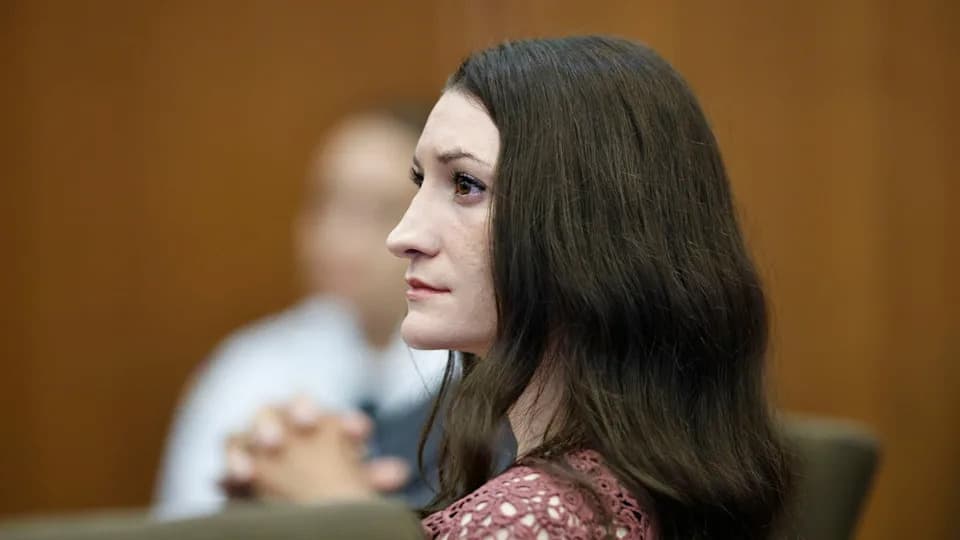
Lindsay Clancy was charged with killing her three children in 2023 - Greg Derr/USA Today
On 24 January 2023, the town of Duxbury, Massachusetts, was shaken when three young children were found dead and their mother, Lindsay Clancy, was seriously injured in an apparent suicide attempt. Clancy, 36, is on trial in Plymouth Superior Court on three counts of first-degree murder; she has pleaded not guilty and her defence argues she was suffering severe psychiatric illness at the time of the deaths.
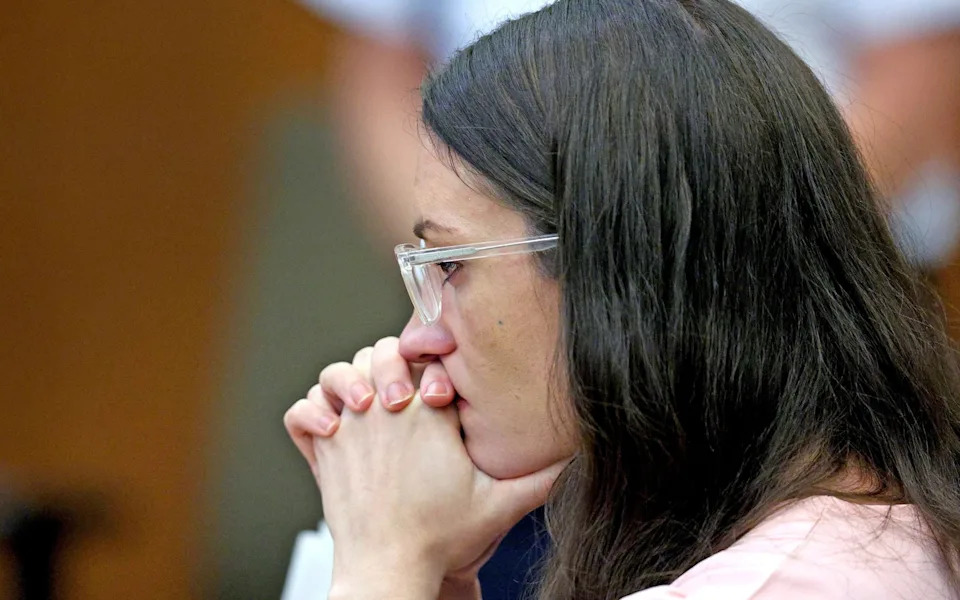
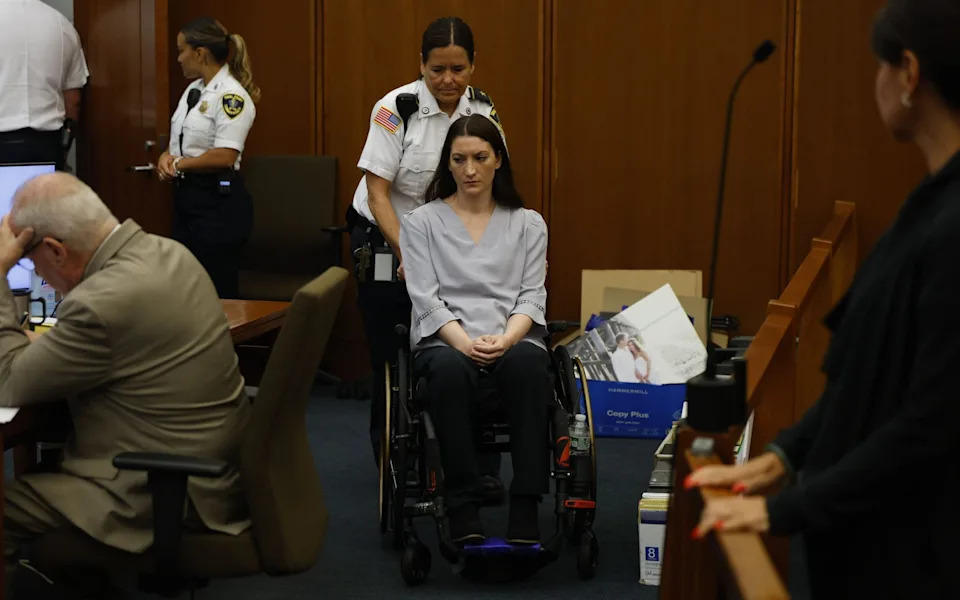
Clancy in court during her murder trial at Plymouth Superior Court in August - Greg Derr/USA Today
What Happened
Prosecutors say Clancy intentionally killed her three children — five-year-old Cora, three-year-old Dawson and eight-month-old Callan — and then attempted to take her own life by cutting her wrists and falling from a second-floor window, an injury that left her paralyzed from the waist down. Her then-husband, Patrick Clancy, found the scene and testified about his frantic efforts to resuscitate the children. A recording of his 911 call was played in court.
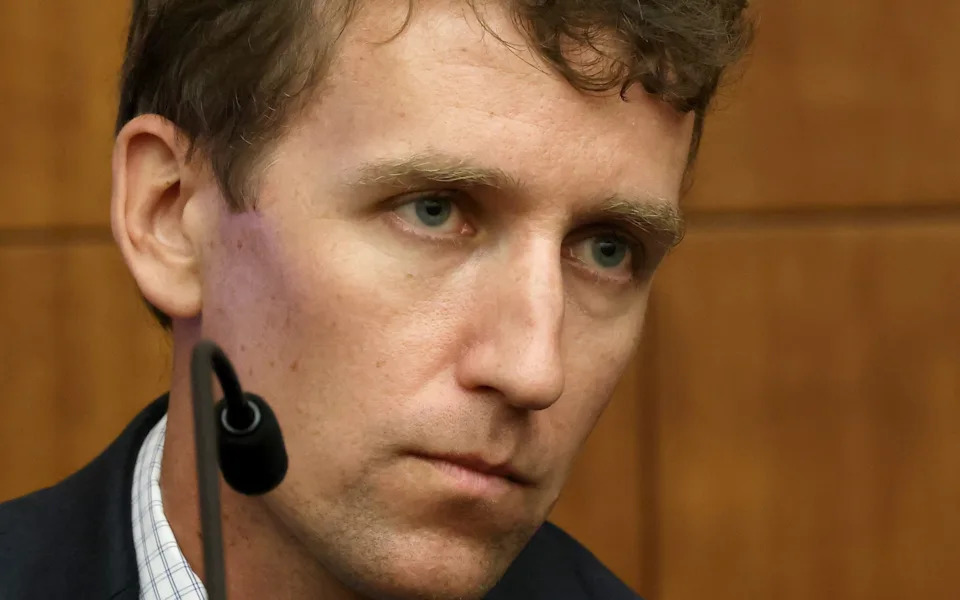
'I wasn't married to a monster – I was married to someone who got sick': Patrick Clancy at his former wife's murder trial - David L. Ryan/The Boston Globe
Legal Arguments
The prosecution contends the killings were planned and deliberate, arguing Clancy delayed her husband’s return home and had time to change her mind. Assistant District Attorney Jennifer Sprague told jurors the murders were carried out methodically and that the children were killed by ligature strangulation, a process prosecutors say can take several minutes.
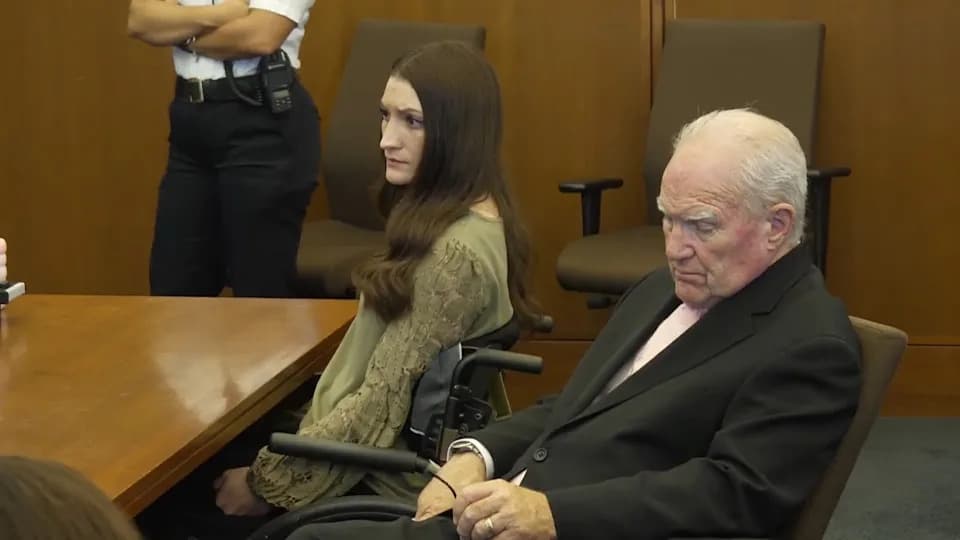
Clancy was left paralysed after jumping out of her bedroom window in Duxbury - CJ Gunther/The Boston Herald
Clancy’s defence does not dispute that she caused the deaths but asserts she was not criminally responsible due to severe postpartum mental illness. Defence lawyers describe a state of postpartum psychosis and bipolar disorder that left Clancy dissociated and unable to control her actions.

Clancy was prescribed 13 different medications by five separate providers - David L. Ryan/USA Today
Medical Care Under Scrutiny
Public and legal attention has focused heavily on Clancy’s psychiatric care. Court filings and civil malpractice suits from both Lindsay and Patrick Clancy say she was prescribed 13 different medications by five separate clinicians. The malpractice complaints allege poor coordination among providers and that repeated antidepressant prescriptions without appropriate mood stabilisers may have worsened an underlying bipolar condition.

Psychiatric nurse practitioner Rebecca Jollotta testified at Clancy's murder trial - Jonathan Wiggs/REUTERS
Experts cited in those filings include psychiatrist Dr Margaret Spinelli, who examined Clancy after the deaths and diagnosed Bipolar I Disorder with postpartum onset, psychosis and anxious distress. Forensic psychologist Dr Paul D. Zeizel warned that polypharmacy — multiple simultaneous medications — may have obscured diagnosis and exacerbated psychiatric vulnerability.

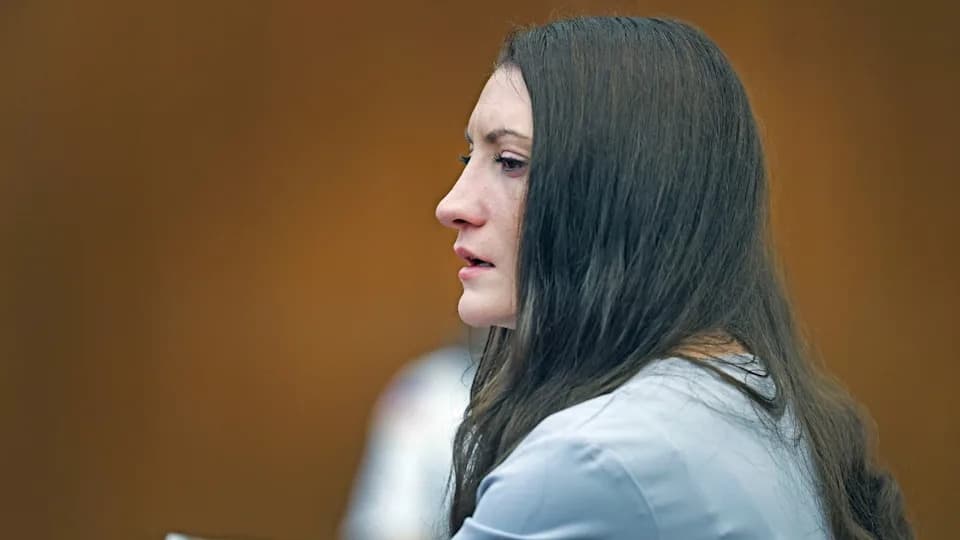
As Mr Clancy's distressed call to 911 was played to the court, Clancy sobbed with her head in her hands - David L. Ryan/USA Today
The record shows varying assessments by treating clinicians: some providers prescribed SSRIs and sedatives, one practitioner prescribed Seroquel, and at least two hospital evaluations (including Women & Infants and McLean Hospital) led to brief admissions and differing conclusions about the nature and cause of Clancy’s symptoms.

A makeshift memorial in Duxbury for the Clancys' three children - MediaNews Group/Boston Herald via Getty Images
Key Testimony and Evidence
Mr Clancy testified that Lindsay had called him the evening of 24 January asking him to pick up food and medicine; when he returned, he discovered the locked bedroom, blood and the open window. Lindsay told him she had tried to kill herself. In court, the defence described Lindsay’s accounts of hearing a male voice instructing her to kill the children so she could kill herself, and of experiencing a dissociative state in which she watched herself act.

Many people in the community have shown their support for Clancy - Boston Globe
Prosecutors highlighted online searches and other circumstantial evidence to argue intent. Defence attorneys and expert witnesses emphasise severe psychiatric symptoms, medication side effects and fragmented care as factors that could have driven the behaviour.
Community Reaction and Social Media
The case has prompted strong emotions in Duxbury and nationwide. Some local residents have expressed sympathy for Clancy; others insist on accountability. The trial’s public visibility has also fuelled conspiracy theories and amateur sleuthing across social media platforms, where users have speculated about motives and scenario details without evidence.
Legal Stakes and Broader Implications
If convicted of first-degree murder, Clancy faces life in prison without parole. If the jury finds she lacked criminal responsibility due to mental illness, she could be committed to a state psychiatric facility. Beyond the immediate legal outcome, the trial has amplified debate over how perinatal mental illness is recognised and treated, coordination of psychiatric care, and the risks of polypharmacy.
Conclusion
The Clancy case is both a criminal prosecution and a flashpoint in public discussion about maternal mental health and the U.S. medical system’s ability to diagnose and manage severe perinatal psychiatric illness. The trial continues, and its findings may have implications for clinical practice and legal standards for criminal responsibility in cases involving severe mental illness.
Help us improve.