Leading scholars warn that the Russia–Ukraine war and recent nuclear threats raise the urgency for rapid global nuclear disarmament. Advanced simulations show a U.S.–Russia ICBM exchange could cause tens of millions of immediate casualties and inject enough soot into the stratosphere to trigger a prolonged nuclear winter. That climate shock would devastate crops and fisheries, possibly producing mass famine that could kill a large fraction of humanity. Experts argue only complete, verifiable abolition of nuclear arms can eliminate this existential threat.
Experts Warn: Rapid Global Nuclear Abolition Needed To Avert Catastrophic War And Mass Famine
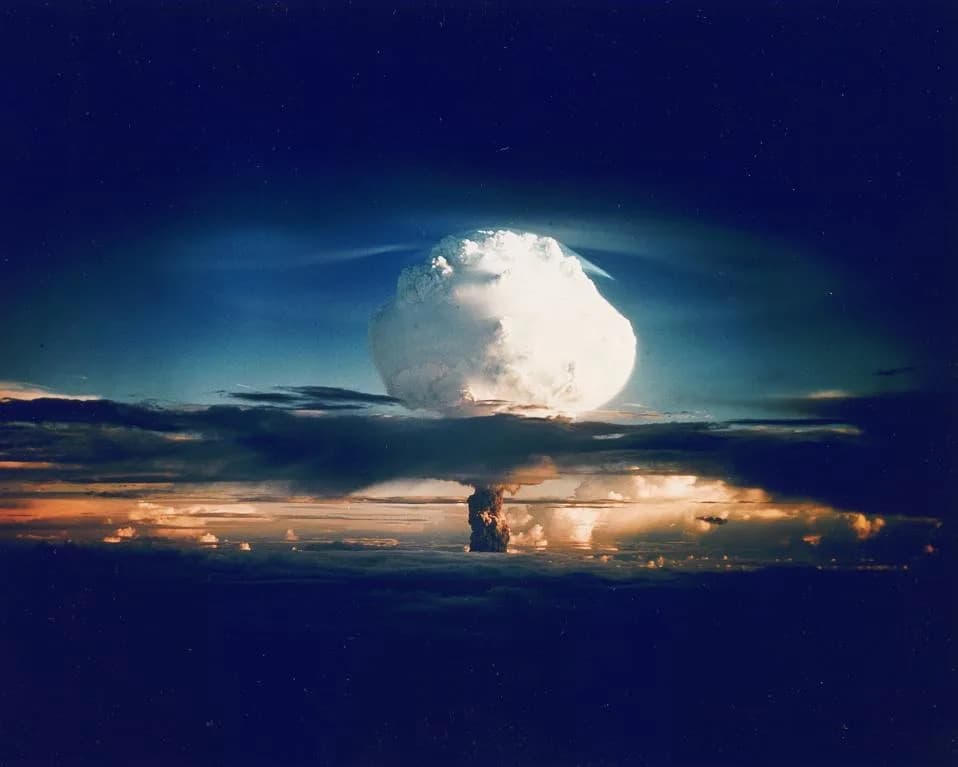
As Russia threatens nuclear strikes on Ukraine and its Western backers, potentially foreshadowing a doomsday war, leading American arms scholars say it's becoming urgent to rapidly abolish nuclear weapons worldwide to protect the globe's eight billion citizens. (Photo by © CORBIS/Corbis via Getty Images)Corbis via Getty Images
Leading U.S. arms scholars and climate-modeling scientists warn that recent nuclear threats tied to the Russia–Ukraine war have heightened the urgency of pursuing rapid, verifiable global disarmament to protect the world's eight billion people.
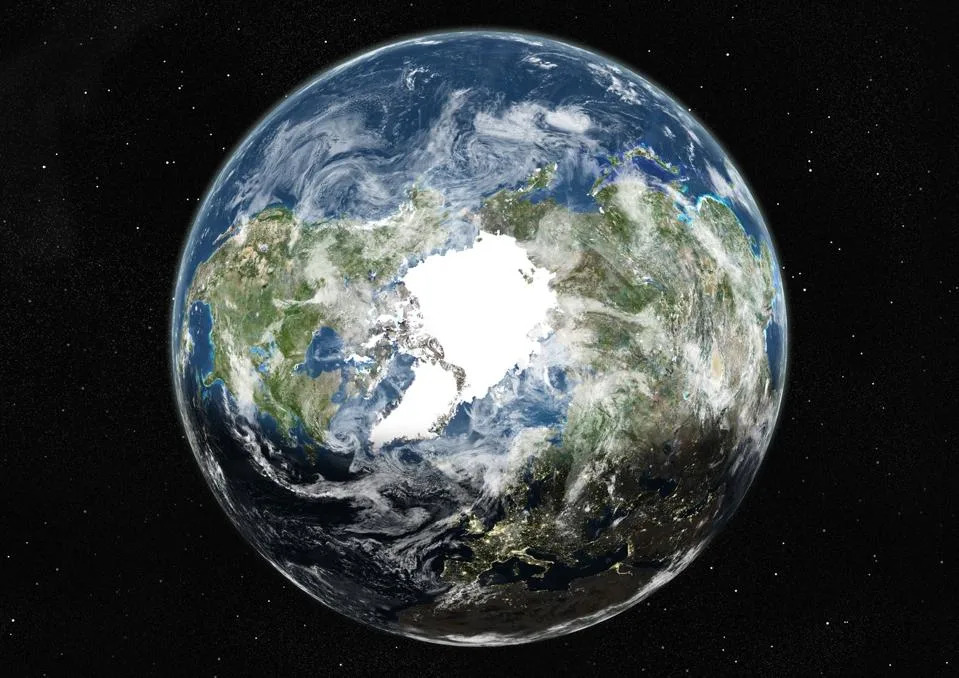
After a thermonuclear World War III, a nuclear winter would descend on the Earth, triggering massive starvation, say American scientists (Photo by Planet Observer/Universal Images Group via Getty Images)
Why Scientists Are Alarmed
Researchers using advanced computer simulations of intercontinental nuclear exchanges now predict that a full-scale ICBM exchange between Russia and the United States could cause tens of millions of immediate casualties and trigger a prolonged "nuclear winter" that would devastate agriculture across the Northern Hemisphere. Such a collapse of food systems could produce cascading famine and mass mortality over months and years.

Activists heading the International Campaign to Abolish Nuclear Weapons, which won the Nobel Peace Prize in 2017, along with the Vatican and leading American scholars are all urging universal adoption of the UN Treaty on the Prohibition of Nuclear Weapons and the rapid abolition of atomic arms worldwide. (Photo by Tobias Schwarz / AFP) (Photo by TOBIAS SCHWARZ/AFP via Getty Images)
Modeling The Consequences
Sharon Weiner, an expert on nuclear conflict and casualty forecasting affiliated with American University and a visiting scholar at Princeton University, says simulations her team calls "Plan A" modeled likely target sequences and real-world arsenals. Those simulations estimated more than 90 million people could be killed or injured in the opening hours of a large exchange.
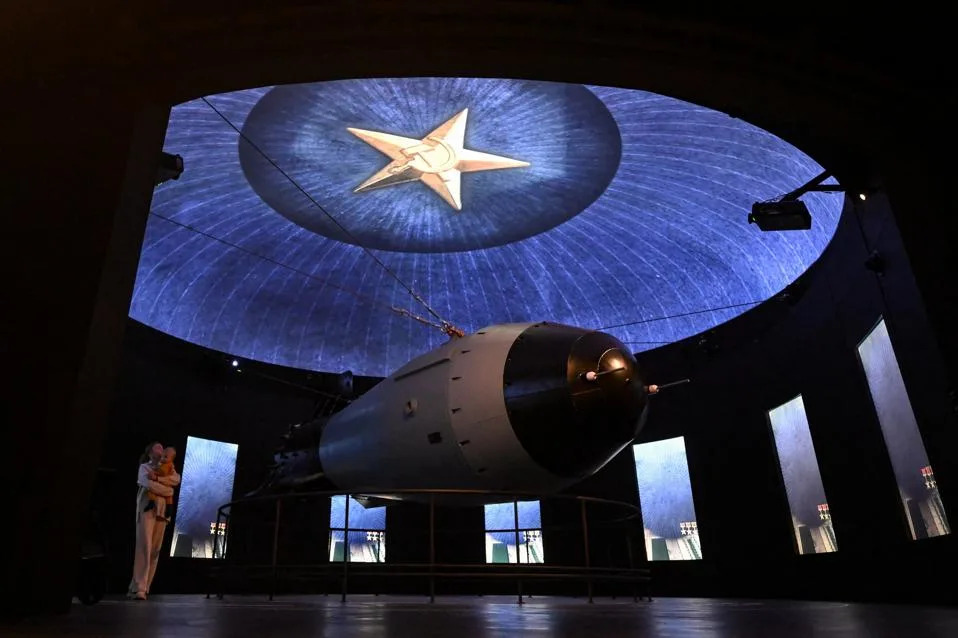
Russia's nuclear threats during its invasion of Ukraine could be raising the chances of a future nuclear clash between East and West. Shown here is the Soviet Tsar Bomb, the most powerful nuclear weapon ever created. (Photo by NATALIA KOLESNIKOVA/AFP via Getty Images)
Experts emphasize that prompt blast and radiation casualties are only the start. Massive urban firestorms would loft soot into the stratosphere, dimming sunlight for years and triggering catastrophic drops in crop yields, fisheries productivity and livestock support systems. The combined climate and ecological impacts would produce long-term food insecurity on a global scale.
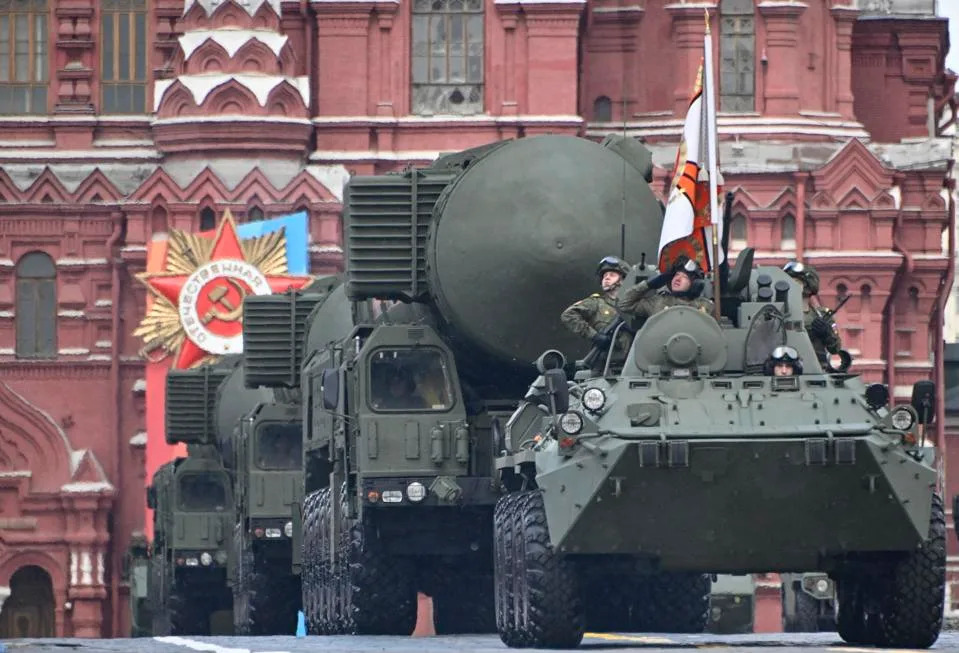
Russia, which holds the world's largest stockpile of nuclear weapons, has placed those weapons on alert since the start of its invasion of Ukraine, likely to intimidate the West. (Photo by ALEXANDER NEMENOV/AFP via Getty Images)
Worst-Case Scenarios
Researchers who studied a range of war sizes—including a modeled super-war involving roughly 4,400 100-kiloton warheads—estimate that detonations could inject on the order of 150 million tons of soot into the stratosphere. In that severe scenario, some modelers project as much as roughly 80% of humanity could die over an extended period, primarily from starvation and ecosystem collapse.
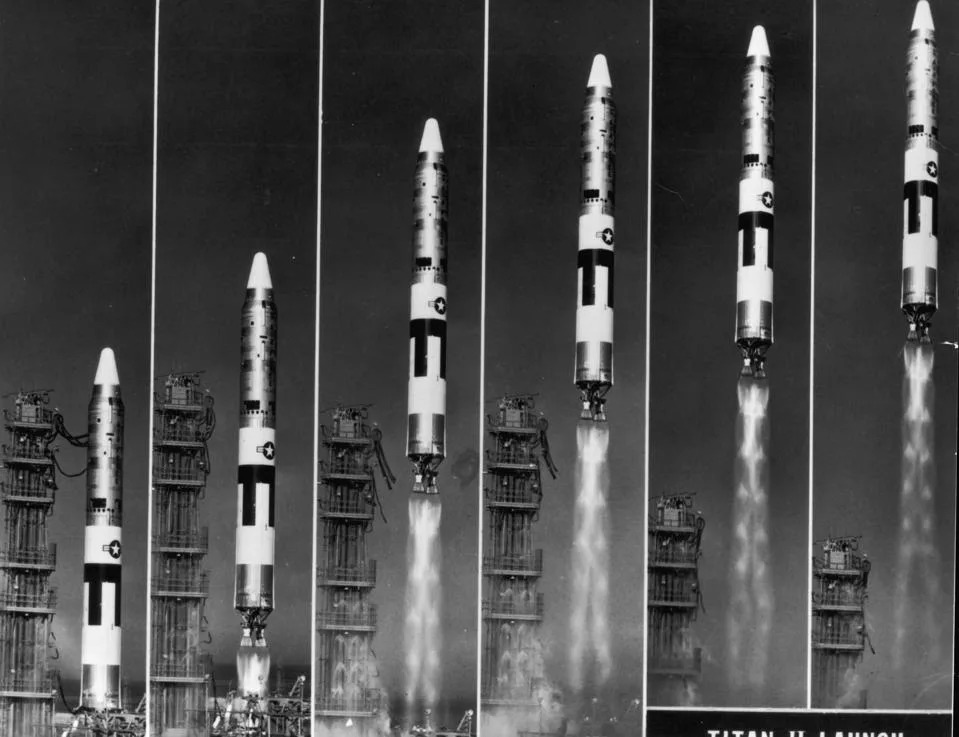
As long as any atomic warheads remain hidden away in subterranean silos, or deployed on bomber jets, or inside stealth submarines, Professor Weiner says, "The risk of nuclear war is not zero." Shown here is a sequence of photos depicting the launch of a Titan II ICBM from an underground silo. (Photo by Lambert/Getty Images)
Owen Brian Toon, a senior researcher at the Laboratory for Atmospheric and Space Physics at the University of Colorado Boulder, warns that a large intercontinental exchange could lead to an unprecedented global famine and societal collapse.
Policy Implications And Prevention
Both Weiner and Toon, along with other researchers and advocacy groups such as the International Campaign to Abolish Nuclear Weapons (ICAN), argue that only complete and verifiable abolition of nuclear arsenals can remove the existential risk of thermonuclear war. They urge global ratification and implementation of instruments such as the United Nations' Treaty on the Prohibition of Nuclear Weapons, alongside accelerated diplomatic efforts and safeguards to reduce hair-trigger launch postures and the chance of inadvertent escalation.
Scholars stress that risk reduction must include improved command-and-control safety, lower alert statuses, reciprocal verification mechanisms, and international cooperation to prevent proliferation. They also note that some countries—based on modeled agricultural impacts—would suffer far less disruption and might serve as relative refuges, but the humanitarian and geopolitical consequences of mass displacement would be profound.
Conclusion
The scientific projections are stark and intended as a clear call to action: the combination of modern nuclear arsenals and fragile global food systems creates an existential risk that, according to leading models, cannot be reliably managed by deterrence alone. Rapid, verifiable disarmament and strengthened international safeguards are presented as the only durable way to protect civilization from a potential thermonuclear catastrophe.
This article synthesizes reporting and peer-reviewed modeling studies on nuclear war impacts and climate-driven food system collapse. Original reporting appeared on Forbes.com.
Help us improve.