Instagram vowed to remove harassing pickup-line and prank videos filmed with Meta's Ray‑Ban AI glasses, and Meta says it has removed thousands of posts and blocked search terms such as "rizz". Yet a month after the announcement, an independent review found dozens of such clips still publicly available on Reels and other platforms. TikTok and YouTube removed some cross-posted videos after notification, but experts say enforcement is uneven and systemic platform incentives may be enabling the behavior. As Ray‑Ban AI glasses sales rise, Meta faces growing reputational and moderation challenges.
Instagram Pledged To Crack Down On 'Meta Glasses' Harassment — Dozens Of Videos Remain
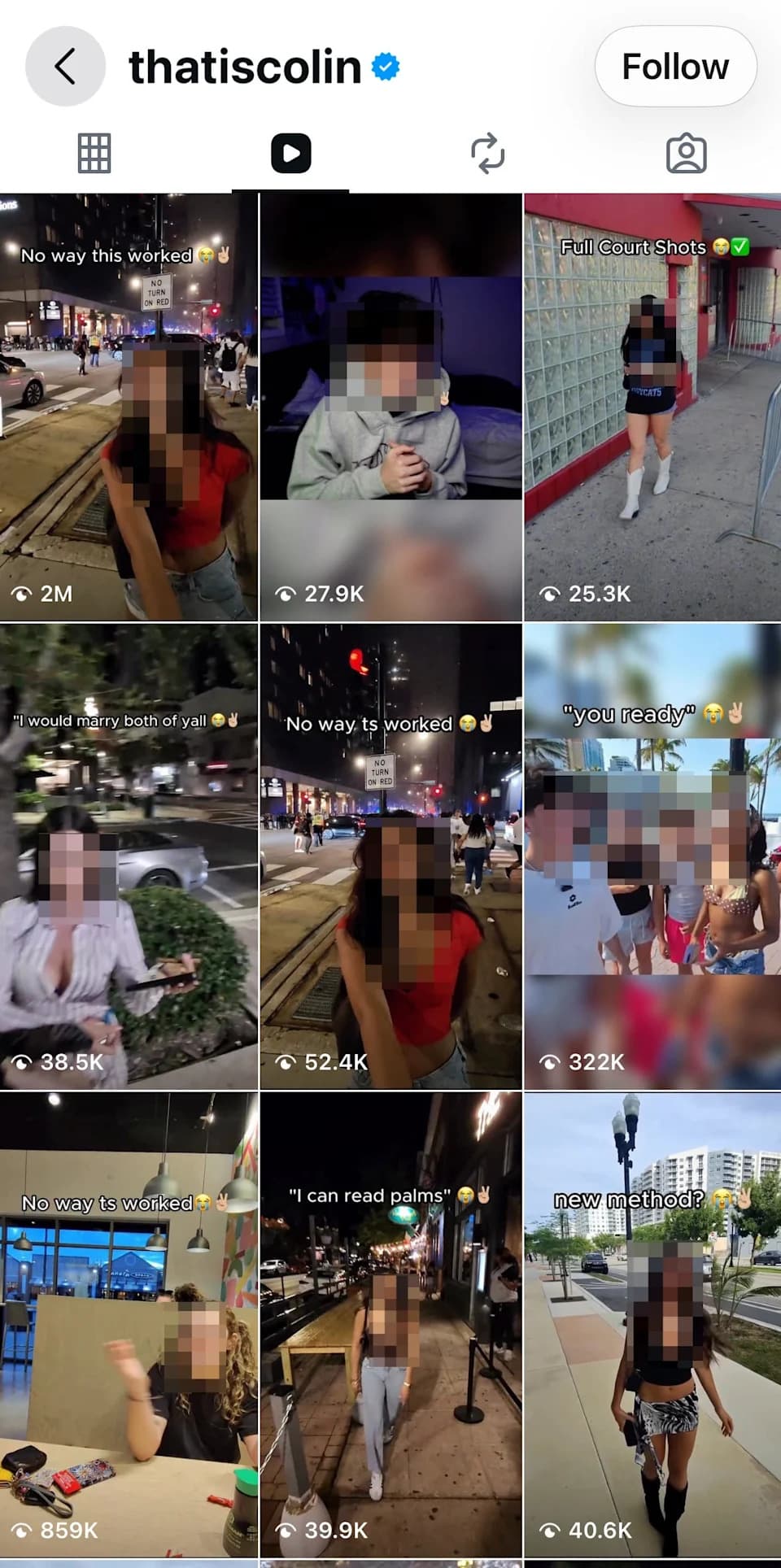
An Instagram account that does some pickup line content, including asking women on the sidewalk, "Are you a secret code? Because I'm trying to crack you."Instagram / @thatiscolin
Instagram promised to remove pickup-artist and prank videos shot with Meta's Ray‑Ban AI glasses after criticism that men were recording and posting interactions with strangers without consent. Meta says it has removed thousands of posts and blocked search terms tied to pickup culture, but a check in the month after the pledge found many such videos still publicly available on Reels and other platforms.
One widely shared clip shows a young man wearing Meta glasses approaching a woman on a sidewalk. He asks, "Are you a secret code?" and, as the glasses record, replies, "Because I'm trying to crack you." That video, created by content maker Colin Allen (@thatiscolin), was among dozens of similar posts from verified and popular accounts that remained live after Instagram chief Adam Mosseri said Meta would remove "harassing" pickup-line videos filmed with the glasses.
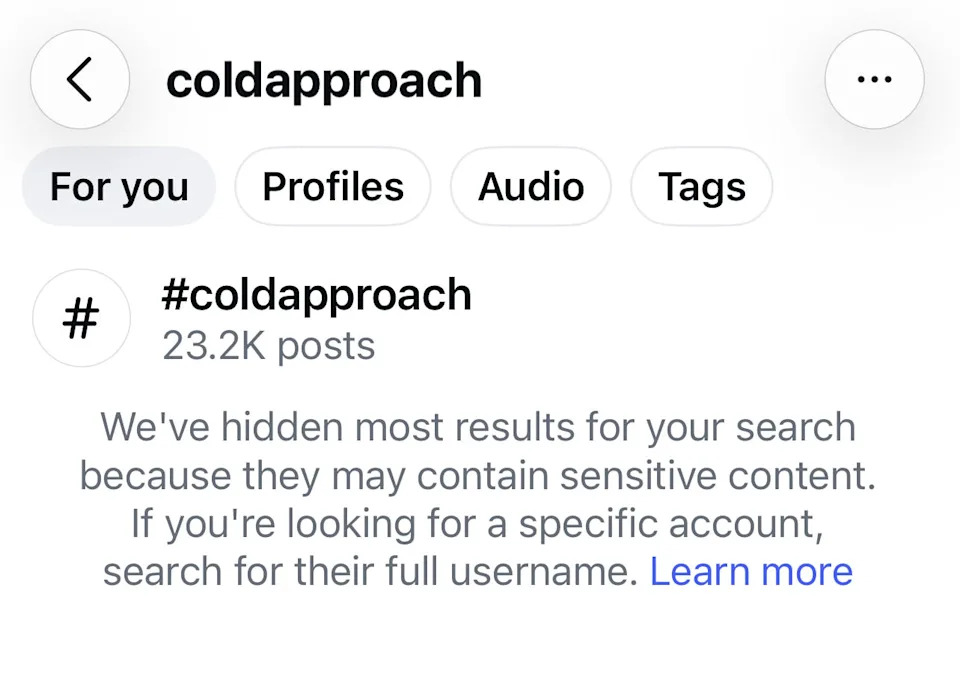
Meta's Instagram blocks the search terms for pickup artist content like "rizz" and "cold approach" (meaning to approach a stranger).Instagram / screenshot
What Meta Says It Did
Meta spokesperson Tracy Clayton told reporters that "thousands" of pieces of content were removed and that several large accounts were taken down under Meta's Community Standards on bullying and harassment, which prohibit sexualizing or sexually harassing other adults. Meta also said it has blocked search terms commonly used by pickup-artist communities — including "rizz" and "cold approach" — from Instagram search results.
What An Independent Review Found
Business Insider (the reporting referenced here) supplied Meta with more than 20 links to pickup and prank videos; the company removed the "secret code" clip and eight others after being alerted. Despite these removals and occasional account deactivations, many similar videos remained available a month after Mosseri's public remarks. In some cases, accounts that were deactivated were later restored after appeal.
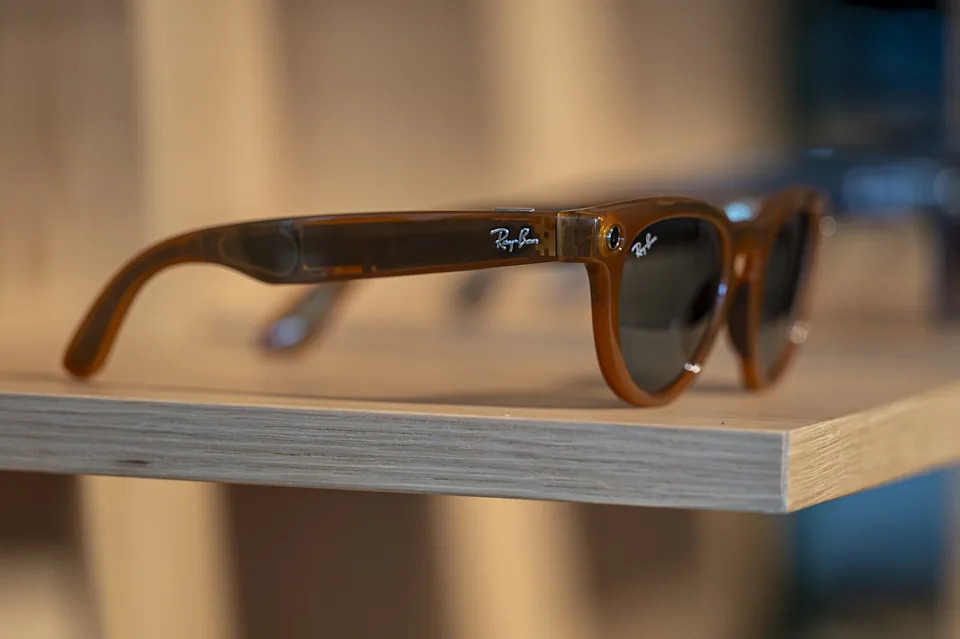
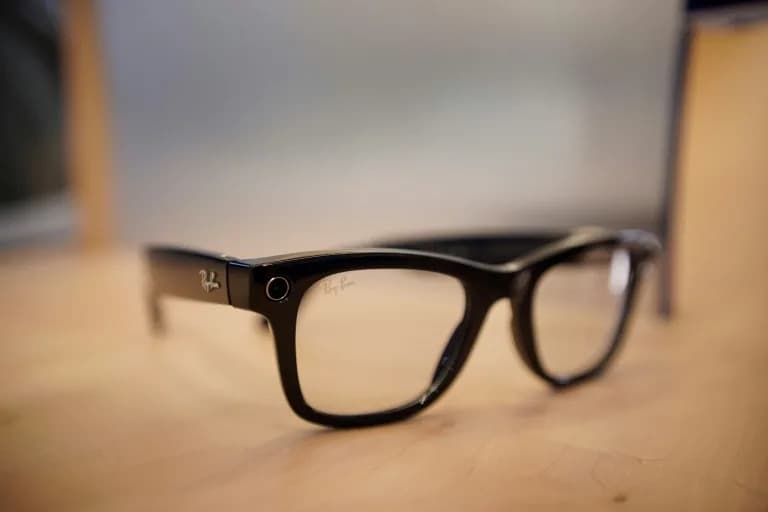
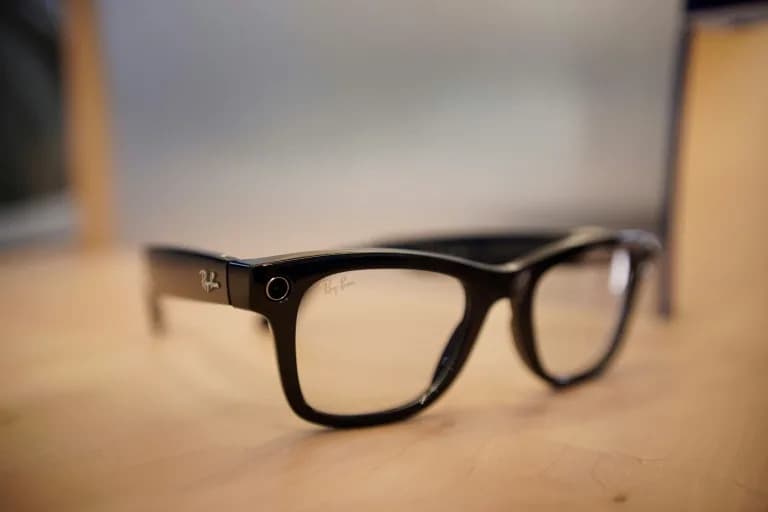
A pair of Meta's Ray-Ban AI glasses. Mark Zuckerberg said sales of Meta's AI glasses tripled last year and he believes they are "some of the fastest growing consumer electronics in history."Bloomberg/Getty Images
Platform Responses And Wider Context
TikTok and YouTube also removed some cross-posted clips after being notified: TikTok took down two of four provided examples, while YouTube removed "several" videos and disabled monetization for one channel. Experts say the issue is not limited to one platform and that structural platform incentives — like engagement-driven recommendations — can amplify problematic content quickly.
"We don't want people to be surreptitiously taking videos of other people and harassing them and then posting them on our platform," Adam Mosseri said in July. Yet enforcement has proven uneven, critics say.
Voices And Concerns
Carolina Are, a digital criminologist at the London School of Economics, argued that Meta too often frames the problem as isolated user behavior or enforcement errors rather than addressing systemic platform features that enable harassment. Sarah T. Roberts of UCLA noted that platform rules are sometimes vague enough to allow ad hoc enforcement shifts.
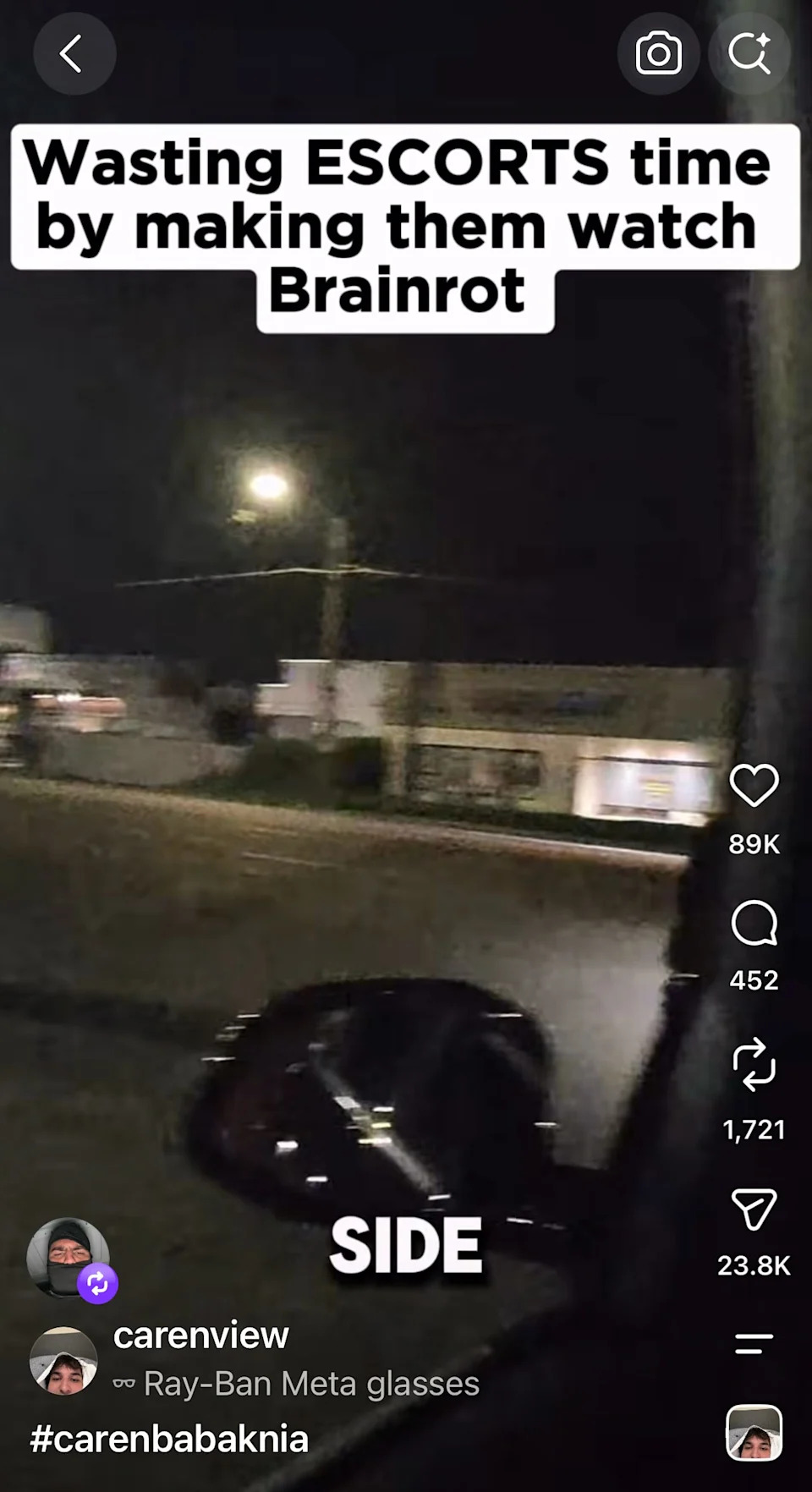
An account that posted multiple videos of paying women that appear to be sex workers to watch a video of memes and gambling ads on his laptop.Instagram / @carenview
Some creators who post this content have sizable followings. One creator cited in the reporting, Caren Babaknia, has roughly 174,000 followers and posts videos of street approaches while wearing Meta glasses. After one of his clips was flagged to Meta, his account was briefly deactivated and then restored following an appeal.
Why It Matters For Meta
The controversy also poses a reputational risk for Meta's hardware business. Ray‑Ban AI glasses have been one of the brighter spots for Meta's Reality Labs: company figures indicate sales exceeded 7 million units in 2025, more than triple the prior year. Meta is explicitly betting on AI to scale content moderation, with executives saying AI systems have, in early tests, flagged more violations and made fewer mistakes than human moderators. Whether that approach will deliver consistent, fair enforcement remains an open question.
As wearable camera sales grow and this content genre spreads across platforms, Instagram and other companies face mounting pressure to clarify enforcement, improve detection, and address the incentives that amplify harassing videos.
Help us improve.