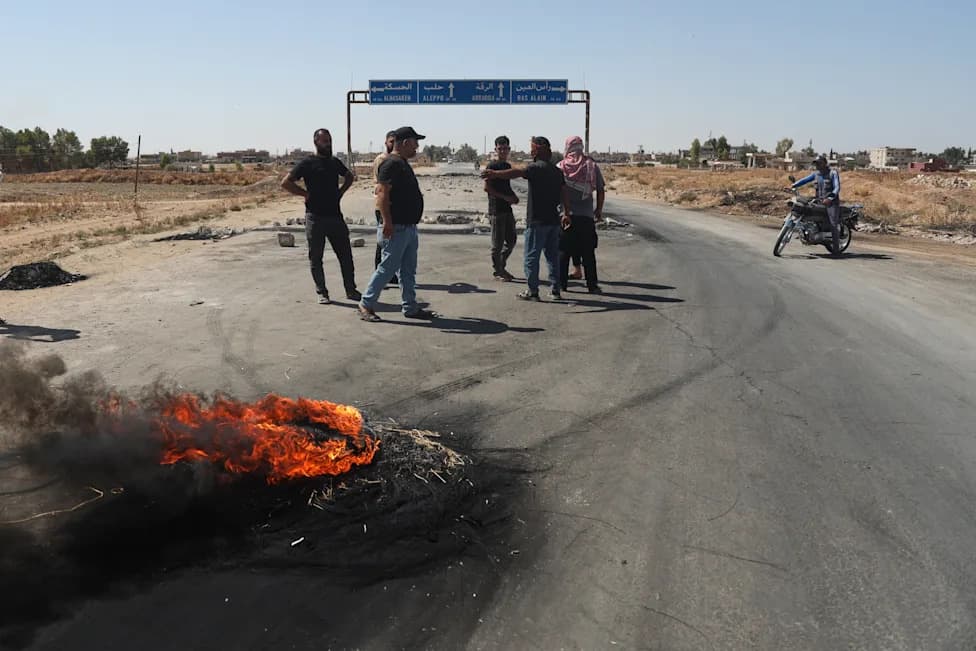
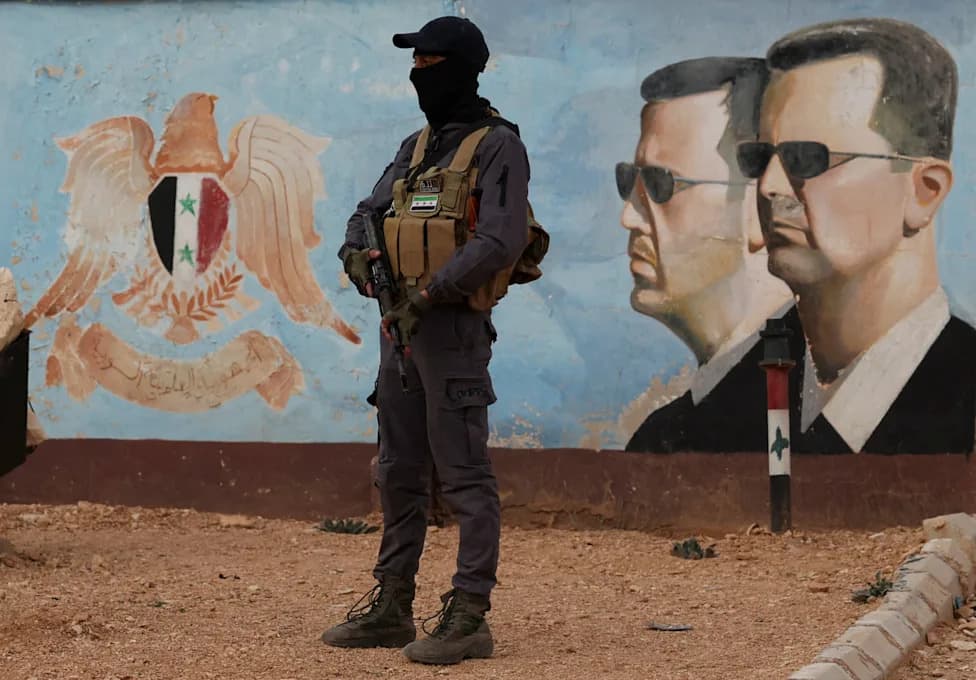
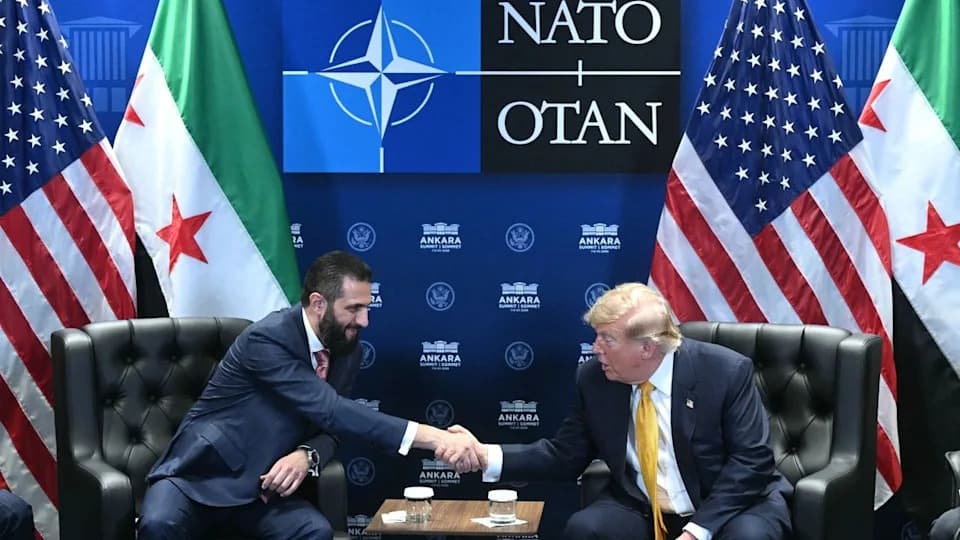
The death sentence for Bashar al-Assad, delivered in absentia by a court that included judge Fakhr al-Din al-Aryan, is widely seen as a symbolic break with decades of impunity. Experts say the verdict is politically and emotionally significant but represents only one element of transitional justice, which also requires truth, reparations and guarantees of non-recurrence. Concerns remain about trial standards, the unlikely prospect of extradition from Russia, and the need for more local prosecutions plus a national dialogue to heal deep social divisions.
What Assad's Death Sentence Signals About Syria's Future: Justice, Politics and the Road Ahead
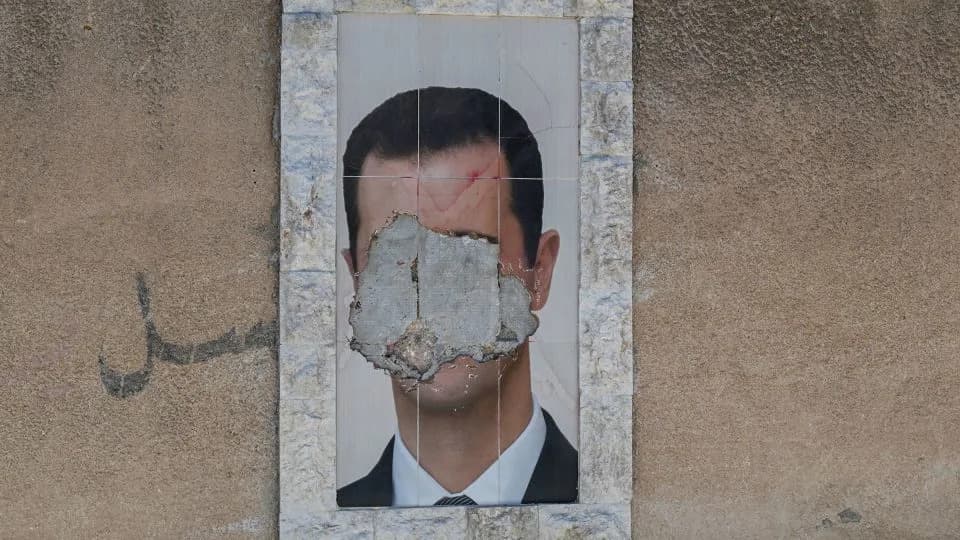
A defaced portrait of Syria's ousted president Bashar al-Assad hangs on a wall in the capital Damascus on June 2, 2025. - Louai Beshara/AFP/Getty Images
The death sentence handed down in absentia to former Syrian president Bashar al-Assad has been hailed by many Syrians as a symbolic break with decades of impunity, but it raises difficult questions about the rule of law, transitional justice and national reconciliation.
A Dramatic Irony
The judge who led the trial, Fakhr al-Din al-Aryan, defected from Syria's Ministry of Justice in 2013 and later joined opposition judicial bodies. He himself had once been sentenced to death in absentia by the regime he now judged, a reversal that many observers call starkly ironic and emblematic of Syria's upheaval since 2011.
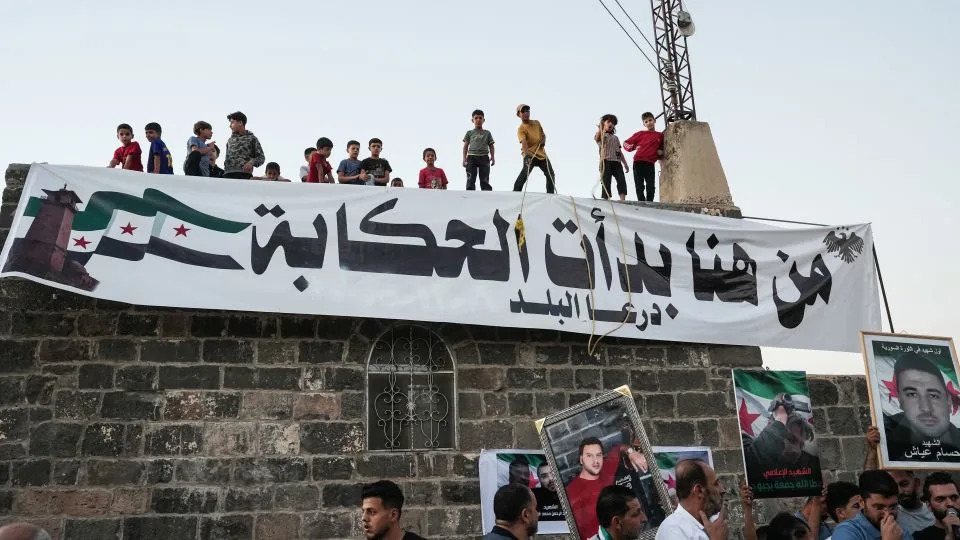
Syrians celebrate outside the Omari Mosque in the city of Daraa, the site where the Syrian revolution began in 2011, after a Syrian court sentenced ousted President Bashar al-Assad to death in absentia on August 11. - Moawia Atrash/dpa/Getty Images
What the Sentence Means
For many Syrians, the sentence represents a political and emotional milestone after years of brutal rule by both Bashar al-Assad and his father, Hafez al-Assad. Analysts say it breaks the model of blanket impunity, even if execution or extradition appears unlikely given Assad's self-imposed exile in Moscow and the political protections he enjoys there.
Transitional Justice: One Piece of a Larger Puzzle
Experts emphasize that criminal sentences are only one element of a larger transitional justice framework. The United Nations emphasizes four pillars: justice, truth, reparations and guarantees of non-recurrence. Observers and victims rights groups say Syria needs progress across all four to build legitimate and lasting accountability.
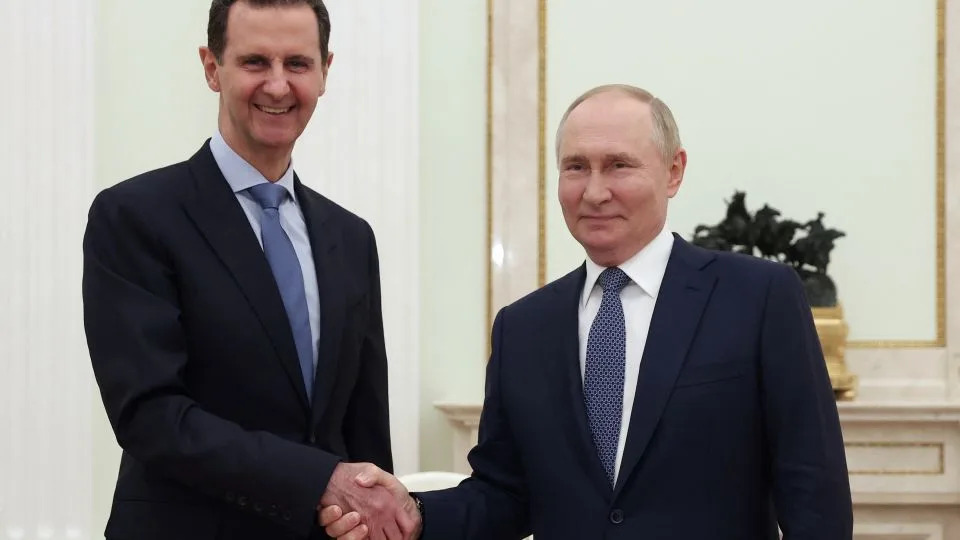
Russian President Vladimir Putin attends a meeting with Syrian President Bashar al-Assad at the Kremlin in Moscow, Russia, July 24, 2024. - Valeriy Sharifulin/Pool/Sputnik/Reuters
Ibrahim al-Assil, senior research fellow at the Harvard Kennedy School Middle East Initiative, called the verdict "politically and emotionally significant" while stressing it is only the first step in a longer process.
Concerns About Fairness and Legal Standards
Human rights groups, including Amnesty International, have urged Syria to stop trying people in absentia, abolish the death penalty, incorporate international crimes into domestic legislation, and reform the judiciary. Syria's justice ministry has defended the proceedings as compliant with national law and says victims and their representatives participated in the trial.
Fadel Abdul Ghany of the Syrian Network for Human Rights urged a broad approach: many more cases, especially targeting senior figures, are needed to reduce public anger and foster closure for families of the disappeared.
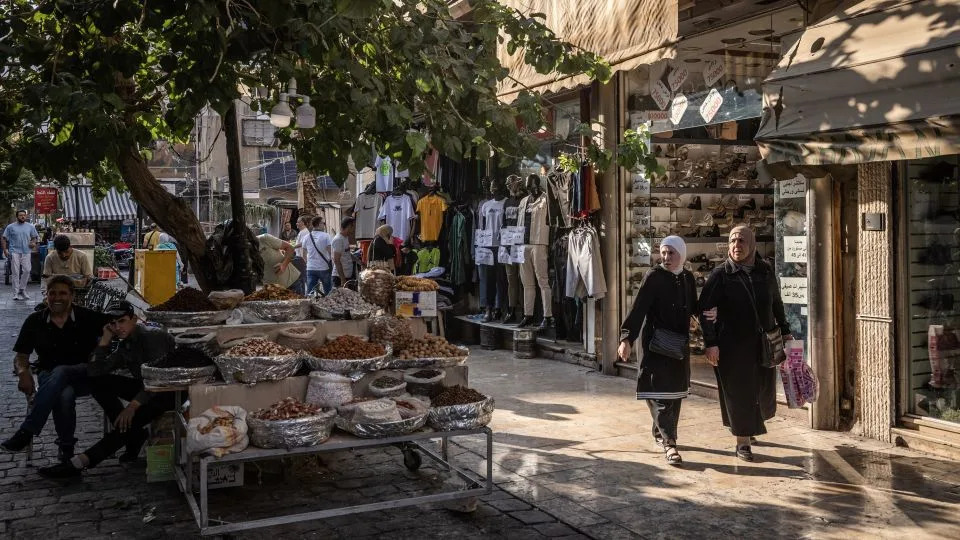
Shoppers walk down a market street on June 17, 2025 in Damascus, Syria. The country is taking major steps to revive its economy and reconnect to global markets. - Ed Ram/Getty Images
Geopolitics and Extradition
Analysts say extradition from Russia is improbable. The sentencing complicates any legal transfer under Russian law, but Moscow's decision would likely be political rather than purely legal, given Russia's long-standing support for Assad.
Signs Of Opening — And Deep Challenges
Since Assad left for Moscow, the new Syrian leadership under President Ahmed al-Sharaa has taken steps to restore international ties, including partial US sanctions relief and renewed engagement with Arab and European leaders. Al-Sharaa has also negotiated the return of some Russian military facilities to Syrian control, signaling a recalibration of foreign relations.
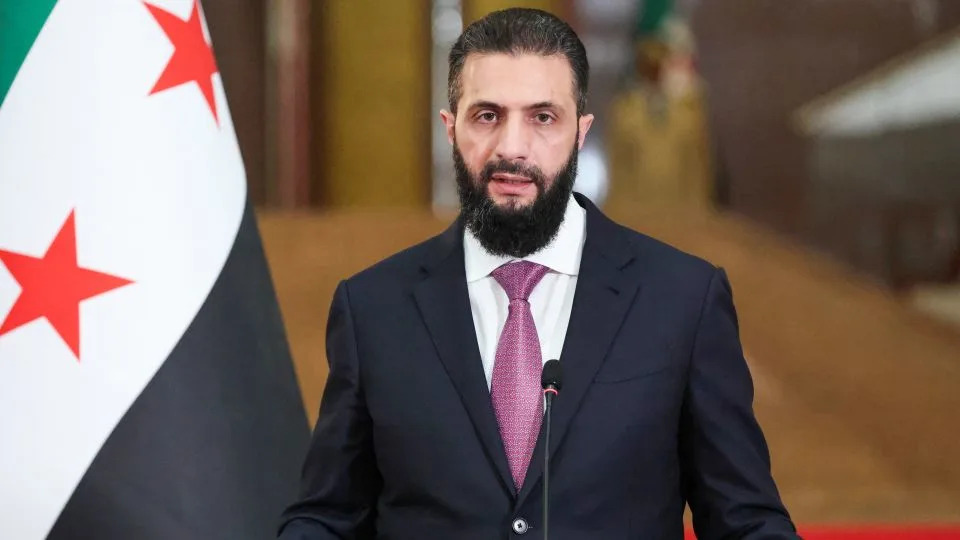
Syrian President Ahmed al-Sharaa speaks during a press conference with French President Emmanuel Macron in Damascus on July 7. - Ludovic Marin/AFP/Pool/Getty Images
Despite these moves, deep internal challenges remain. Violence and tensions persist between the Syrian Army and the Druze community in the south, between Arab and Kurdish communities in the northeast, and in incidents affecting the Alawite community on the coast. Analysts warn that many of these problems are treated primarily as security issues rather than social and political questions that require inclusive dialogue.
What Comes Next
Long-term stability will require a sustained transitional justice process that includes credible, localized trials, truth-seeking mechanisms, reparations for victims, judicial reform and an inclusive national dialogue about Syria's future. Without those elements, judicial verdicts alone may not resolve grievances or prevent recurrence of abuses.
Bottom line: The sentence is a landmark moment for accountability in Syria, but it is only a beginning. Political will, judicial reform and wide-ranging social reconciliation will determine whether this moment becomes the start of durable change.
Help us improve.