The article explores how women in US politics and professional life navigate the tensions between demanding careers and family planning. It highlights Representatives Sara Jacobs and Alexandria Ocasio-Cortez undergoing egg freezing, and White House Press Secretary Karoline Leavitt leaving her role to focus on her children. Experts and working mothers point to the lack of mandated paid parental leave and rising maternal ages as central factors shaping women's choices. The piece underscores the role of shared parenting, paid childcare and workplace flexibility in enabling careers and family life.
US Women in Politics Face Tough Choices: Egg Freezing, Family and Careers

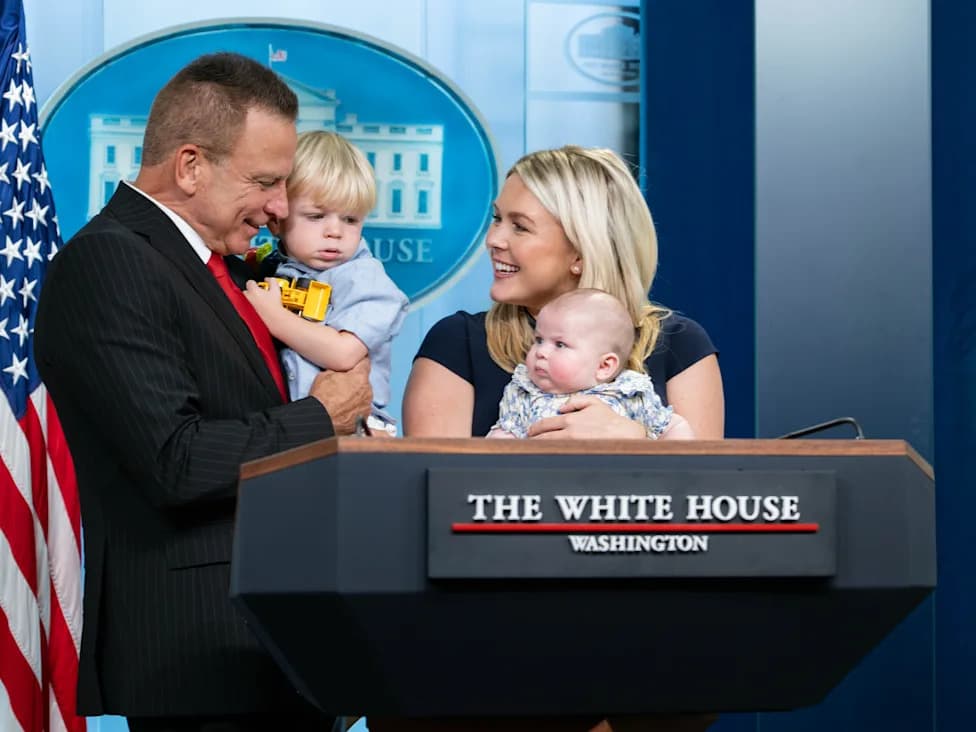
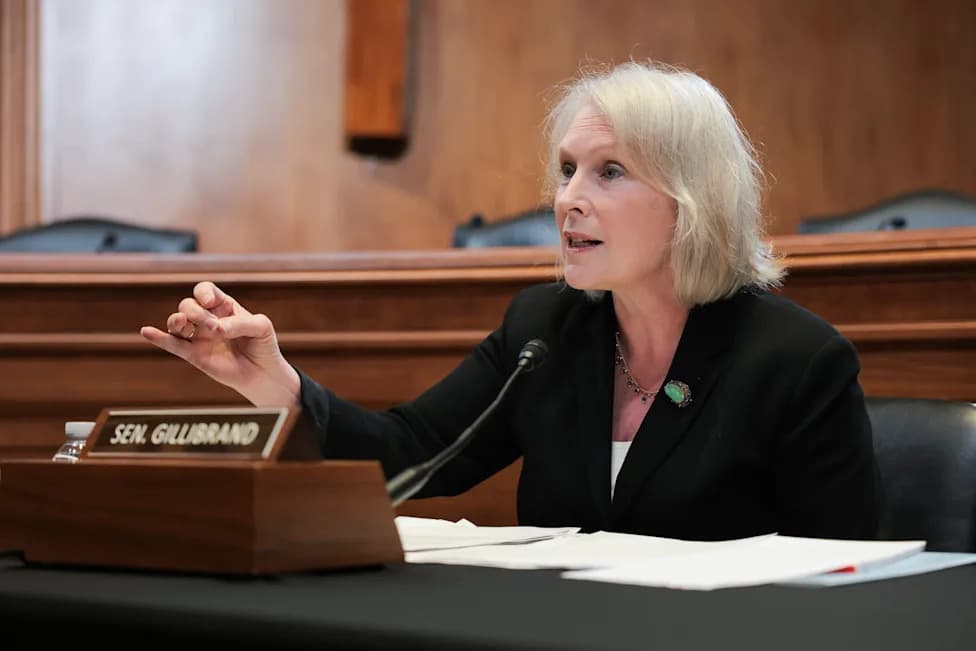
White House Press Secretary Karoline Leavitt and Congresswoman Alexandra Ocasio-Cortez have both spoken in recent days about balancing their careers with motherhood [Getty Images]
Last summer Representative Sara Jacobs would dash into her congressional office between votes to give herself hormone injections before returning to the House floor. The shots were part of a second round of egg freezing, a fertility procedure that allows women to preserve eggs for possible future use.
The 37-year-old described the choice as empowering because it gave her more control over timing, while acknowledging the process was physically and emotionally difficult. "Your body aches. Your hormones are all over the place. It felt like puberty and menopause happening at once," she said.
Public Figures Spark a Broader Conversation
Jacobs announced she began the egg-freezing process in 2021, when few colleagues in Congress were publicly discussing the procedure. This week Representative Alexandria Ocasio-Cortez said she had also started egg freezing and documented the daily routine of self-administering hormone injections on social media, helping to spark wider discussion about the pressures of combining motherhood with demanding public careers.
The debate coincided with White House Press Secretary Karoline Leavitt's decision to leave the Trump administration to spend more time with her family and infant. "Since returning to the White House after my daughter was born, I have realized in my heart that I cannot be the mother my two young children deserve while also devoting the constant time, energy and attention the job requires," Leavitt said.
Policy Gaps and Everyday Realities
Several professional women interviewed by the BBC described the persistent challenge of juggling a career and parenting in the United States — the only industrialized nation that does not require employers to provide paid parental leave. Fewer than a quarter of US workers have access to paid family leave through their employer, according to the Bureau of Labor Statistics, while more than 120 countries, including all European nations, offer paid maternity leave.
Demographic trends show women are having children later: a 2025 report from the US Centers for Disease Control and Prevention found the average age of mothers at childbirth rose from 28.7 in 2016 to 29.6 in 2023. Rising maternal ages, combined with career pressures and the high cost of fertility treatments, have contributed to changes in family planning choices.
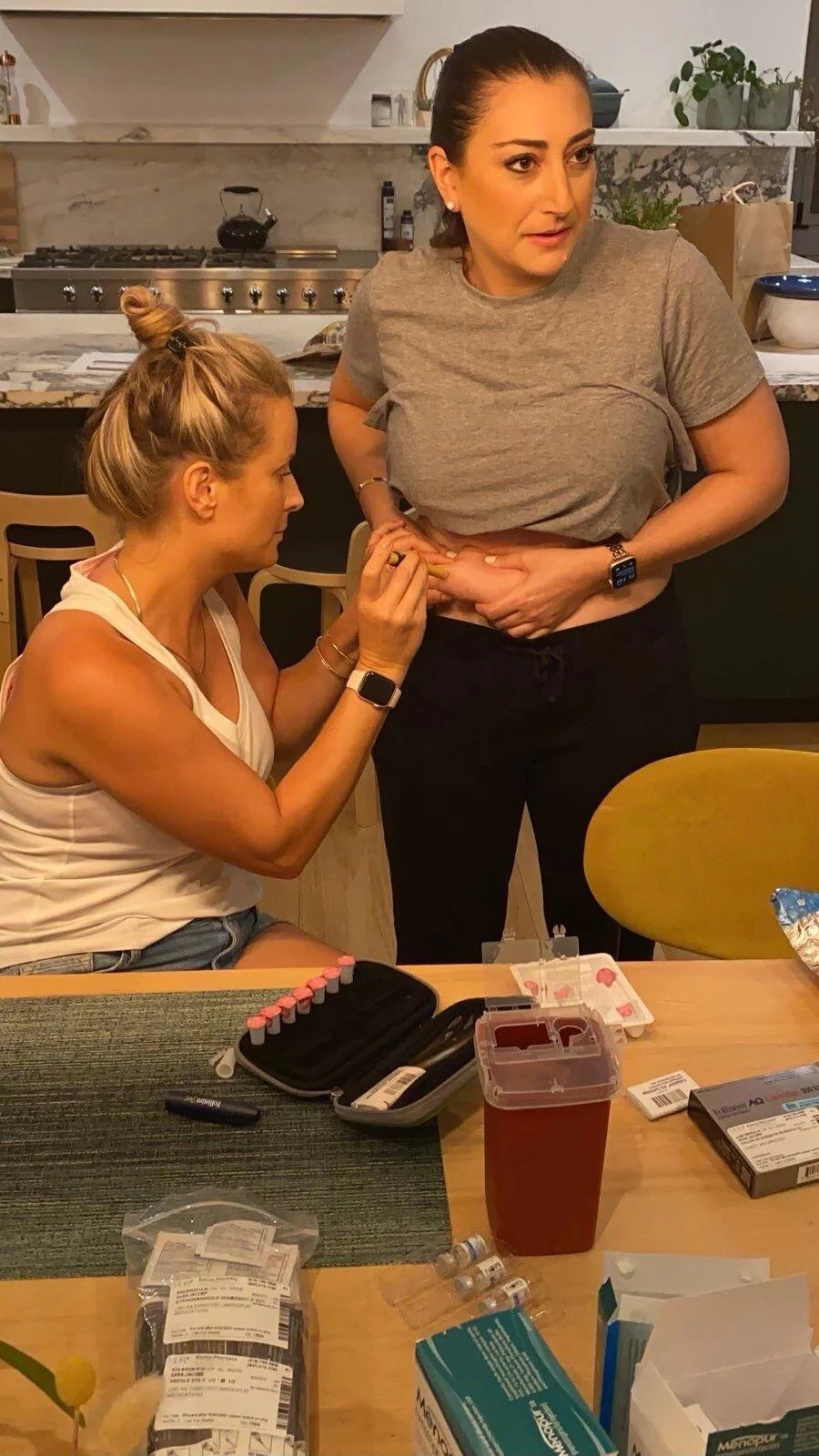
Congresswoman Sara Jacobs documented her journey freezing her eggs on social media [Supplied by Sara Jacobs]
Voices from Medicine, Law and Advocacy
Michele Heisler, a professor of internal medicine at the University of Michigan and medical director at Physicians for Human Rights, gave birth to her first child after returning to medical school at 30. She credits a mix of flexible scheduling, paid childcare and a partner who shares parenting responsibilities for allowing her to continue a demanding career: "If both partners are not clear equal parents, the child care burden inevitably falls on the woman and she will have to pull back in some way," she said.
Seema Patel, an associate professor of law at UC Law San Francisco and a former official in San Francisco's Office of Labor Standards Enforcement, said she often works late so she can preserve daytime hours with her children. Patel noted the local program she worked on was the first in the US to require employers to offer paid parental leave — yet many lower-wage workers still lack access to paid time off.
Patel recalled being advised early in her federal career to save vacation days for possible maternity leave — a practical step many workers still must take because of inadequate policy protections.
Workplace Design and the Road Ahead
Jacobs — who has completed two rounds of egg freezing — said she plans to postpone having children while her congressional duties require frequent travel between California and Washington. "Working out how to be a mom when I'm gone half the time across the country is logistically complicated," she said. She also noted that Congress, like many US employers, does not provide paid parental leave.
"Both Congress and the broader American workplace were built by and for men with stay-at-home spouses who handled domestic tasks. It will take substantial work to create a society where domestic duties are shared equally," Jacobs said.
For now, she takes comfort in having frozen eggs as a backup option until she decides the timing is right to expand her family.
Why this matters: The stories of women in public life illuminate broader structural gaps — from paid leave to childcare and workplace flexibility — that shape how millions of American women manage careers and family planning.
Help us improve.