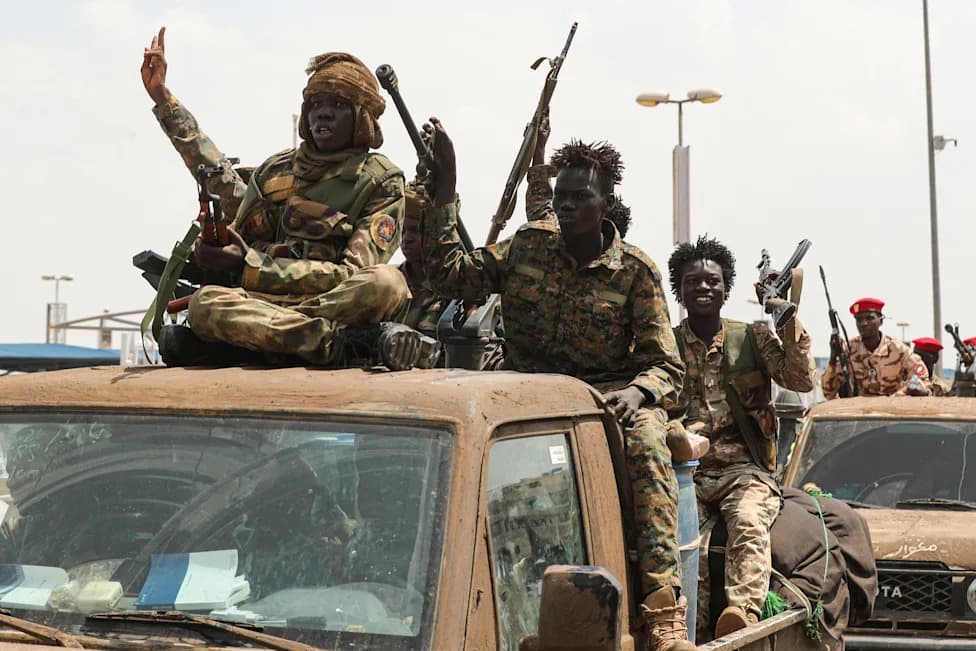
Yemen's tentative calm after a 2022 truce is threatened by renewed clashes between Iran-backed Houthi rebels and the Saudi-backed government. Strikes on Mokha port and military camps in Marib have killed soldiers and civilians, and stoked fears of new mass displacement. Marib — home to roughly 60% of Yemen's internally displaced people — remains a volatile frontline. Residents warn that further escalation could destroy livelihoods and force another wave of refugees.
Yemen on Edge: Civilians Fear Return to Full-Scale War After Houthis Strike Mokha and Marib
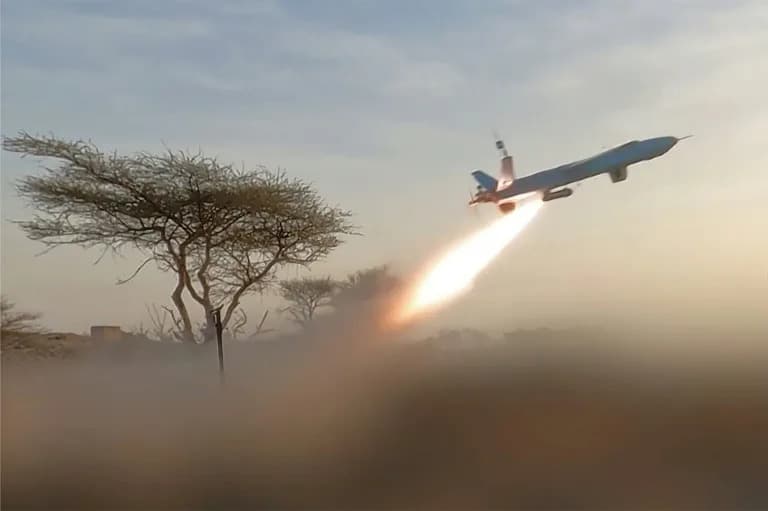
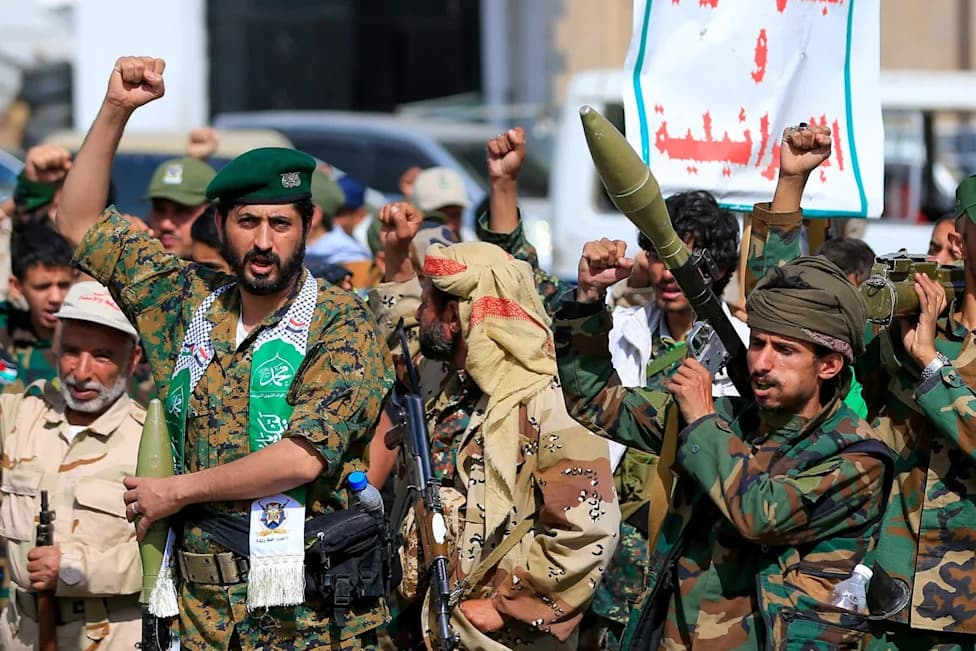
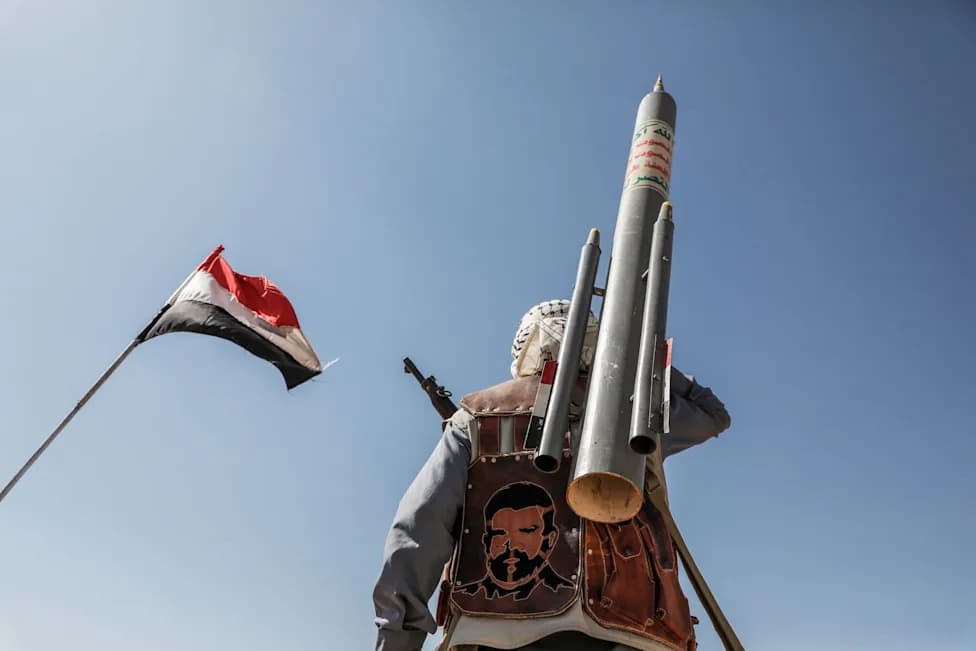
This screen grab taken from video footage released on August 9, 2026 by Ansarullah Media Centre shows a drone being launched towards what the Houthi authorities said were Saudi troop concentrations and weapons depots at Mokha port in western Yemen. (-)
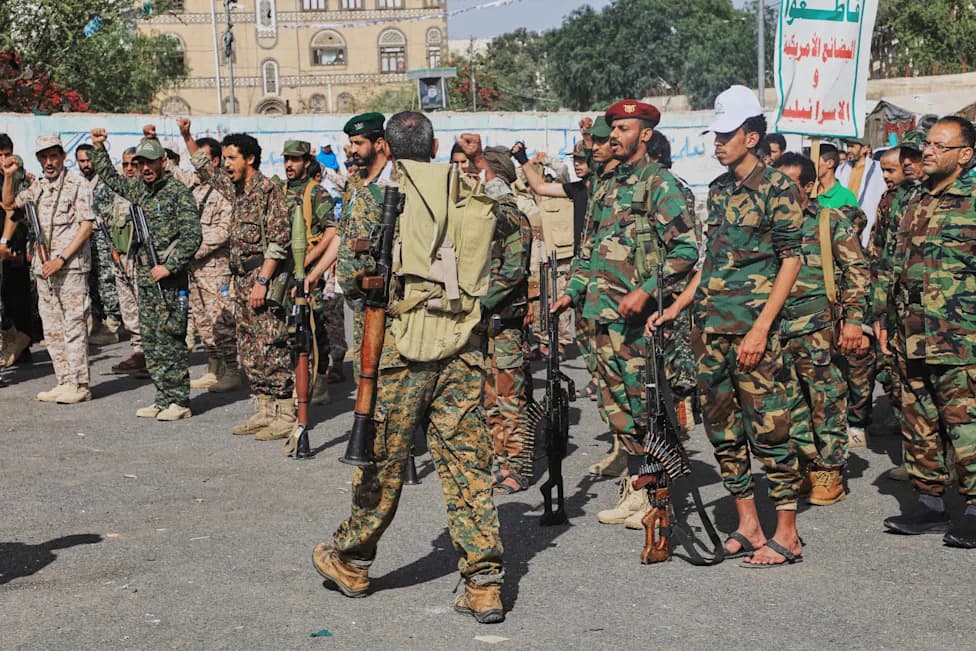
Yemen's fragile peace after a 2022 truce is under strain as renewed clashes between Iran-backed Houthi rebels and the Saudi-backed government have reignited fears of all-out war. Recent strikes on Mokha port and military positions in Marib have unnerved civilians and displaced families who had only recently begun to rebuild their lives.
Anwar, a father of two from Hodeida who sought refuge in the Red Sea port city of Mokha, recalled the panic when explosions rocked the port. "I do not want our lives to be haunted by constant panic caused by Houthi terror. Mokha used to be a safe city and a haven for many Yemenis," he told reporters.
"The hardest part is not fearing for my own safety, but fearing for my children and family," he said. His three-year-old daughter, born after the truce, ran to him during the blasts; he told her they were fireworks to spare her the truth.
Other residents described daily overflights of missiles and drones and distant shelling that could draw nearer at any moment. "Everyone lives in fear," said Najem Hammoud al-Wahbani, a Mokha resident.
'It Could Destroy Everything'
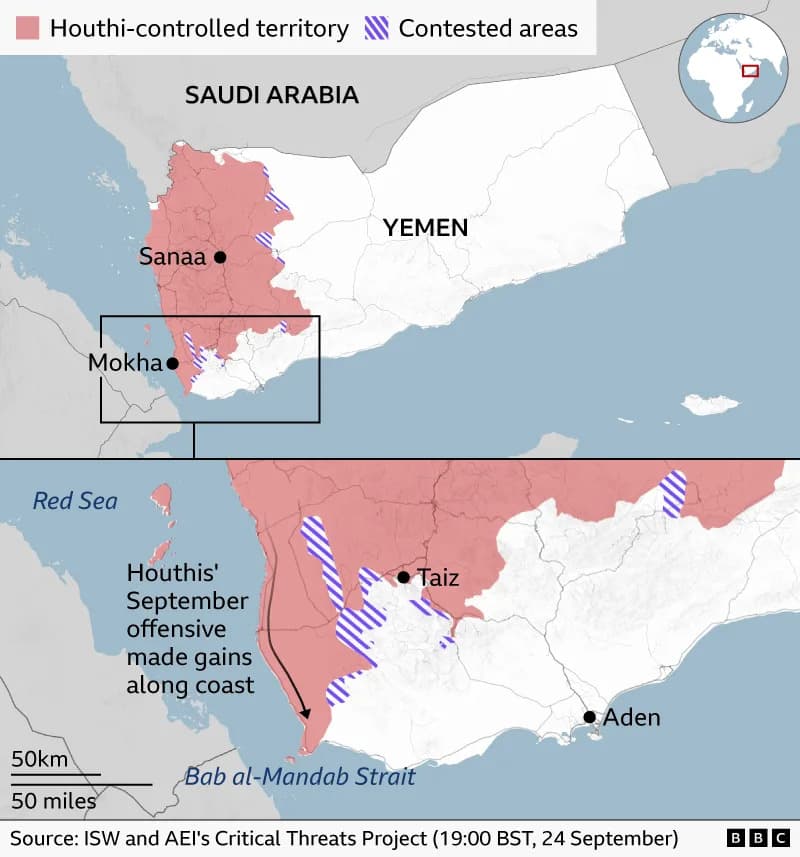
The escalation followed an Iranian plane landing in the Houthi-controlled capital, Sanaa, and a series of tit-for-tat strikes. The Houthis later announced a maritime blockade and attacked tankers in the Red Sea while mounting operations against government forces inside Yemen.
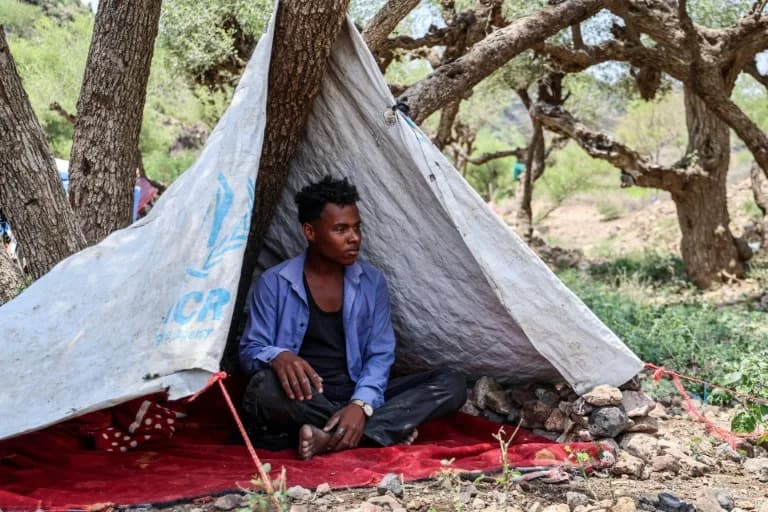
The government says it struck back after deadly attacks that hit military camps in central Marib province, the Mokha port on the Red Sea, and residential areas in Marib that host displaced people. Mohammed Ali, displaced from Hodeida to al-Khokha north of Mokha, said he is weighing moving his family east to Aden. "If fighting reaches Khokha, where I run a construction business, it could destroy everything, including my future and my children's future," he said.
Earlier this month the rebels carried out their deadliest assault in years, which a military source said killed 58 government troops, mainly in oil-rich Marib. Two civilians were also killed in Houthi shelling of residential areas and displacement camps in Marib.
'Where Would I Flee?'
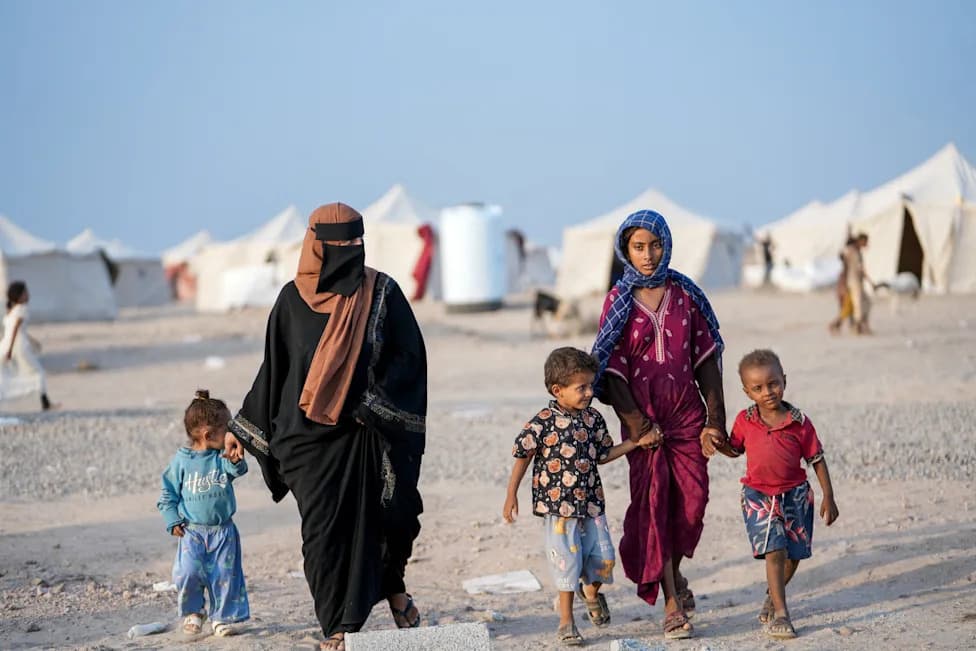
Marib is divided between government and Houthi control and has become a flashpoint for violence. According to the International Organization for Migration, the governorate hosts about 60 percent of Yemen's internally displaced people. Ali Munif, 46, who has lived in a displacement camp on the outskirts of Marib since his village fell to the rebels in 2021, asked: "If war returns to Marib, where would I flee?"
A woman living near one of the hit military camps said the blasts shook windows and doors "like a quake," reviving "fear, anxiety and despair" from the war's worst days. A charity worker quoted by reporters said she has struggled to sleep since the attacks: "We now live with the constant thought that we could become a target at any moment."
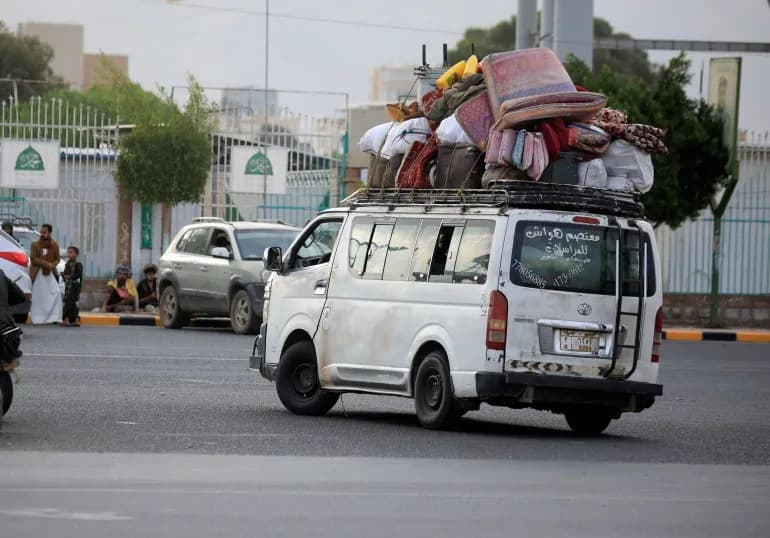
As tensions rise, residents and aid groups warn that renewed fighting could reverse fragile recovery, cause fresh waves of displacement, and worsen humanitarian needs in a country already battered by years of conflict and economic collapse.
Help us improve.